

It’s possible that Donald Trump and Ben Carson simply don’t understand what would trigger a brokered convention to nominate the Republican Party’s 2016 presidential candidate.
Recommended Stories

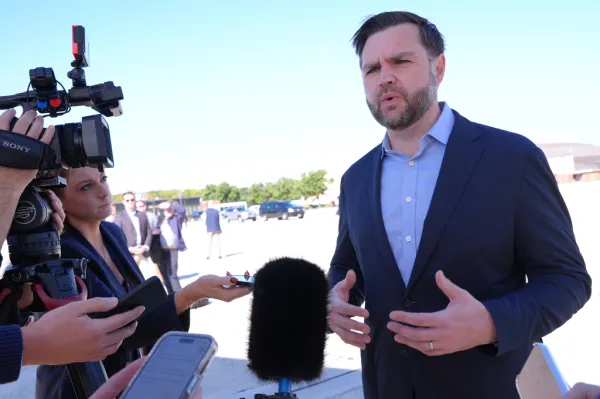
The two political outsiders have responded to news that the Republican National Committee is preparing for the small possibility of a brokered convention as proof that the party establishment is moving to usurp the will of GOP primary voters and deny them the nomination. They’re threatening to bolt the GOP and run third party should that happen, a move that would complicate the Republican nominee’s chances against likely Democratic presidential nominee Hillary Clinton.
“If that’s the case, I’m out of here,” Carson, a retired pediatric neurosurgeon and first time political candidate said Sunday on ABC’s “This Week.”
There’s just one problem with Carson’s (and Trump’s) theory on brokered conventions: Sour grapes over the primary by the so-called GOP establishment isn’t sufficient grounds to disregard the voters’ choice and throw the nomination into the hands of the 2,472 delegates to the Republican Party’s quadrennial presidential nominating convention.
A brokered nomination, or one in which delegates would select the Republicans’ 2016 nominee through a vote on the convention floor in Cleveland, would ensue only if the leading GOP candidate failed to win a simple majority of 2,472 delegates by the time the final state primary contests complete in June of next year. Businesswoman Carly Fiorina, the other political outsider in the GOP contest, didn’t have any problem understanding this concept.
“I don’t actually understand quite the point that Dr. Carson is making,” Fiorina said last week during an interview with conservative talk show host Hugh Hewitt. “Nobody in the party determines whether or not there’s a brokered convention. The voters are going to determine whether there’s a brokered convention. I mean, if someone goes into the, if no one goes into the convention with enough votes to be declared the winner, then it is a brokered convention. So you could make the case that a brokered convention does reflect the will of the people.”
The term “brokered” is used because, under certain rules and depending on the state, convention delegates are free to support any Republican candidate of their choice placed in nomination at the convention, and whom they vote for be be the result of much negotiation and horse trading that possibly involves a deal over who to nominate for vice president.
Although Republican voters determine their presidential nominee by voting in caucuses and primaries, it’s not a done deal until ratified by delegates in a state-by-state vote on the convention floor.
Partly as a result of rules changes implemented by the Republican National Committee four years ago, most delegates are bound to the candidate who wins the primary or caucus in their state. That means they can’t support another GOP presidential candidate at the convention just because they don’t personally support the one that won their state. This rule is meant to ensure that the Republican popularly nominated by GOP voters is nominated at the convention.
In the event of a brokered convention, delegates would be bound to the candidate that won their state on the first ballot. There are a select number of “unbound” delegates that are free to support the candidate of their choice whether or not he or she won their state. Depending on where the delegate count stood, it’s possible that unbound delegates could swing the nomination to one of the contenders on the first ballot.
If not, delegates would vote again; they vote as many times as it takes to crown a nominee. Depending on the rules governing delegates as determined by the Republican Party of each state, the second ballot would be the first ballot in which an entire state’s delegate slate is released from supporting the candidate that won their state and allowed to back another candidate.
There is one caveat to these rules to keep in mind.
Every four years, the RNC convention rules committee meets during the week before the convention to establish the parliamentary rules that will govern the event. So, it’s possible that new rules could be passed to establish how the selection of a nominee will occur during a brokered convention that are not currently on the books. These rules must be voted on publicly and then ratified by delegates to the convention once it gets underway.
