

With the District already in one of the nation’s worst cities for traffic gridlock, staying put may be the best course of action during a disaster, according to the D.C. Homeland Security Emergency Management Agency.
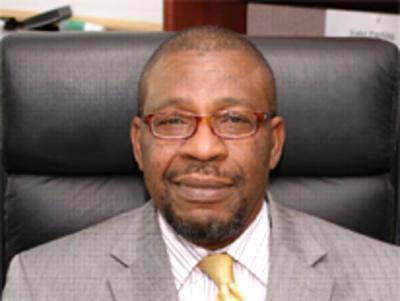
“It is imperative to educate the public about staying in place in shelters as an alternative,” District Department of Transportation Director Terry Bellamy testified Thursday morning at a D.C. Council hearing on emergency preparedness. The hearing addressed the city’s plan of action during emergencies such as the recent earthquake, hurricane and last winter’s snowstorm.
Recommended Stories
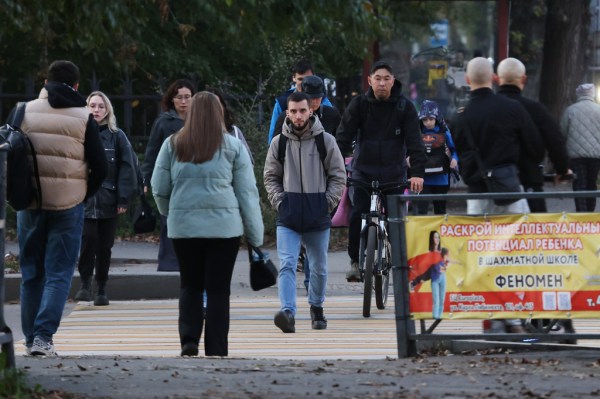


Bellamy said that in the case of an emergency, those who work in the District make a simultaneous rush for the roadways, causing mass gridlock. He stressed that individuals should remain in the city as long as possible to alleviate the crunch, as well as making their own emergency plans.
“With an emergency plan, you can survive pretty much by staying in place,” Bellamy said.
HSEMA Director Millicent West said that the agency is currently working with hotels, restaurants and even Events D.C. to accommodate those who would stay in the District.
“We can have a ‘stay in town party’ so that the District Department of Transportation can do what they [need to] do,” West said.
Still, evidence from last winter’s gridlock during the snowstorm indicates that workers and residents of the District may not heed HSEMA’s instruction. West said that on Jan. 26, her agency sent out emails to government and private sector businesses advising workers to leave at noon. However, because the weather was fine that afternoon, most kept working. It wasn’t until 3 p.m. when sleet, snow and colder temperatures arrived, that the mass exodus occurred.
Even a decade after the 9/11 terrorist attacks, gridlock caused by natural disasters or terrorist threat has not improved. D.C. Councilman Phil Mendelson deeply criticized HSEMA for its lack of improvement as well as failure to communicate effectively.
“I emailed you about the earthquake and you got back to me, easily a day later,” Mendelson said to West. “Your first message alert for the earthquake wasn’t until a half-hour after it happened” he said. West said her agency has now acknowledged the delay in communication.
Bellamy testified that it is difficult to simplify decision making in disasters because of the various jurisdictions within the District.
“”I don’t believe there’s anything that this council can do or even Congress can do because there are separate jurisdictions,” Bellamy said.
