
Tensions between Shia and Sunni Muslims are likely to give groups such as the Islamic State of Iraq and Syria room to operate even as the threat from Islamist extremism spreads out and becomes more technologically sophisticated, according to a new report.
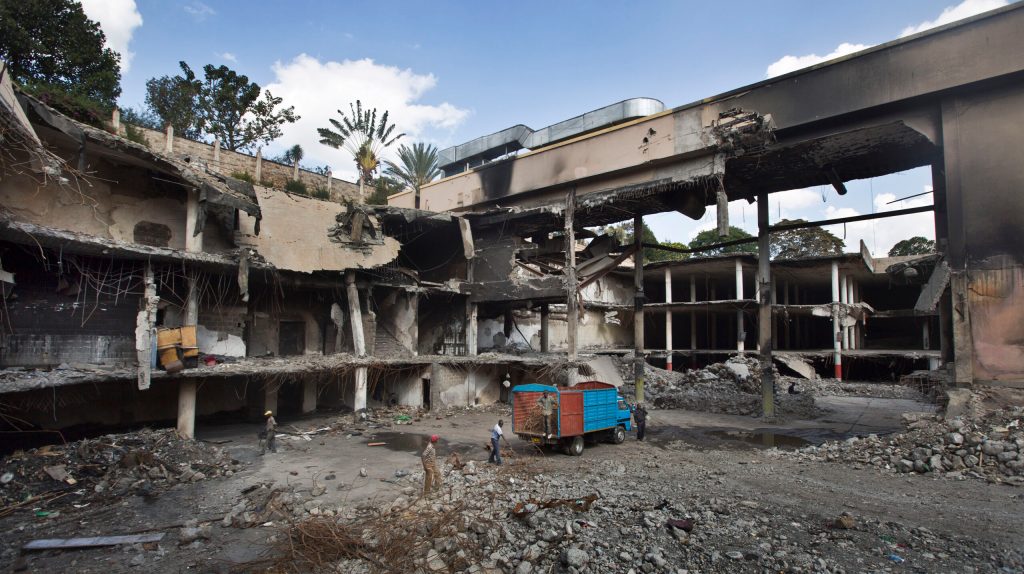
The report by the Bipartisan Policy Center released Tuesday found that even as the threat from the main al Qaeda group that launched the Sept. 11 attacks has diminished, the presence of that group and its allies has stretched from nine to 16 countries since 2008. It also notes that even weakened extremist groups have been able to pull off attacks, such as the Westgate Mall assault in Nairobi a year ago by the Somali group al Shabab.
Recommended Stories

The report also notes that homegrown extremists remain a threat, and there are emerging threats from new technologies, such as cyberterrorism and the use of social media to recruit potential terrorists, as well as the persistent desire of extremists to gain control of chemical, biological or nuclear weapons.
“In this changed environment, the United States must begin to address a number of questions regarding the sustainability of its counterterrorism efforts,” including the breakdown of trust from the scandal over the National Security Agency’s data-collection programs and the proliferation of drone technology to the point where terrorist groups have been known to use them, wrote the report’s authors: terrorism analyst Peter Bergen and researchers Emily Schneider, David Sterman, Bailey Cahall and Tim Maurer from the New America Foundation.
The Sunni-Shia split is one of the “future wild cards” listed in the report, which notes that sectarian violence has spread from Syria and Iraq into Egypt and rekindled tensions in Lebanon. Sectarian violence also has soared in South Asia over the past few years, the report said.
As a result, some Sunni nations and groups have tolerated or supported extremist groups as a counterweight to what they see as a greater threat: Shia-led Iran.
“Saudi Arabia and Qatar have mobilized their deep coffers to support extremist Sunni groups in the past and will continue to do so as long as it means they are able to counterbalance Iran and its support for Shia regimes and militant groups. This use of regional proxies has existed across the region for decades and will likely continue, exacerbating the Shia-Sunni divide,” the report said.
Meanwhile, social media is playing a role in attracting foreign fighters to the Syria conflict, the report said, at what U.S. authorities call “unprecedented” numbers.
“If Vietnam was the first war to be covered by television, and the Gulf War was the first war carried live by cable news, in many ways Syria is the first social media war — where the conflict is largely documented on YouTube, Facebook and Twitter.”
And that’s not the only technological advance that may fuel the growth of the threat from extremism. The report notes that one of the main U.S. tools against extremists — drone strikes — may not only be used by other countries against their own enemies, but also are being adopted by the extremists themselves.
Iran’s semi-official Fars News Agency reported Sunday that the Shiite extremist group Hezbollah had killed “tens” of fighters from the al Qaeda-allied al-Nusra Front in a drone attack at the Lebanese-Syrian border.
“Going forward, the United States will have to craft a strategy that accommodates the risks posed by these new technologies, without overhyping the threats they pose,” the report said.