

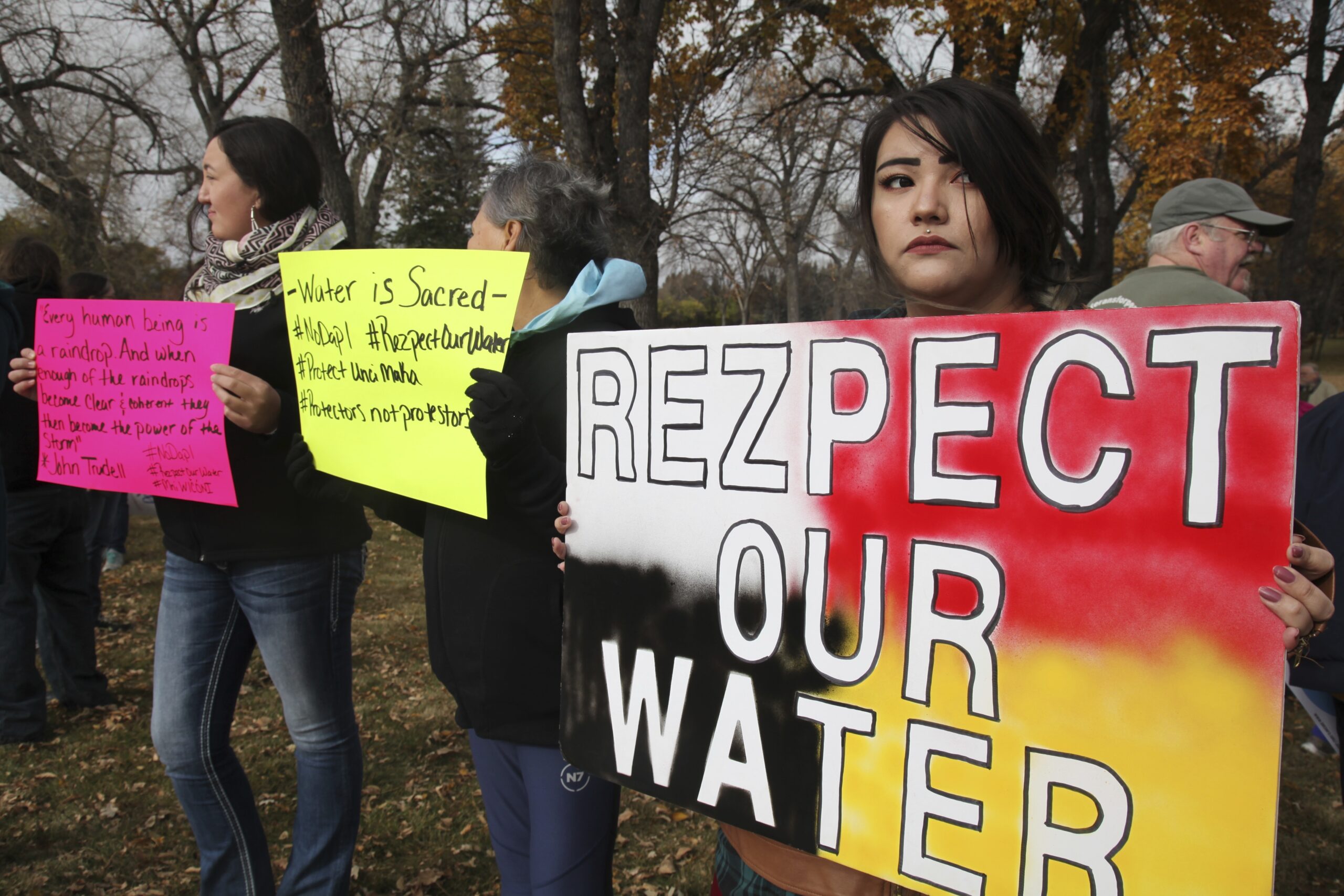
Protesters are urging Facebook users to create a virtual smokescreen to prevent local law enforcement from targeting activists trying to block the controversial Dakota Access oil pipeline in North Dakota.
The Standing Rock Sioux Tribe and others protesting the project are asking any and all Facebook users to check in at the Standing Rock Indian reservation’s social media page. The protesters said by checking in at the reservation, social media users will be helping to thwart local law enforcement from breaking up the protesters assembling at prayer camps to block the pipeline.
Recommended Stories


The protesters said the local sheriff’s department is using Facebook to track their movements, and by getting more people to check in at the site, they can effectively keep the protesters hidden.
A Facebook post by the protesters provided the most detail on the thinking behind the social media strategy.
“The Morton County Sheriff’s Department has been using Facebook check-ins to find out who is at Standing Rock in order to target them in attempts to disrupt the prayer camps,” activists said on Facebook. “So water protectors are calling on everyone to check in at Standing Rock, North Dakota, to overwhelm and confuse them.”
The call led to hundreds of thousands of users from around the country to flood the reservation’s Facebook webpage with check-ins.
The Morton County Sheriff’s office said it hasn’t attempted to track individuals through social media, calling the protesters’ claim a “rumor” that is “absolutely false.”
The protesters said by taking action through social media, Facebook users can help “protect people putting their bodies and well-beings on the line that we can do without leaving our homes.”
Protests over the pipeline intensified in recent weeks with a federal appeals court denying the Sioux’s request to bar the pipeline’s construction over concerns it will harm the tribe’s water supply.
The Obama administration has stepped in to hold up the project’s construction by delaying a key easement, which will allow developers to finish the nearly 1,200-mile long oil pipeline.
