

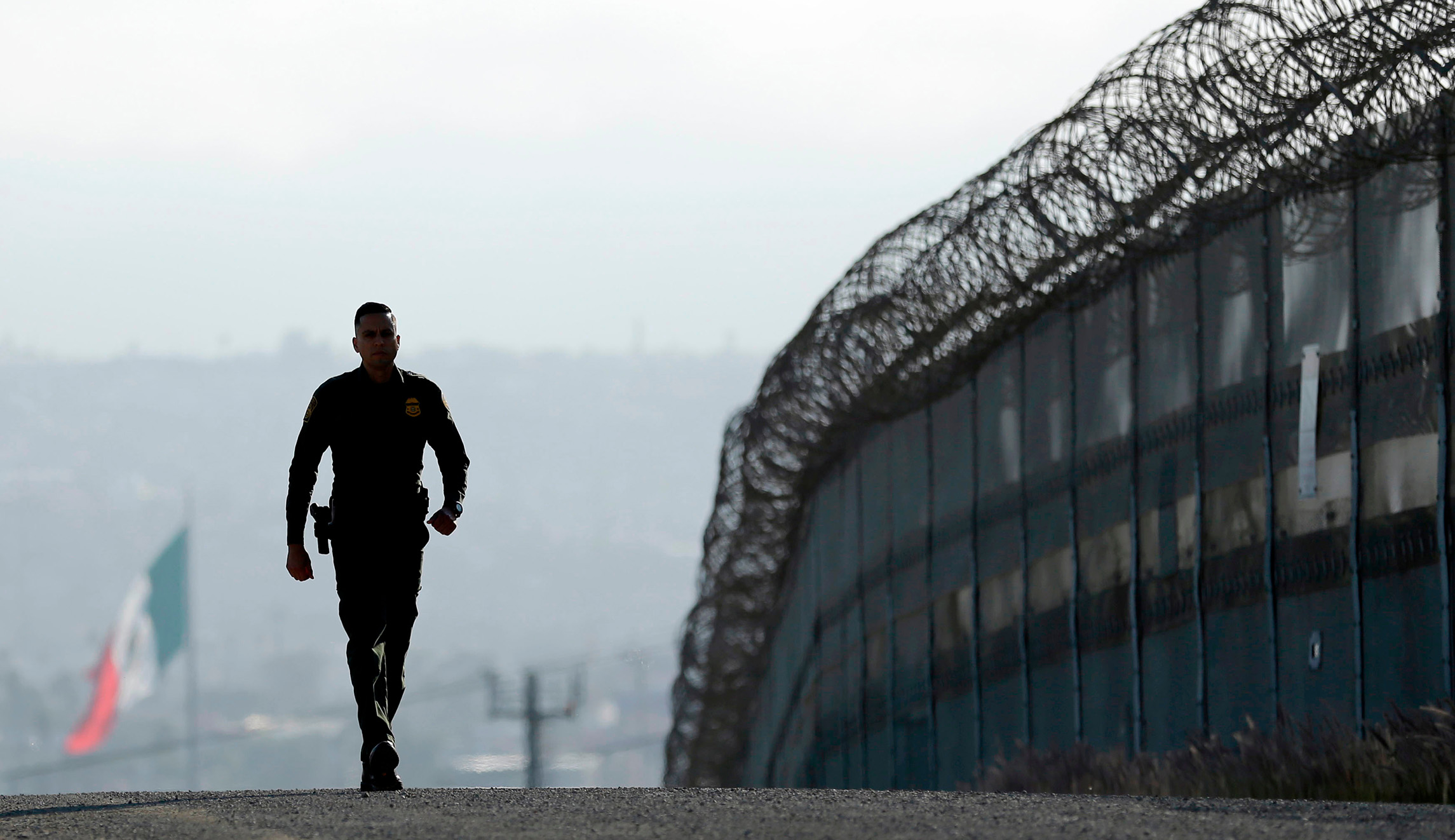
National Guard troops are expected to remain on mission at the U.S.-Mexico border through at least October but might stay longer, senior administration officials told reporters Monday.
The up to 4,000 troops that will be deployed will remain on duty until operational control of the border has been achieved, Customs and Border Protection Deputy Commissioner Ronald Vitiello said.
Recommended Stories


As of Monday morning, National Guard Vice Chief Lt. Gen. Daniel R. Hokanson said 900 troops have been deployed, including 650 from Texas, 250 from Arizona, 60 from New Mexico, and none from California.
The Pentagon intends to cover all costs associated with the project, but said it cannot pinpoint how much the mission will cost and where it will pull the funds from its own budget to cover the project, according to Defense Deputy Assistant Secretary of Defense for Homeland Defense Integration and Defense Support of Civil Authorities Bob Salesses.
The announcement came less than an hour after a report that said Gov. Jerry Brown, D-Calif., will not allow deployed troops to carry out duties related to immigration enforcement.
Vitiello said CBP is in talks with Brown’s office about other tasks the allocated guardsmen could do, including cargo shipment inspections.
Brown had initially said he would allow National Guard troops to help, but said Monday afternoon that he didn’t want them involved in border enforcement efforts. He has said he wants some of the guard troops to be working inside the state, not at the border.
Vitiello clarified the responsibilities of guardsmen deployed by the governors of Texas, Arizona, and New Mexico will not include direct interaction with migrants who have illegally entered the U.S.
“To be clear, border security is and will remain a civilian law enforcement responsibility. The National Guard will serve in a support capacity and will not be directly involved in the enforcement roles,” he added. “They will not be placed in direct contact with those coming over the border.”
Some of those roles include providing service, engineering, and mechanical support to agents on the frontline; air support; monitoring cameras and detection sensors; and repairing vehicles and frontline infrastructure.
The Guard’s deployment in general will be conditions-based. Vitiello said the April 4 decision to call in military support stemmed from President Trump’s January 2017 executive order to secure the border.
Some troops will not carry guns because they will not be in positions where they need to defend themselves, the officials stated.
The Pentagon officials emphasized the mission will only require less than 1 percent of the Guard’s total 450,000 active duty members to participate.
