

The so-called D.C. Madam said in suicide notes that she would not go to prison for what she called “a modern day lynching,” and that she was at peace with her decision to end her life.
The notes were written days after Deborah Jeane Palfrey was convicted by a D.C. jury on charges that she ran a high-class prostitution ring in the Washington area. She was found dead Thursday hanging in a shed at her mother’s Tarpon Springs, Fla., home.
Recommended Stories
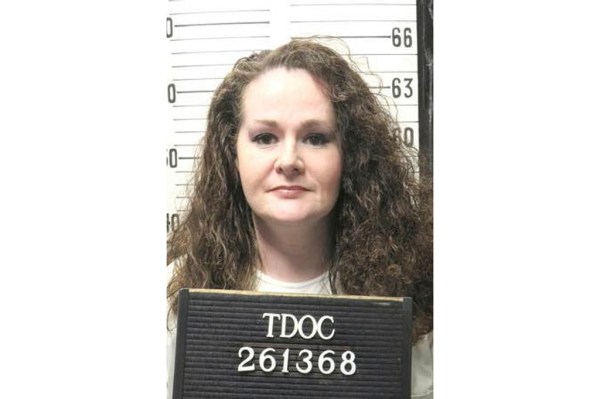

In big, loopy lettering on yellow notebook paper dated April 25, Palfrey apologized for causing her mother and sister pain through her legal ordeal and by taking her life.
“However, I cannot live the next 6-8 years behind bars for what both you and I have come to regard as this ‘modern day lynching,’ only to come out of prison in my late 50’s a broken, penniless and very much alone woman.”
A spokesman for the U.S. Attorney’s Office in Washington declined to comment Monday. Prosecutors from that office presented the case against Palfrey that led to her conviction for racketeering, money laundering and mail fraud offenses. She faced five to six years in prison, under federal guidelines.
Police released two notes Monday. Palfrey’s mother and sister identified her handwriting in the suicide notes, police said.
Palfrey, 52, asked her younger sister, Bobbie, for forgiveness.
“You must comprehend there was no way out, i.e. ‘exit strategy’ for me other than the one I have chose here,” she wrote. “… Know that I am at peace.”
The medical examiner’s office on Monday officially ruled Palfrey’s death a suicide by hanging. The medical examiner’s report will be completed in the coming weeks, and toxicology results are pending.
Tarpon Springs police said their investigation has revealed no evidence to indicate Palfrey’s death was anything other than a suicide.
Palfrey gained national attention last summer when she threatened to release to the public the phone numbers of thousands of clients.
News organizations and private investigators combing through the records uncovered the phone numbers of Sen. David Vitter, R-La., military strategist Harlan Ullman and Randall Tobias, a former State Department official.
Although the high-profile clients were listed as witnesses in the trial, they were spared from having to publicly testify.
