

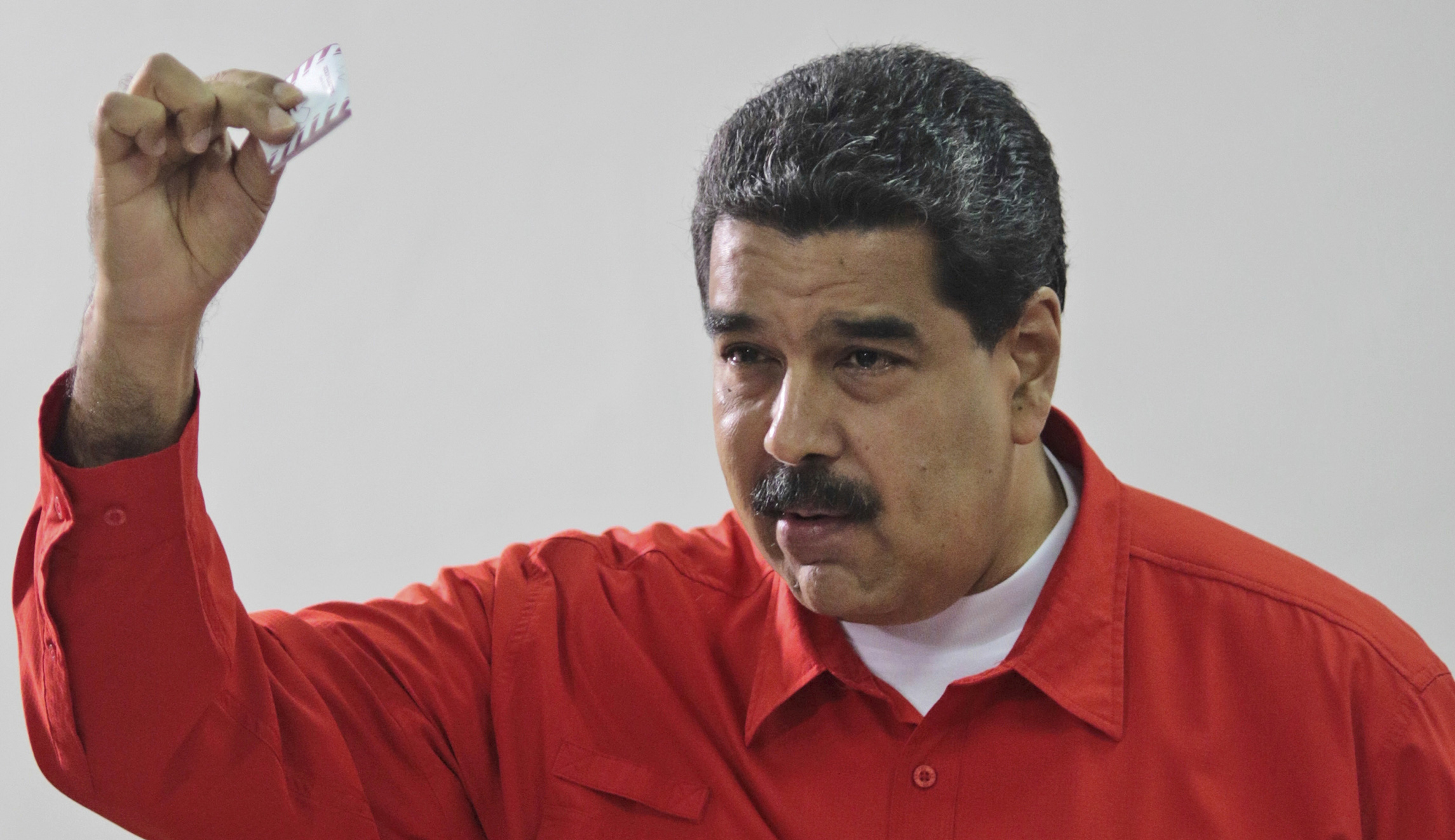
Monday marked a tipping point in international support for Nicolas Maduro’s embattled government in Venezuela. After Maduro failed to meet an ultimatum to hold new elections, major European nations, including Britain, Germany, France, and Spain, joined the U.S. in recognizing self-declared interim President Juan Guaido as the country’s legitimate leader. If the growing bloc of Guaido allies want to be successful, however, they must exercise diplomatic unity.
So far, Maduro’s increasing international isolation hasn’t yet changed his domestic stranglehold on power.
Recommended Stories
Maduro still controls the key institutions that keep the country firmly in his grasp: the military, the judiciary, state broadcasting, and paramilitary forces. He also controls the country’s gold reserves, oil profits and as well as, indirectly, food distribution, which is overseen by the military.
Although there have been a few high profile defections, key military leaders seem to have maintained their loyalty.
For European leaders, having newly thrown their support to Guaido, that domestic stalemate presents a precarious choice. Joining U.S. oil sanctions introduced last week might well cripple Maduro’s government, but it might also bring more misery to ordinary people.
Those misgivings have left European countries and other pro-Guaido forces in agreement that Maduro should go and new elections should be held, but with little consensus on how to get there.
But as difficult as it may be to achieve, diplomatic unity is essential to pressuring Maduro to hold new free and fair presidential elections triggering a, hopefully, peaceful transition of power.
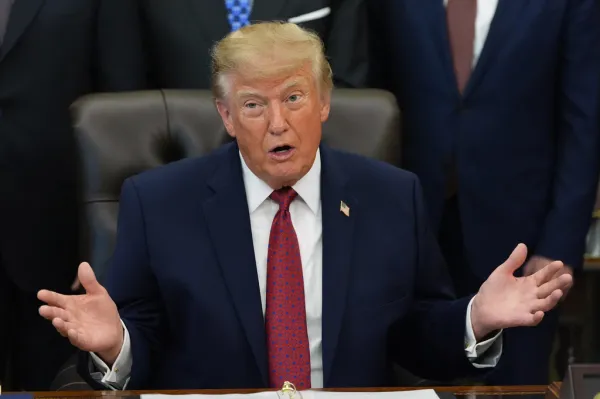
The Trump administration, which has so far rightly led the international community in pressuring Venezuela, must work to find consensus with its allies. Monday’s declarations joining U.S. support for Guaido were a good step. Deciding what to do next will be more difficult.
Convincing other countries to join sanctions, for example, might be challenging. Likewise, as more countries pledge humanitarian aid, it will be key to coordinate how that aid is to be disbursed and, eventually, delivered once Maduro’s block on such shipments is broken.
Given U.S. history of mishandled interventions in Latin America, U.S. coordination with the world is all the more important.
Those factors mean that as international support grows, the U.S. must increasingly work with its allies on Venezuela rather than forge its own path. Ultimately, that will be more difficult, but much more productive in achieving long-term peace and regional stability — and to avoid having blame for a volatile situation fall solely on Washington.
