

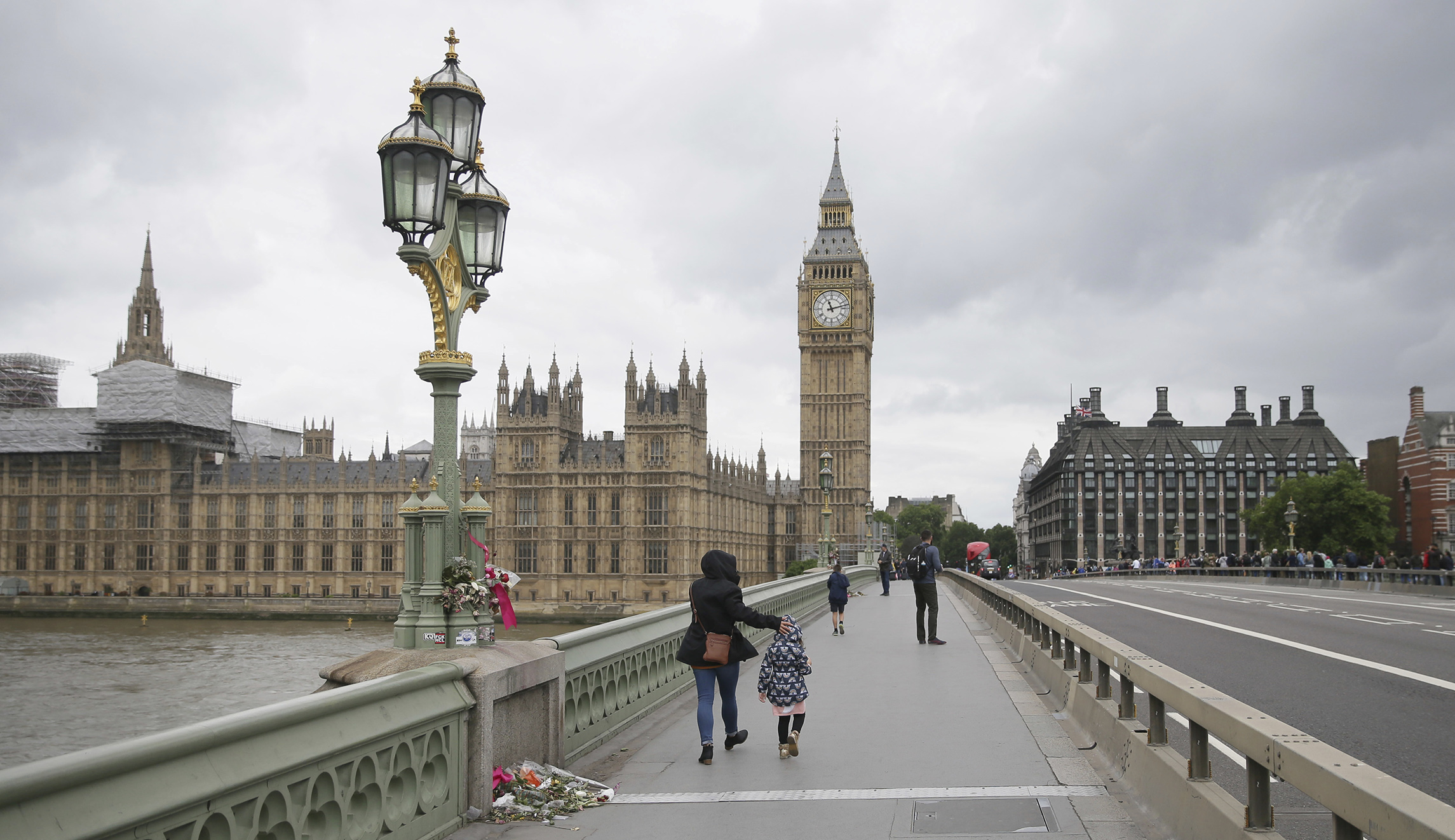
On March 22, 2017, heroes in Britain saved many lives.
On that day, a terrorist drove his car into pedestrians walking across London’s Westminster Bridge. Then he crashed into the houses of the British Parliament and stabbed a police officer to death, before finally being shot and killed.
Recommended Stories


Five innocent people were murdered in his attack. But a BBC documentary shows that were it not for the skill and professionalism of London medical teams, many more would have died.
The documentary was aired in June, but I saw it on Monday evening. It begins with senior administrators at St. Mary’s Hospital as they prepare for a normal day’s work. Then the news comes in: a suspected terrorist attack on Westminster Bridge. The team cancels their meeting and standby to activate their crisis response plan.
Over the next few minutes we see the staff initiate their response; they cancel non-urgent operations, they assess who can safely be moved out of the hospital to create bed space, and they establish an integrated command structure. It’s calm, efficient, and necessary. Shortly thereafter, a major incident is declared. The doctors and nurses stand ready waiting for the storm to arrive.
The first arrival is Khalid Masood, the terrorist. We see him being rushed to an operating theater as medics perform CPR.
Then come the other casualties.
The hospital quickly learns that a French high school trip has been caught in the middle of the attack. Soon two French boys; a 16-year-old and 18-year-old arrive. They are in bad shape, but the cameras don’t show any hesitation or fear on the part of the medics, who work with smooth but urgent professionalism to save them. They show themselves to be medical special forces, clearing each patient by need and then moving onto the next one.
As more wounded arrive, other medics get to work. Supervising doctors travel the hospital, looking to free up space and plan emergency operations. The life-savers win the day: the only attack related death at the hospital is Masood’s.
A senior doctor sums up the success, “It’s really easy when there’s a little bit of heat on, when things are a little bit uncomfortable, to fall apart. So I think what I was most pleased about today was our teamwork worked well.”
Next, we see the recovery. Parents of one of the French boys arrive and the mother becomes emotional. Embarrassed, the boy grumpily responds, “No, there are limits. Just speak normally.” It’s a lighthearted moment that speaks to teenage priorities and what might have been.
We hear from the wife of one victim who was struck as the two enjoyed a rare day out. As she tells the camera crew what happened, her composure breaks down. We’re reminded that this was no accident, it was a deliberate act of evil.
Still, the most moving moment comes when the two French boys are allowed to meet up with each other. Both are still weak, but one of them notices that the other has had his head shaved by doctors. A huge scar lines the top of his head. “Your new look is working for you,” his friend says. The two smile.
Time goes on and we see the staff diligently treat the wounded to the point where they can go home. By the end, we’re left with a simple conclusion. As with police officers at the London Bridge attack on June 3, St. Mary’s medics ensured March 22 was defined by the number of lives saved, not the number taken.
