

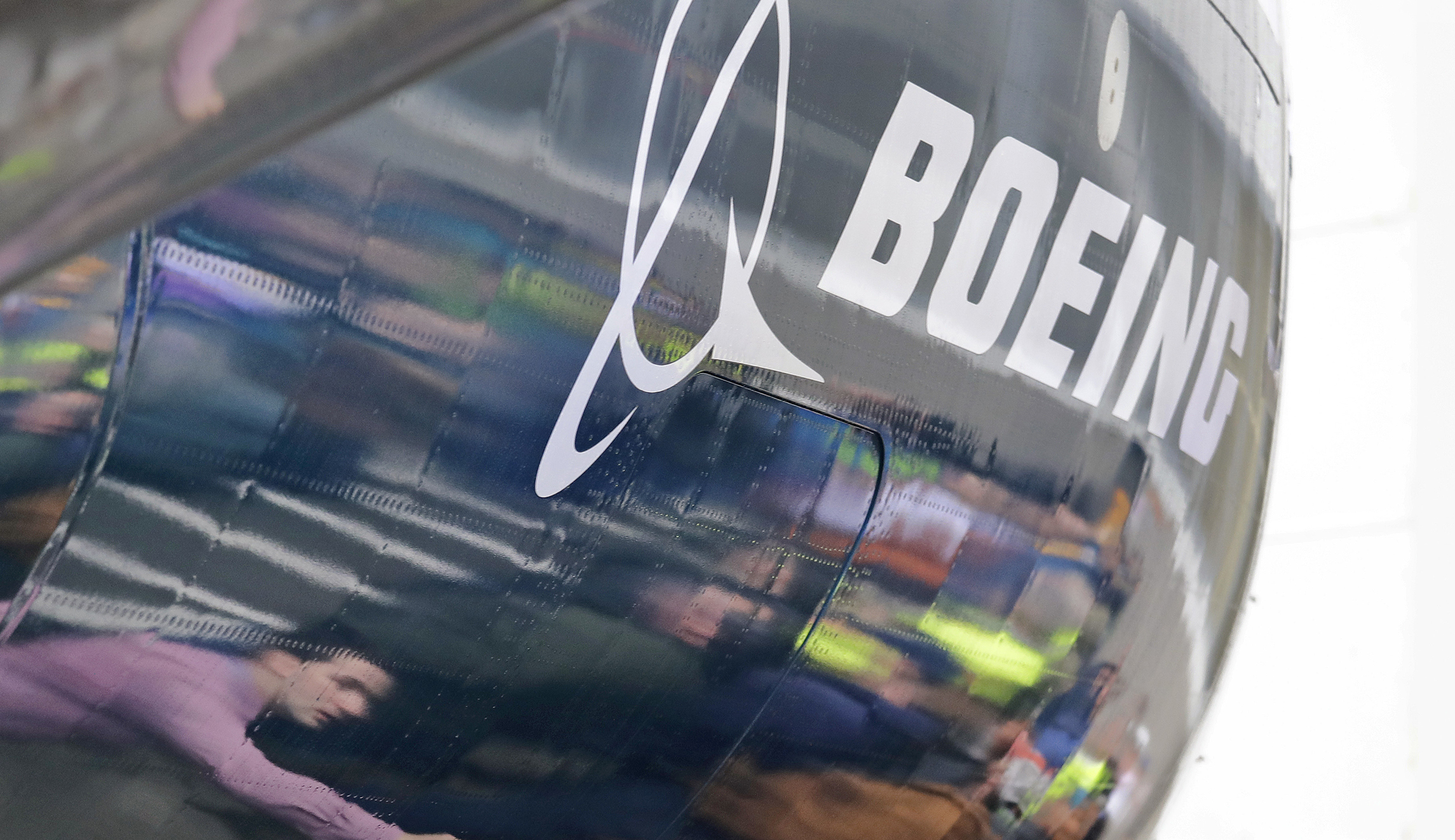
Boeing admitted Wednesday that it was hit by a malware attack, but downplayed the incident as being limited to a “small number of systems.”
Earlier, reports indicated some executives at the aircraft manufacturer were concerned the virus could impact airplane software.
Recommended Stories

“A number of articles on a malware disruption are overstated and inaccurate,” Boeing said in a tweet Wednesday evening. “Our cybersecurity operations center detected a limited intrusion of malware that affected a small number of systems. Remediations were applied and this is not a production or delivery issue.”
Statement: A number of articles on a malware disruption are overstated and inaccurate. Our cybersecurity operations center detected a limited intrusion of malware that affected a small number of systems. Remediations were applied and this is not a production or delivery issue.
— Boeing Airplanes (@BoeingAirplanes) March 28, 2018
The statement comes on the heels of a report from the Seattle Times that said the company had been impacted by the WannaCry computer virus. The report said the company’s chief engineer, Mike VanderWel, issued a memo that the virus could impact airplane production tools and later airplane software.
Just last year in May, WannaCry cyberattacks infiltrated more than 230,000 computers in more than 150 countries and impacted a variety of sectors such as healthcare.
The U.S. publicly declared North Korea was behind the malware in December, after other states, including the United Kingdom, had done the same.
“Stopping malicious behavior like this starts with accountability,” President Trump’s homeland security adviser, Tom Bossert, wrote in the Wall Street Journal in December. “It also requires governments and businesses to cooperate to mitigate cyber risk and increase the cost to hackers. The U.S. must lead this effort, rallying allies and responsible tech companies throughout the free world to increase the security and resilience of the internet.”
The virus included ransomware, which prohibited the victims from accessing their computer. A ransom was demanded to grant users access again.
