

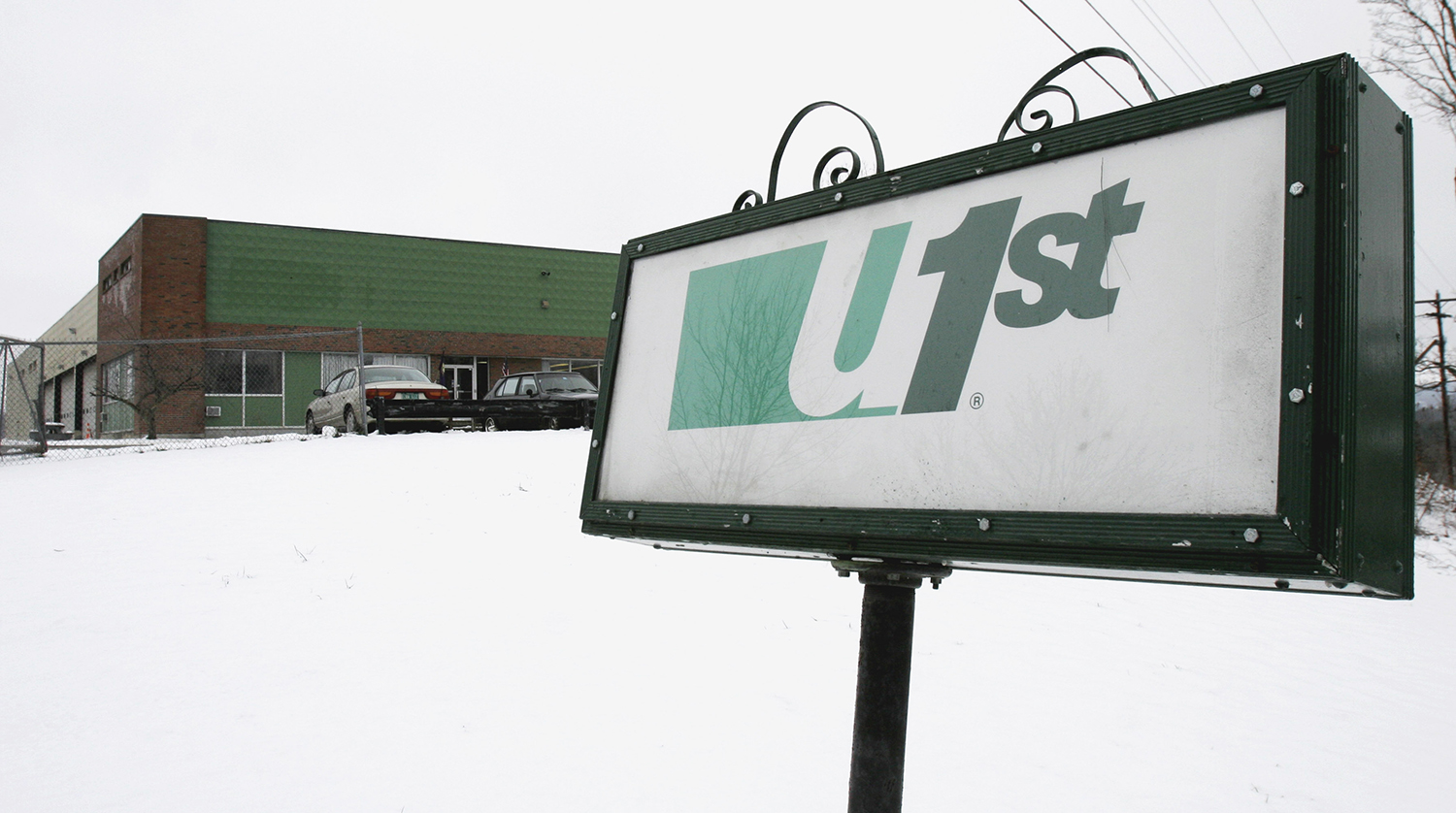
Four years after workers at Unifirst, a Pennsylvania industrial laundry service, voted to get rid of their union, the United Steel Workers, the federal government has granted their request.
The Steel Workers fought the decertification for years, but the National Labor Relations Board, the main federal labor law enforcement agency, recently put an end to the union’s efforts.
Recommended Stories
The case illustrates how hard it can be for even a determined group of workers to sever ties with a union. Majorities of Unifirst employees voted twice to do that, first in 2013 and then again last year. After each vote, the union raised objections with the labor board. The board nullified the first vote, but in a terse ruling dated May 4 said the union’s current objection “raises no substantial issues warranting review.”
Because of the union’s appeals, the workers were obligated to continue to it pay dues to cover its representation costs. In effect, the workers were forced to subsidize the union’s efforts to undermine their effort to get rid of it.
“These workers had already spent years fighting to be free of compulsory unionism, and the NLRB delays forced these workers to remain in an unwanted contract and pay dues and fees for a year. This case is another reason why Pennsylvania needs a right-to-work law to protect the right of workers to choose whether or not to support a union,” said Mark Mix, president of the National Right to Work Foundation, which represented the Unifirst workers.
It is not clear when the United Steel Workers first got certified as the workers’ representative. A union spokesman could not be reached for comment.
Right to Work Foundation spokesman Caleb Young said the union had been there since before their client in the case, Homer Suman, began working at Unifirst 14 years ago. Young said Suman believed that most of the current Unifirst workers had been hired well after the company was unionized.
Those workers narrowly voted, 70-69, to get rid of the union in 2013 but the labor board threw out that result two years later. A three-member board said in a 2-1 ruling the employer “engaged in objectionable conduct by promising employees a 401(k) plan and profit-sharing plan if they decertified the union.” Dissenting board member Harry Johnson noted at the time that the employer had not offered to create the plans. They already existed and were available to any worker. “The employer did no more than truthfully describe to employees the benefits it currently made available to its unrepresented employees,” Johnson said.
A second decertification voted was requested and granted in April 2016. This time the workers voted, 75-51, to decertify. Again the union objected, claiming that the company had interfered with the election. “The company unlawfully promised bargaining unit employees that nothing would change for the worse if they voted to decertify the union,” the Steel Workers argued in a brief to the board. The board, which now has a Republican chairman, Phillip Miscimarra, rejected the challenge and issued the decertification.
