

The nominees for Best Foreign Language Film at the Academy Awards are usually a distinctly high-quality set of movies. But the five that competed earlier this year were especially top-notch, including the surprisingly subversive Iranian film that won, “A Separation,” and “In Darkness,” a devastating work based on the true story of Jews who survived the Holocaust by spending it in Poland’s sewers.
And there was “Monsieur Lazhar,” Canada’s annual Quebecois entry to the contest. This film, like “A Separation” and “In Darkness,” pivots on how one class of citizen views another. But the politics here serve only as subtle scene-setting. Its exploration of the universal themes of grief and growing up are its real center — and what makes it such a moving piece of art.
Writer-director Philippe Falardeau opens with a masterfully filmed set piece. A Montreal elementary student enters the school during a break to obtain the cartons of milk needed in a classroom. When the boy arrives at the classroom, the cartons precariously balanced in his small arms, he drops them all. The teacher can be seen through the door’s window, dangling from a rope she hung near the ceiling.
| On screen |
| ‘Monsieur Lazhar’ |
| 3 out of 4 stars |
| Stars: Mohamed Fellag, Sophie Nelisse, Emilien Neron |
| Director: Philippe Falardeau |
| Rated: PG-13 for mature thematic material, a disturbing image and brief language |
| Running time: 94 minutes |
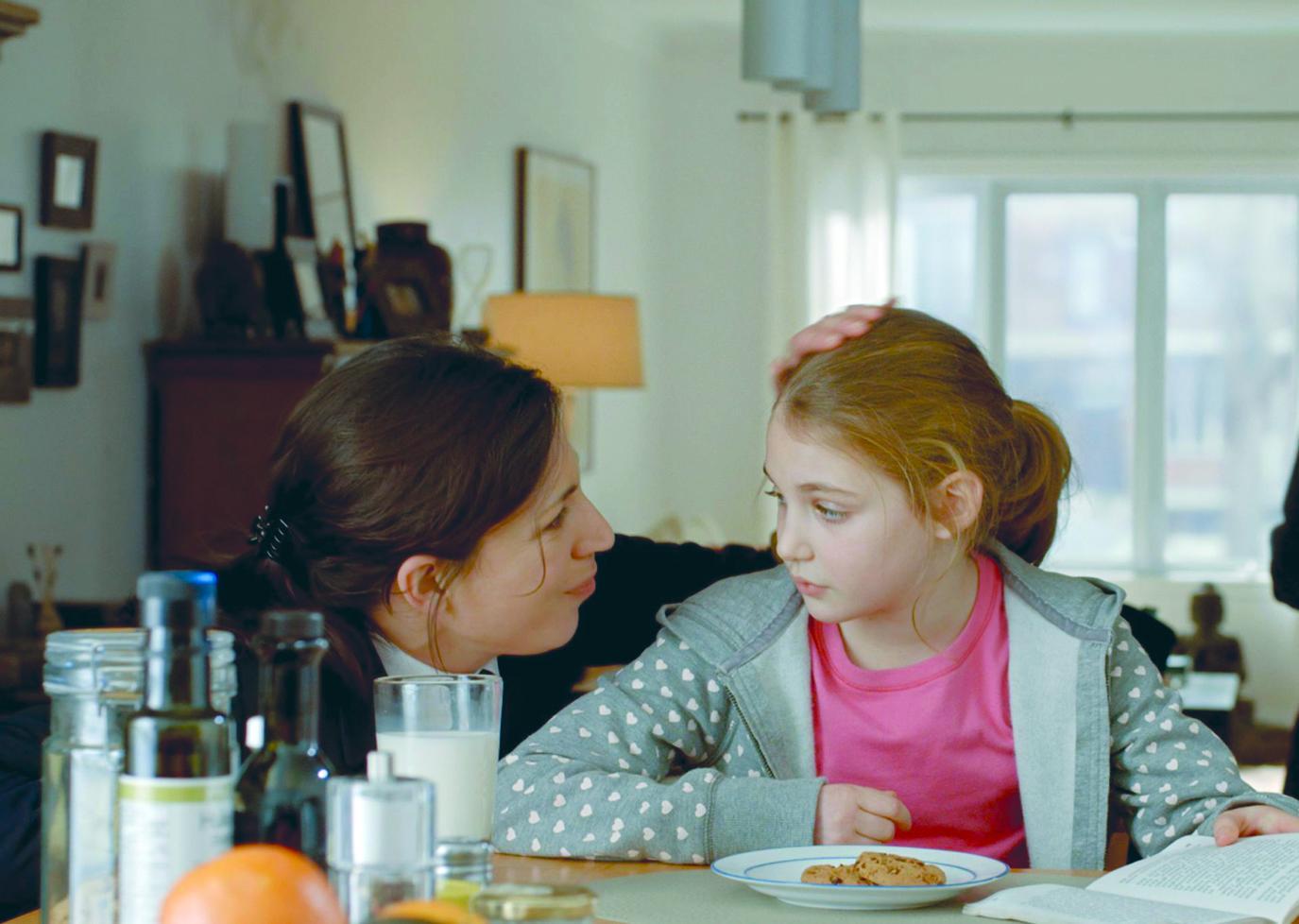
Bachir Lazhar, the title character, reads of the suicide in a newspaper and offers himself to the school as a substitute. The school knows little about the 55-year-old Algerian immigrant (played by Mohamed Fellag). They don’t know he’s still coping with his own tragedy. They don’t know his immigration status in Canada is uncertain. Neither do the children they hire him to teach. And teach them he does — not so much about reading and arithmetic, but about the more important things they’ll need to become good human beings.
There have been a number of great films in the past few years exploring the haunted history between France and Algeria, such as 2006’s “Days of Glory.” Here we find French Canadians can have just as many prejudicial feelings toward Algerians. (In fact, the movie might overplay this just a bit.)
Monsieur Lazhar, in fact, first challenges his students beyond their capabilities. But, in the end, he teaches them that some aspects of human life (and death) just can’t be challenged. The young student who found his dead teacher feels some responsibility for her suicide. But as M. Lazhar points out, some parts of the human experience are inexplicable.
The education of our children is not, though. And “Monsieur Lazhar” is a surprisingly charming, but sad, story of the sort of special mentor we’re all lucky if we meet once in a lifetime.
