

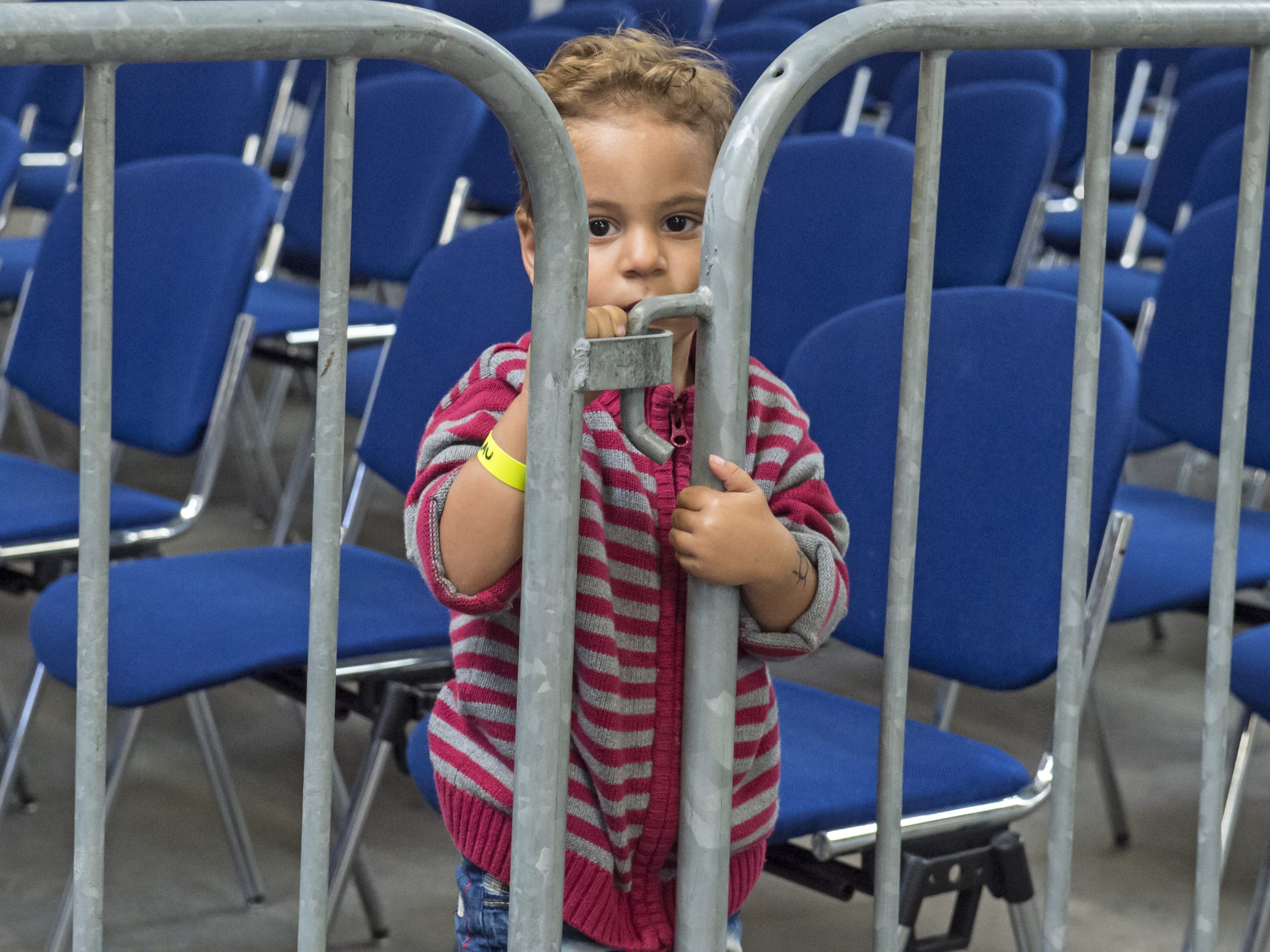
Germany announced Sunday it’s setting up controls on its Austrian border, overwhelmed by a flood of Middle Eastern refugees over the last few days.
Recommended Stories



More than 13,000 refugees, most of them Syrian, arrived in Munich on Saturday. It’s estimated that by the end of the weekend a total of 40,000 will reach Germany, a number that far exceeds how many migrants most other inland European countries have allowed in. Greece and Italy have borne the brunt of the crisis so far, with economically unstable Greece taking in nearly 142,000 migrants since June 1 of this year, and Italy 107,000 refugees.
Thousands of Syrians are trying to make it to Europe before authorities begin a crackdown next week, potentially stranding them in war-torn areas. Many countries in the European Union have strictly limited the number of migrants they’re allowing in, prompting widespread controversy and severely burdening countries including Turkey, Lebanon, Jordan and others.
German Vice Chancellor Sigmar Gabriel said his country, which has agreed to accept 800,000 refugees in total this year, is “at the limit of its capabilities.”
And as Interior Minister Thomas de Maiziere announced the border controls on Sunday, he called for other EU states to do more. He didn’t give details on exactly how the border controls will work, although he said the measures might disrupt railway services.
“Germany is temporarily introducing border controls again along [the EU’s] internal borders. The focus will be on the border to Austria at first,” de Maiziere said. “The aim of these measures is to limit the current inflows to Germany and to return to orderly procedures when people enter the country.”
Trains from Austria to Germany have been cancelled until early on Monday, Austrian railways said. Austrian officials are currently meeting to discuss how to handle the situation.
