

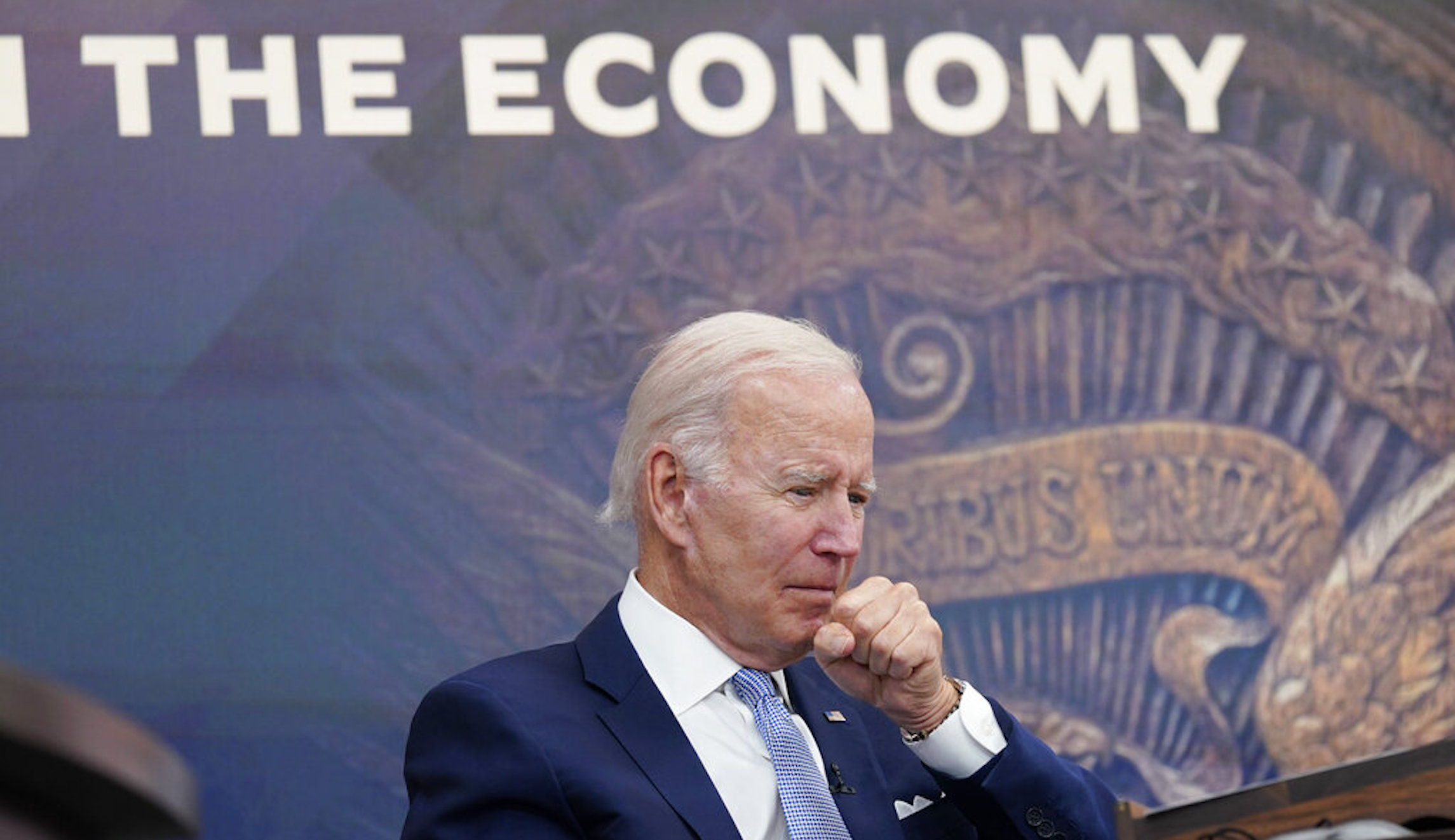
They said inflation was temporary. Then they said it was transitory. Now, they are saying the economy is in “anything but” a recession. But it became official on Thursday: Bidenflation has plunged the nation into a Bidencession that began in January and continues today.
Recommended Stories
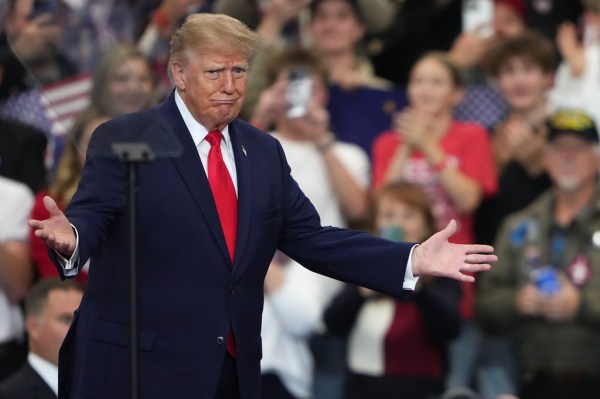


With new data showing two consecutive quarters of negative economic growth, the United States has entered its 11th recession since World War II. Try as they might, Biden administration officials have failed to redefine “recession” and convince the public that everything is A-OK. And now, Democrats, unsatisfied with an economy that is merely writhing on the ground in pain, want to kick it while it’s down by raising taxes.
With the price of consumer goods skyrocketing, especially that of gasoline and groceries, and real wages down sharply, the Democrats view this as the moment to squeeze a few more dollars out of taxpayers. They intend to target corporations — that is, the employers who would otherwise be investing in expansion, hiring more employees, or raising wages.
Leave it to Democrats to let their obsession with tax hikes push them toward such political folly during an election year.
Republican leaders in Congress owe a fruit basket to Sen. Joe Manchin (D-WV) for agreeing to put his own party’s senators and congressmen on the record for supporting a tax increase during such dire economic times. Perhaps Manchin’s true intention is to switch parties after the election. Just as the Senate seemed out of reach for Republicans (thanks to some bad candidates), Democrats seem determined to make it happen anyway.
It bears noting that there are two tax increases in the Manchin agreement. First, it would close the “carried interest” loophole on a very small class of Wall Street professionals. Second, it would impose a 15% minimum tax on corporate profits.
To be sure, these are among the less harmful species of possible tax increases, though both should be done in a revenue-neutral fashion by lowering the rates that other taxpayers pay. Still, the corporate minimum tax is peculiar because it would undo much of what Congress has been trying to do for years — most recently, for example, with the CHIPS Act, which provides lucrative tax credits for the makers of semiconductors.
A minimum tax means your company can no longer shirk its tax burden by seizing on special tax incentives to do things the government wants instead of serving consumers and shareholders. In fact, the 15% corporate minimum would nullify many green energy incentives, sparing the taxpayer a great deal of silliness and waste. Unfortunately, the bill contains billions in such spending, so it’s probably not time to celebrate. But it would at least restore legally required oil and gas leases and expedite the issue of permits.
As these objections take a higher profile, we expect them to weaken this bill within Democratic circles and perhaps even torpedo it, even though it requires only 51 votes in the Senate to pass.
It took President Joe Biden only one year to plunge a healthy and recovering post-COVID economy into recession. So always with Democrats — they cannot lay off the bad ideas, not even to save their own political hides.
