

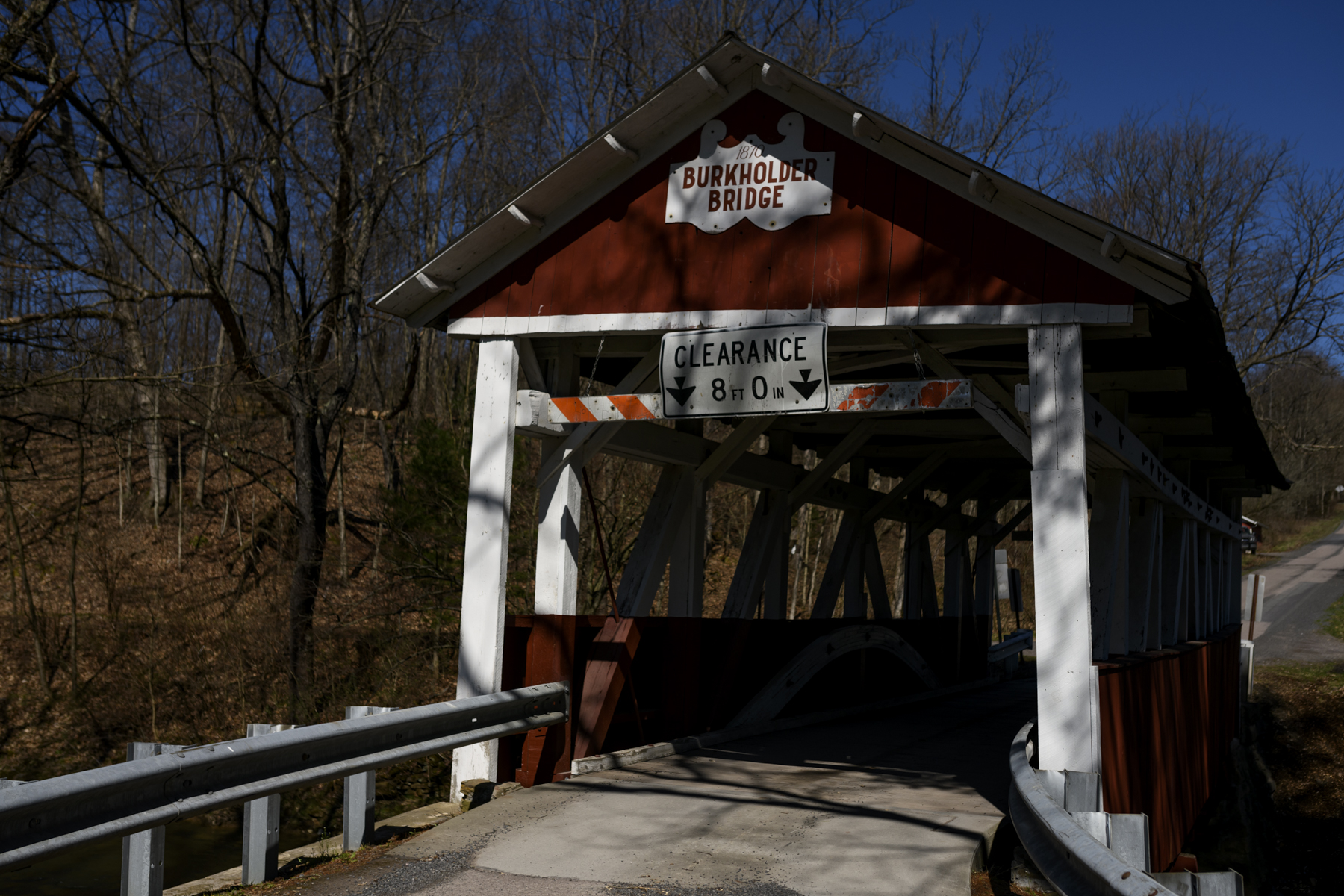
BROTHERSVALLEY TOWNSHIP, Pennsylvania — Anyone who has driven along the narrow, winding township road just off of U.S. 219 immediately finds themselves whisked back in time, if only for a moment, as their car enters the Burkholder Bridge.
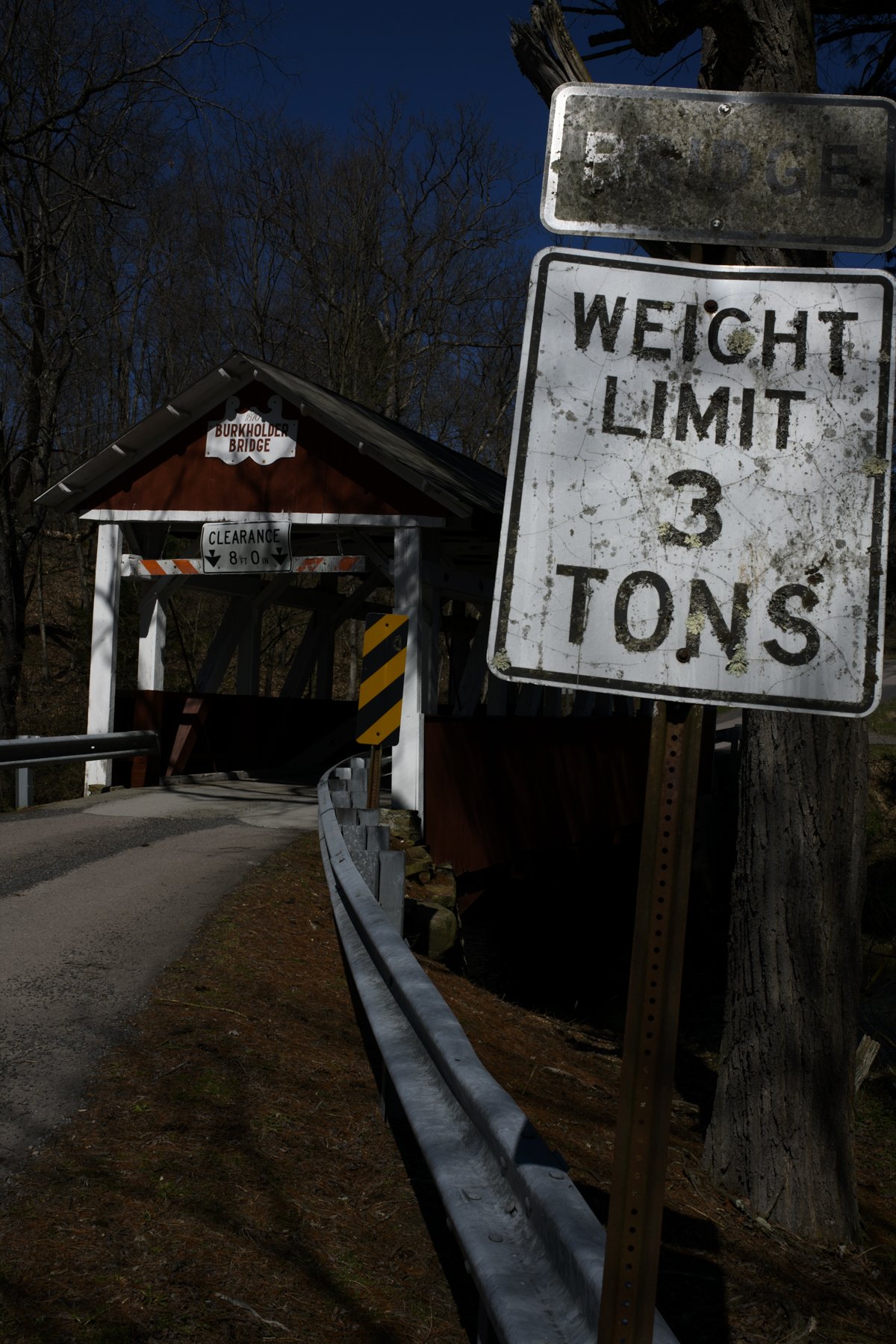
The 150-year-old structure has cherry-red shingles, a charming sign across the arc of its roof bearing its name, and alabaster white sidewalls, which are distinctive because of their openness, allowing much of the structure to be exposed to view. In theory, and this is only in theory, this covered bridge would be considered by some as a structure that has surpassed its usefulness in the modern world. Its 3-ton weight limit and 8-foot height limit restrict many vehicles from using it to pass over Buffalo Creek.
Recommended Stories


Like some things in this country that are past their expiration date, it has been preserved. As times change with new industries, technologies, and opportunities, many other relics have been removed from our landscape and our memories. Or they decay in front of us as change and neglect force them to rot back into the Earth.
Change is like that. Tiny towns like this one in Somerset County, larger towns such as Cumberland, Maryland, or Youngstown and East Liverpool, Ohio, once had very different purposes than the ones they have today. As the world changed and moved forward, it left these towns and hundreds just like them behind.
Cumberland was once the second-largest city in Maryland. It was the gateway to the West, the jewel of the American frontier, the center of the railroad industry.
East Liverpool was once the “Pottery Capital of America,” with over 300 pottery companies manufacturing the finest china in the world. Last week, in the midst of all of the calamity that is the coronavirus pandemic, the Hall China Company, which has been there for over 100 years, was bought by a company that will now produce the iconic dinnerware in England, Mexico, and China.
Youngstown was the center of this country’s manufacturing universe for over 100 years. You can thank them and every town up and down the Steel Valley for supplying not just the materials but also the blood and sweat that built this country from the dawn of the Industrial Revolution to the post-war building boom after World War II.
These are the cities and towns and counties that for years have scrambled to hold onto the churches that anchored their neighborhoods, the barbershop that served their families for three generations, and the family restaurants where they went for their weekly “night on the town” and their kids had their first part-time jobs.
They were the same places where fathers and grandfathers staffed men’s guilds to support the local parish festivals, where the women’s guilds planted flower beds to beautify the towns, and where the youth groups cleaned up litter off their roads dumped by strangers passing through.
As they held on dearly to the local institutions as long as they could or wept as they shuttered along with the manufacturing employers, they were made to feel backward or foolish for wanting to hold on to the past. The cosmopolitan class mocked them for not moving away from a dying town or adapting faster to change.
When we come out of this pandemic, no matter where we live, whether it’s New York City or Newville, Pennsylvania, we will come out to a landscape and society that has changed forever.
That dry cleaner where you dropped your shirts off to be pressed every week may never open its doors again. The deli where you grabbed lunch every Friday won’t have that tuna melt you loved so much ready for you when you walk in the door. The waitress who knew you by name has moved back home with her parents because she couldn’t afford that apartment anymore, even when she shared it with three other girls.
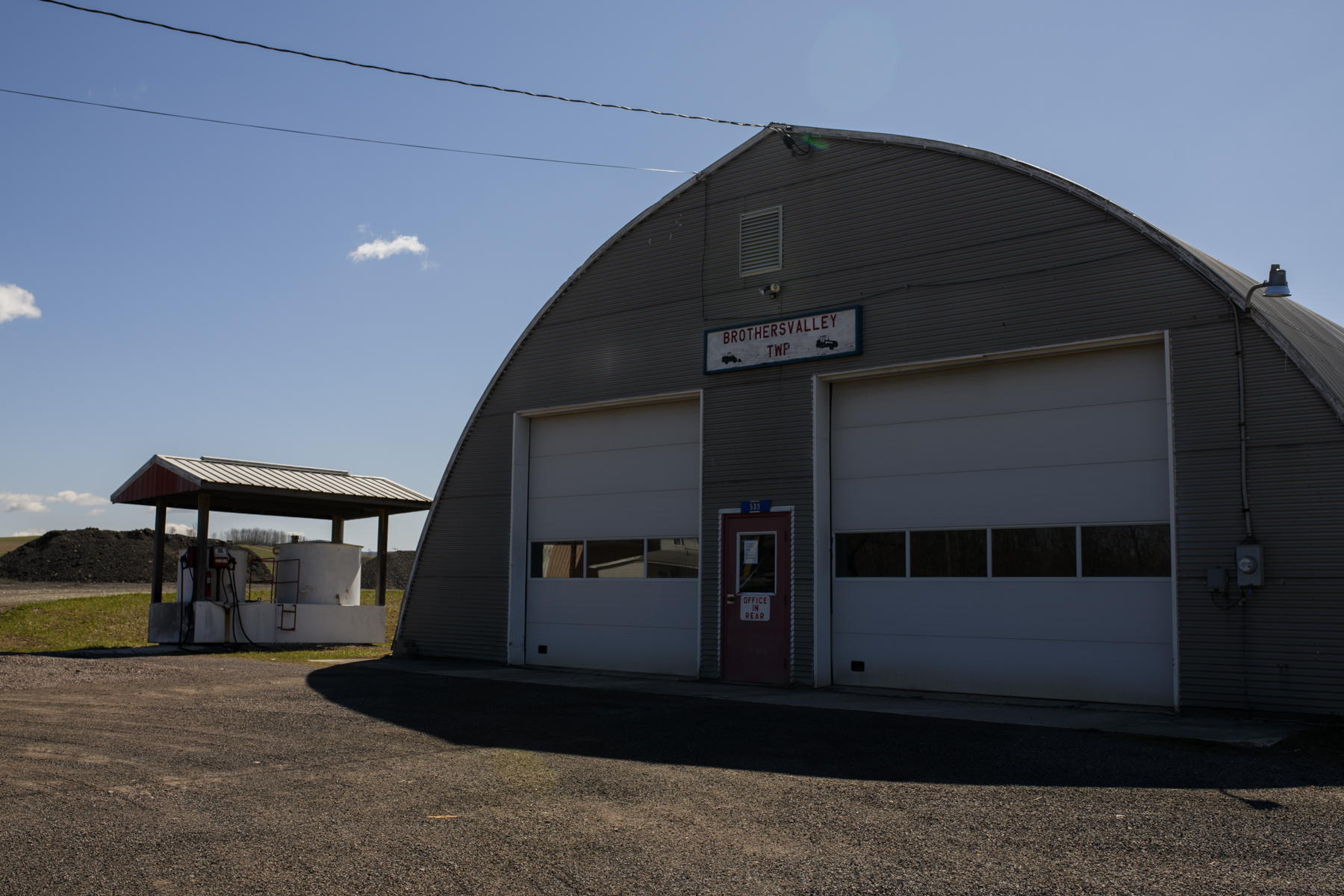
The economic and emotional change we typically see in this country is a slow erosion of a town, city, or village. First comes the loss of major employment, and if there is nothing to replace it, then comes the collapse of the place. For people who have been rooted in the Cumberlands, Youngstowns, and Brothersvalleys of this country, these places have value because that rootedness defines them.
Now, the coronavirus pandemic is accelerating that erosion up to warp speed.
Maybe it will eliminate one aspect of that divide between the placed and the placeless who enjoy their mobile lives and focus on lofty ideals and global policies. The placeless may find themselves understanding how the placed have felt all along, worrying about crumbling institutions all around them and the long-term damage to their community and city.
