

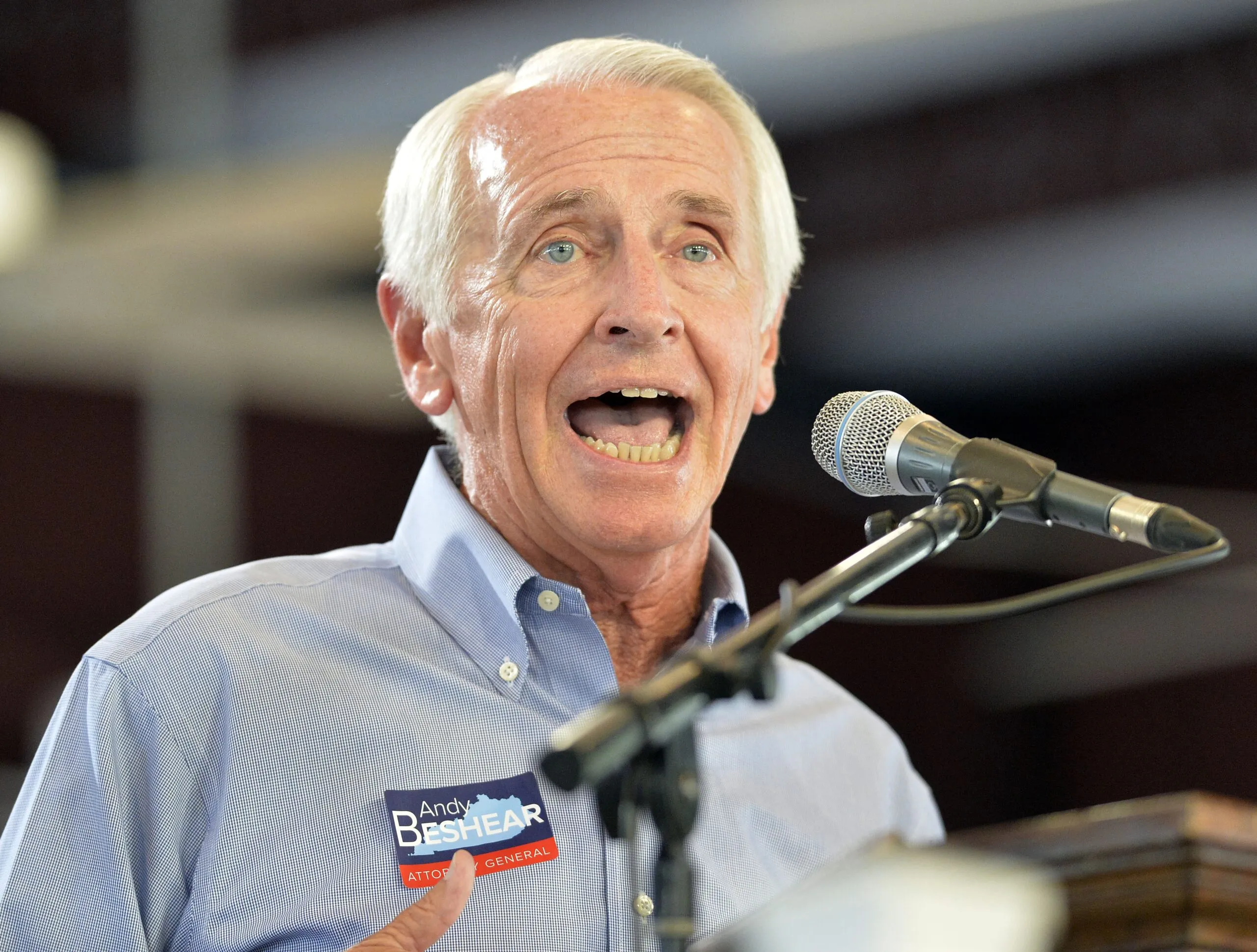
Kentucky Gov. Steve Beshear pleaded Friday with his incoming successor to preserve the state’s Obamacare exchange and its Medicaid expansion, strongly urging the Tea Party Republican to base his decision on evidence the healthcare expansions are working well.
“It’s inconceivable to me why just to make a partisan political statement, Kentucky would want to go backwards and become the first state to dismantle a successful exchange,” Beshear said in a speech Friday morning.
Recommended Stories


“I encourage governor-elect Bevin and his staff to study this data and, just as importantly, to talk to the people who have been fighting the healthcare fight for the last eight years,” the Democrat added.
Beshear became one of the most prominent governors helping to implement President Obama’s healthcare law by shepherding the creation of one of the most successful state-run insurance marketplaces.
Kentucky’s rapidly falling uninsured rate became a favorite Obamacare success cited by the administration, with the conservative state serving as a rare example where a governor embraced the healthcare law even as many governors of other red states refused to create an insurance marketplace and rejected Medicaid expansion for low-income residents.
Beshear has embraced both and even commissioned a report released earlier this year highlighting positive effects of the insurance expansions on the health of Kentucky residents. Gallup polling has shown that except for Arkansas, Kentucky’s uninsured rate has dropped the most of any state under the healthcare law. The Democratic governor has pointed to his own state’s outcomes in an effort to convince other governors to embrace the law, too.
But Kentucky now may now turn its exchange over to the federal government and scrap Medicaid expansion under the leadership of newly elected Republican Gov. Matt Bevin.
Bevin, a Tea Party favorite, has said he would dismantle the exchange, saying it doesn’t make sense for the state to pay for its own system when it could use the federal healthcare.gov website instead. The state created the marketplace with the help of a $283 million federal grant and is now paid for with a 1 percent tax on all health insurance premiums, including those sold outside the exchange. Bevin ran on a platform of turning back Medicaid expansion.
But if Bevin dismantled the exchange and reversed Medicaid expansion, he would be motivated more by political goals than by real data, according to Beshear. During a half-hour speech praising outcomes under the law, the Democrat said dismantling the state exchange would waste the federal grants spent on setting it up and cost the state an additional $23 million.
Beshear also argued that it would also cause the state to lose oversight over how its marketplace runs, subject shoppers to longer wait times and potentially disrupt the participating plans.
“We designed our exchange and we control it, so why should we pay millions in tax dollars to get rid of it?,” he said.
Beshear pointed to other Republican governors who have accepted Medicaid expansion or didn’t get rid of it after they took office. He said Bevin should look at the examples set by Michigan Gov. Rick Snyder, Nevada Gov. Brian Sandoval and especially Ohio Gov. John Kasich, who is running for president.
“Kasich — he was harshly criticized for that support by folks in Ohio and he continues to get criticism in debates and on the campaign trail, but he’s not backing down,” Beshear said.
Other health initiatives started by Beshear have improved the health of state residents in several measurable ways. Under Beshear’s Kyhealthnow, which comprises seven health goals including reducing obesity rates by 10 percent, the state has dropped from fifth to 12th in the nation for adult obesity rates. Beshear will leave office Dec. 8.
