

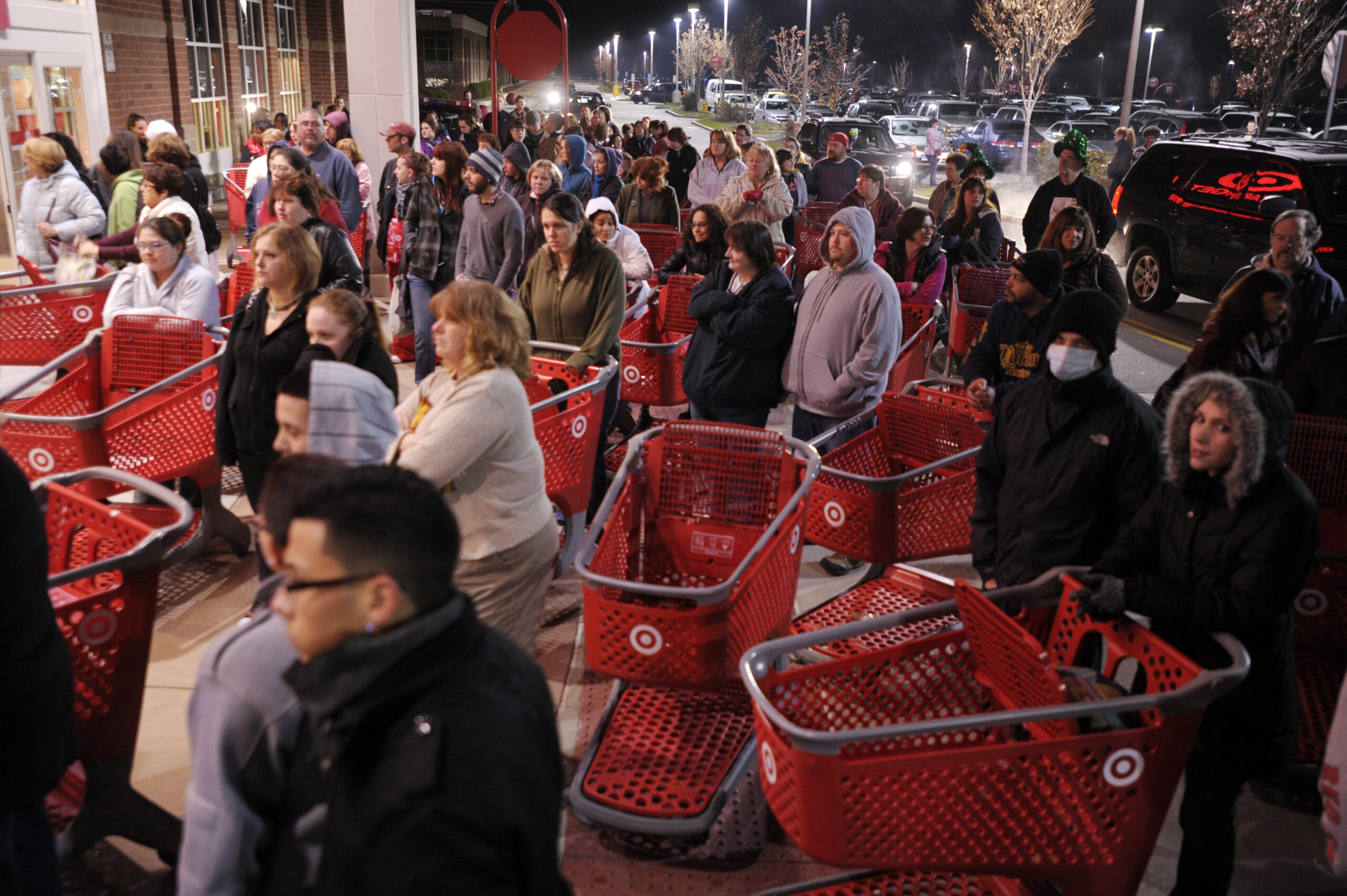
Black Friday failed to bring back the typical level of shopping it brought to stores prior to the COVID-19 pandemic, with both in-person and online shopping over the holiday on the decline in comparison to 2019.
Retail stores in the United States saw a decrease of 28.3% in Black Friday shoppers compared to 2019, the last year before COVID-19. Some have attributed the decrease in visits to supply chain issues and shoppers already completing most of their shopping, according to the research conducted by Sensormatic Solutions.
Recommended Stories


SMALL BUSINESSES WILL HIT TURBULENCE THIS HOLIDAY SEASON
“While in-store shopping is still not back to 2019 levels, more shoppers felt comfortable visiting stores in person this Black Friday than in 2020,” said Brian Field, senior director of global retail consulting at Sensormatic Solutions. “One driver of this increased traffic could be ongoing supply chain challenges and shipping delays, which are resulting in consumers shopping earlier to ensure their gifts arrive on time.”
Shopping in-person on Thanksgiving itself plummeted by 90.4% compared to 2019. The decrease was attributed to many retailers closing on the holiday and beginning their deals earlier to prevent crowds in stores, according to the research.
Online shopping also saw a slight decrease this year, with $8.9 billion spent compared to the $9 billion consumers spent in 2020, marking the first time ever growth pulled back in online Black Friday shopping. Thanksgiving Day saw U.S. consumers spend $5.1 billion online, nearly flat compared to the same period in 2020, according to TechRadar.
CLICK HERE TO READ MORE FROM THE WASHINGTON EXAMINER
Though the stores have not yet returned to pre-pandemic levels, they did see an increase in shopper visits of nearly 47.5% compared to 2020. The peak time for in-store Black Friday shopping was between 1 and 3 p.m., the research stated.
