

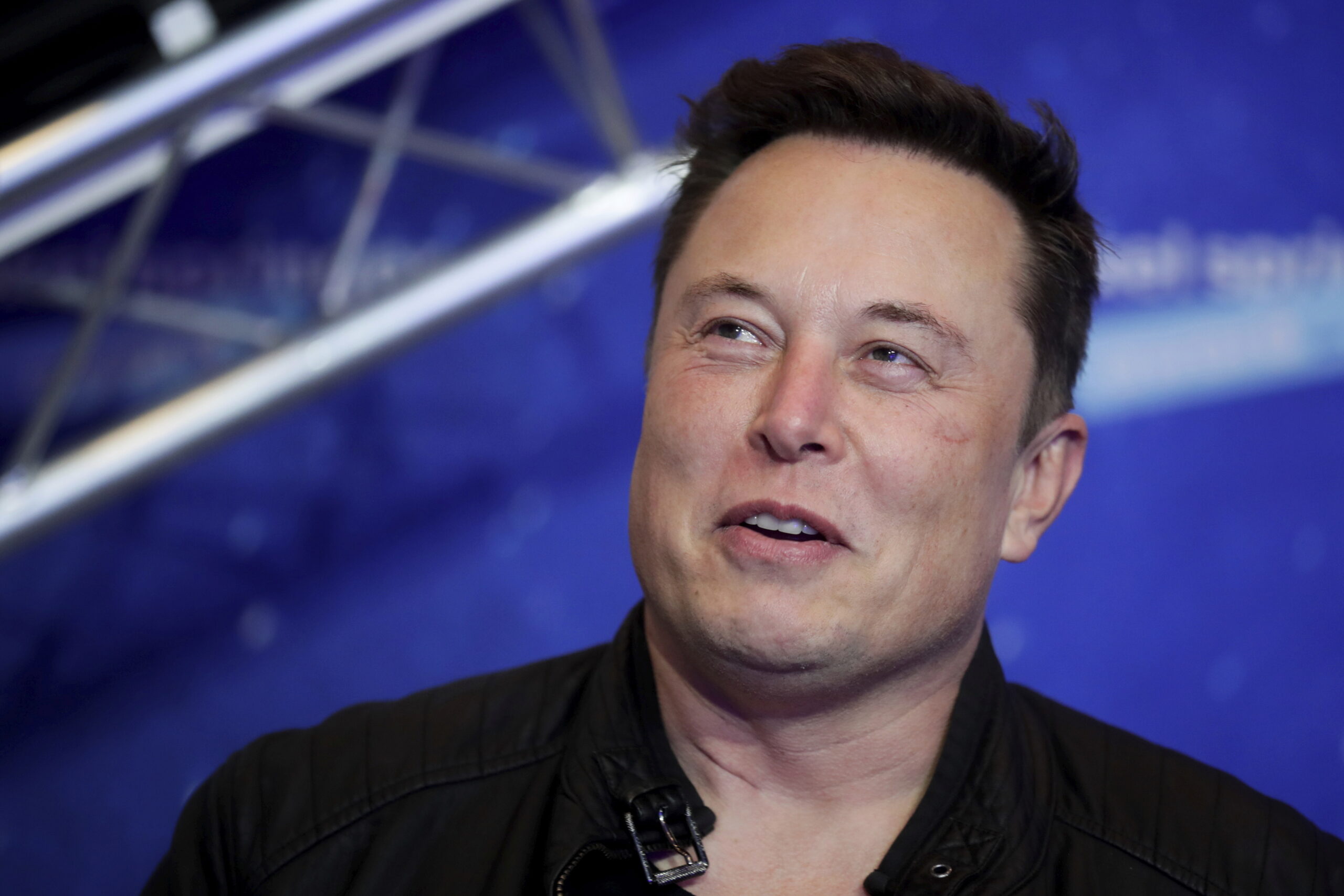
The news of Elon Musk’s offer to buy Twitter to make it more free speech oriented has sparked a debate as to how effective the Tesla CEO could be at improving the platform and increasing its value, with skeptics fearing that he could diminish it by turning it into his own plaything.
“Twitter will be stronger by itself, keeping control, than if it becomes, you know, ‘Musk Social,'” said Mark Weinstein, founder and CEO of MeWe, an alternative social media platform that has been popular with conservatives and free speech supporters.
Recommended Stories


“Its brand and trust comes from being independent and responding to the needs of users. Being Musk’s platform would take that away and empower smaller social media platforms to challenge Twitter in ways they couldn’t before,” said Weinstein.
TWITTER CEO ASSURES EMPLOYEES MUSK OFFER ISN’T HOLDING COMPANY ‘HOSTAGE’
Twitter’s board voted Friday to adopt a “poison pill” investor strategy in an attempt to stop Musk from taking over the company.
The social media giant’s board of directors, led by Chairman Bret Taylor and CEO Parag Agrawal, approved a limited-duration shareholder rights plan that can help stop companies from being acquired in takeovers they don’t want.
Twitter adopted the poison pill as a way to fight Musk’s ambition to control the company and take it private, which the platform views as unwelcome, according to the Information.
Twitter insiders say the platform may need to change its content moderation policies to allow more free speech but that Musk is not ideally suited to make this happen unilaterally.
“Musk right now is trying to pry open the gates to the public town square, and it very well might need to be opened up,” said Adam Sharp, Twitter’s former head of news, government, and elections.
“But what happens after he opens the town square? Then, he doesn’t have to listen to anyone, and he can stand in the middle and do what he wants. That’s the risk with any single wealthy owner,” said Sharp, Twitter’s first Washington, D.C., employee, who helped grow the platform into a political media powerhouse.
Sharp added that if the goal for Twitter is to be a democratic exchange of ideas online, then this is more likely to happen as a publicly traded company that is shaped by the market, which provides checks and balances.
Musk expressly tied his initial purchase of 9.2% of Twitter earlier this month to his ambition of making the platform more free speech oriented, which he said is a societal imperative for a functioning democracy.
Yet Twitter does not trust Musk to be a steward of the company in the long run.
“It’s a little early to tell but Twitter seems to be pushing back on Musk’s purchase because it’s not in the best interests of shareholders in the long run,” said James Czerniawski, senior tech policy analyst at Americans for Prosperity, a right-of-center advocacy group.
CLICK HERE TO READ MORE FROM THE WASHINGTON EXAMINER
“It would take a long time for anything Musk wants to do on free speech to actually happen and take effect at Twitter, so there likely won’t be any big changes to the platform in the short run [that] shows his influence,” said Czerniawski.
