

WEST HOLLYWOOD, Calif. (AP) — Before the car-wreck victim reached the emergency room, doctors, residents and nurses at Cedars-Sinai Medical Center knew what to expect by glancing at their smartphones.
The text messages read: A 35-year-old man had driven head-on into a bus. He suffered major chest injuries. His vital signs were crashing.
Recommended Stories



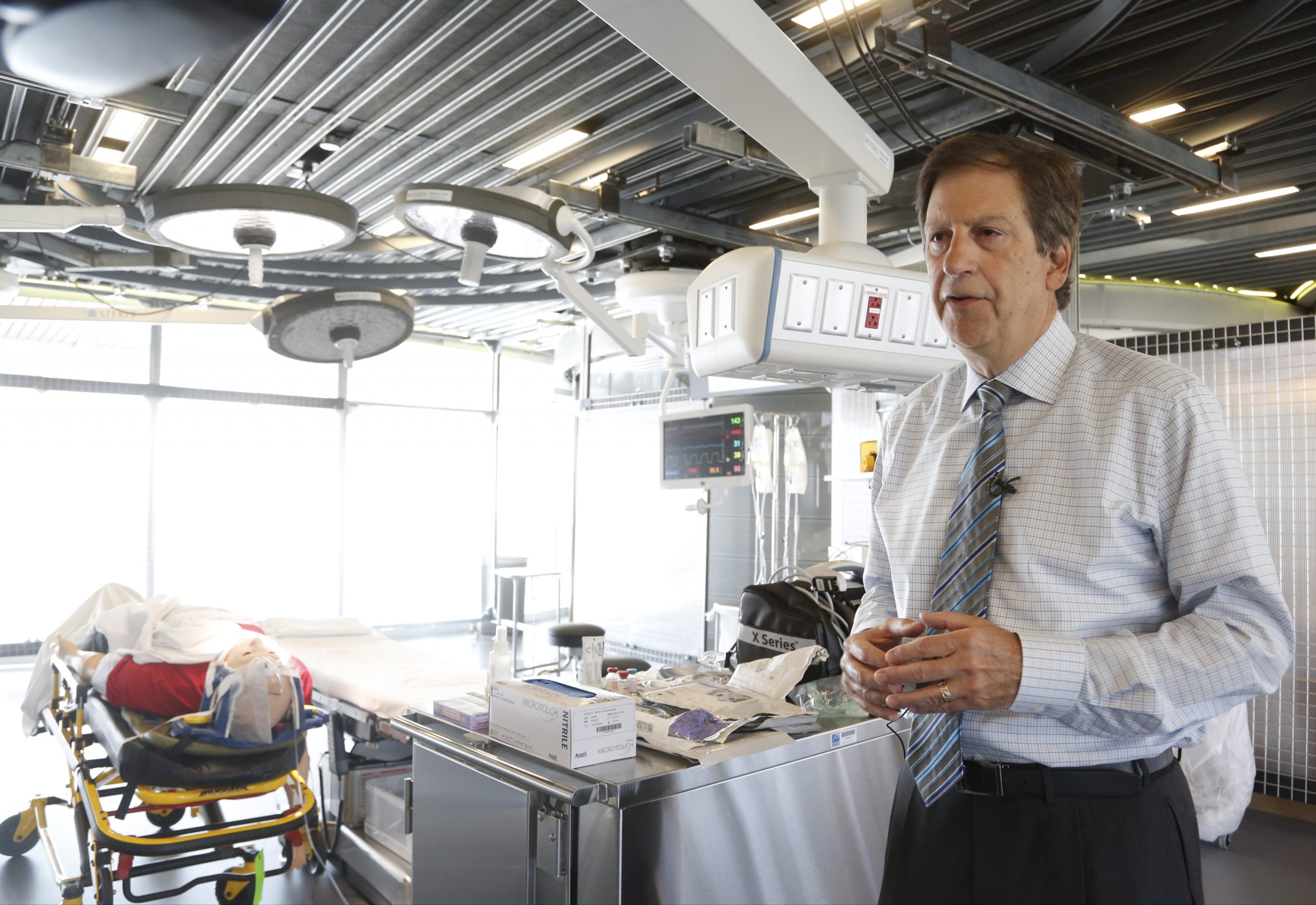
This was not another day in the hospital. It was the “OR of the future,” an ongoing experiment aimed at breaking down barriers that bog down care through open communication, better use of technology and teamwork.
In reality, trauma care is rarely this organized.
But those who are prized for individual skills are increasingly learning that when it comes to treating trauma patients from accidents, natural disasters or terrorist bombings, communication and coordination can determine whether someone lives or dies.
