

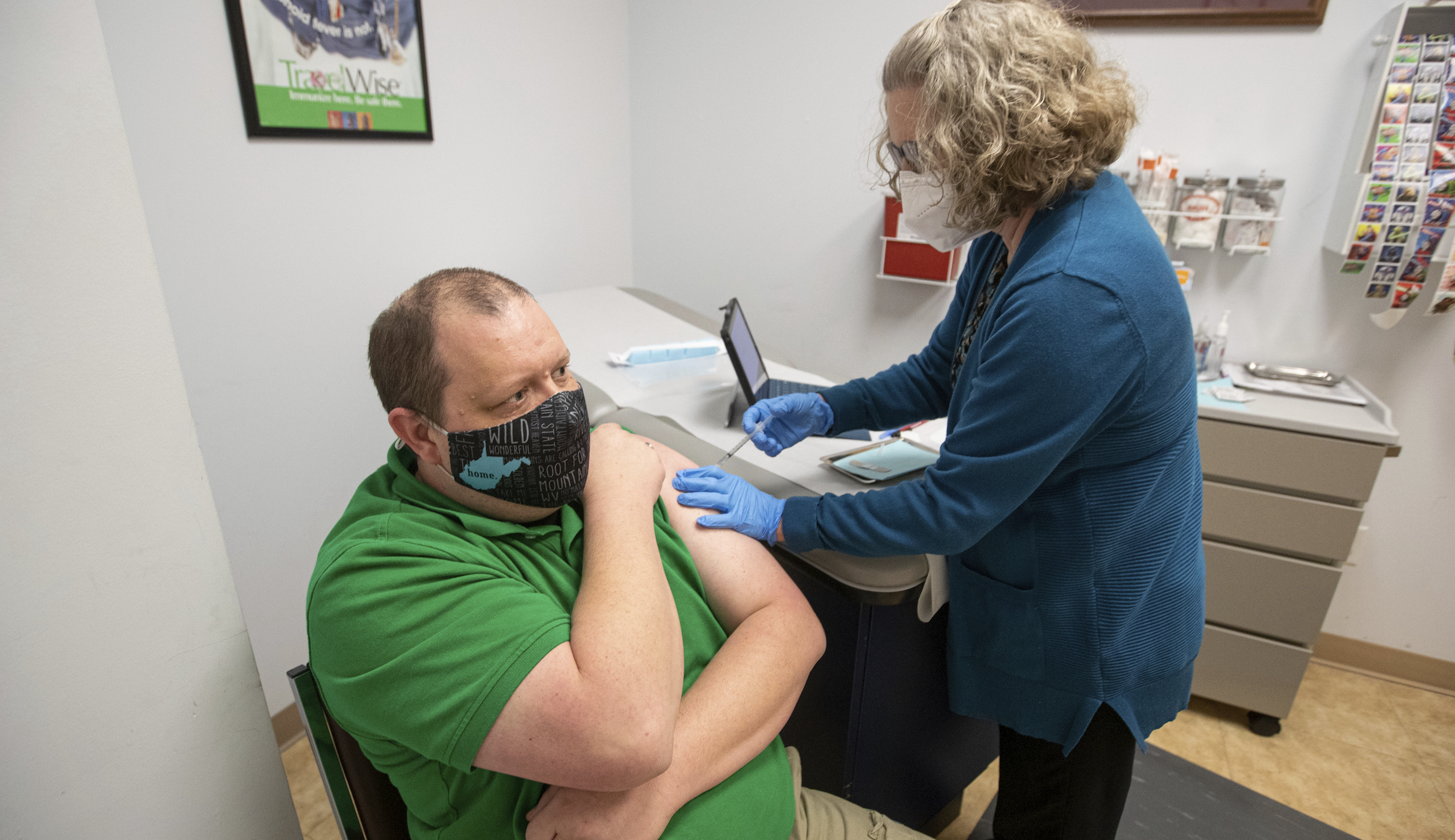
MORGANTOWN, West Virginia — It’s a matter of trust — and as of now, the number of West Virginians willing to trust the science behind the COVID-19 vaccine is still pretty low.
In a few months, the Mountain State has gone from being nationally envied to having one of the worst vaccination rates in the nation.
Recommended Stories



Before the shift, West Virginia was heralded for its ability to effectively distribute the vaccine. West Virginia outpaced nearly every other state and became a remarkable example of efficiency with its ability to cut through bureaucratic red tape. The stakes were undoubtedly high: Residents in West Virginia are among the oldest and least healthy in the country.
“West Virginia is about at the top of the charts,” Dr. Mark McClellan, a former commissioner for the U.S. Food and Drug Administration, said earlier this year. “We need to get more states to the point that they have the vaccination capacity of West Virginia.”
But then it all changed, and the number of people willing to get the vaccine plummeted. The epic fall once again cast a negative light on West Virginia’s ability to protect its own people during a public health crisis.
“In my opinion, the fight is more around politics than it is health,” Juliana Claudio, a resident of West Virginia and owner of Arts & Antiques Marketplace, a mixed-use retail space in Fairmont, told the Washington Examiner. “There has been so little research done, and FDA approval normally takes years. I’m in full support of my grandparents and people at risk getting it, but I am a young individual and should have the option to take it. Based on CDC statistics, my chances of dying are 0.004%. According to CNBC, we’ve seen that 78% of hospitalizations, not even deaths, are people that are overweight or obese.”
WHO’S WHO: NEW COVID-19 ORIGINS TEAM INCLUDES FAMILIAR FACES
Claudio said she’s also skeptical about how dangerous the virus really is and questions whether some medical experts are hyping up warnings.
“If the average person, or even the homeless population, were dying at a rapid rate like they did for polio or the Spanish influenza , you wouldn’t have to convince people to get the vaccine because people would be scared for their lives,” she said. “I feel we still don’t know enough about the vaccine, let along COVID itself. I think the government would be infringing on people’s basic constitutional rights should they force people to get it.”
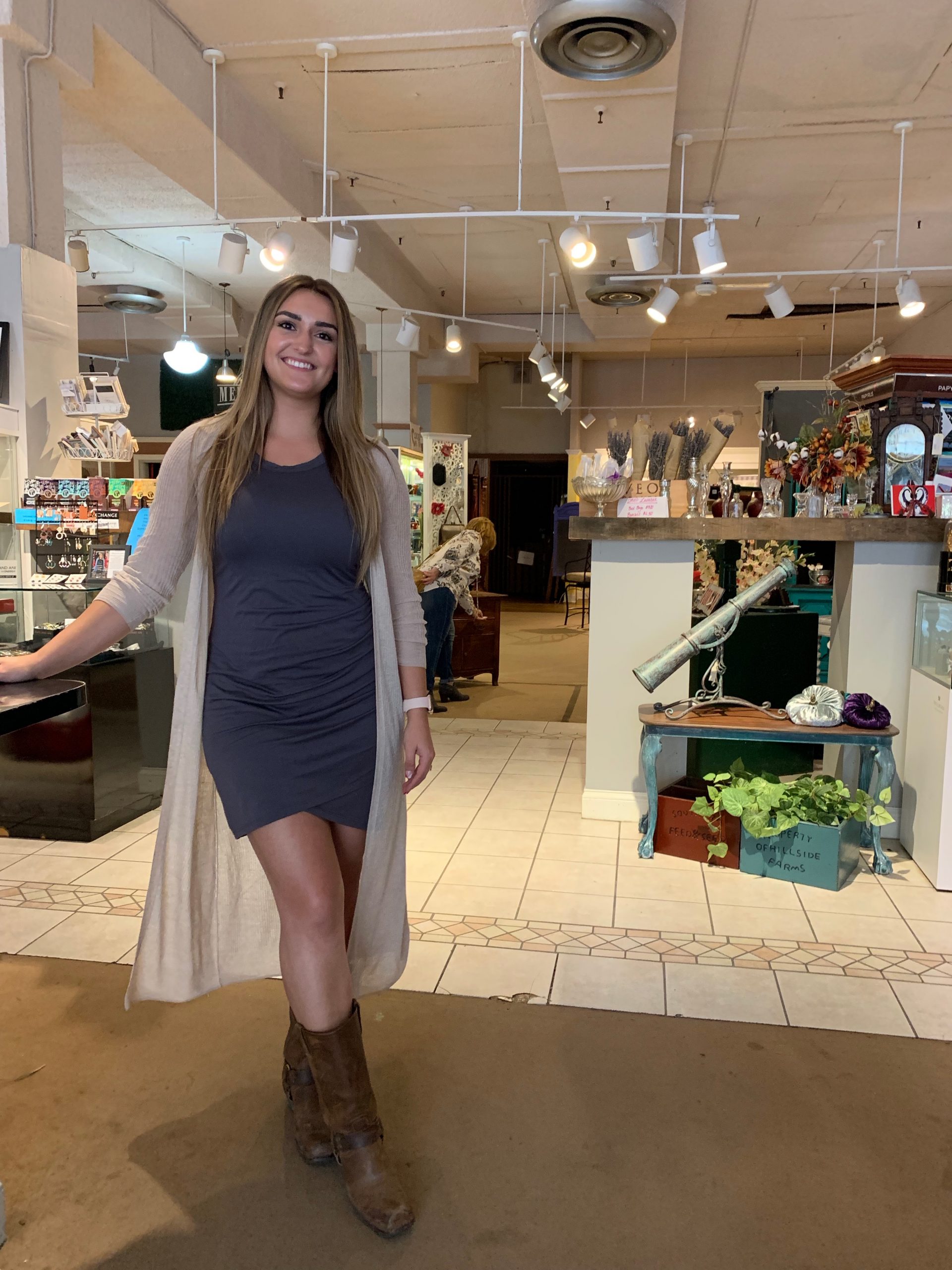
Claudio told the Washington Examiner that the state needs to diversify and not rely solely on one industry.
“I swear I am right in the middle, but people tend to think that because I don’t think you should mandate the vaccine, that I am a right-wing conservative. This proves that this is a political topic. It’s unfair to keep people in a box simply because they have a certain view on one topic,” she said.
Lauren Schroeder, who was grabbing hot dogs and ice cream with her family at the Dairy Creme Corner in Fairmont, told the Washington Examiner she’s anti-vaccination and proud of it.
“I’m not getting it, and they’re not putting it in my kids either,” she said. Her comments were met with scattered applause by patrons nearby.
“We don’t know what’s in it, and until we do, we’re not doing it,” she added.
The level of public distrust has been a growing concern for West Virginia’s medical providers and state officials.
Dr. Christopher Martin, a professor at West Virginia University and part of a medical committee that advises the state on COVID-19, says the recent vaccine hesitancy has been “very discouraging.”
“Vaccine hesitancy is really very interesting if you look at it historically,” he told West Virginia Morning. “We started inoculations for smallpox around the 1800s, and when you go back to that period, you will also see people were concerned about vaccines from the very beginning. We will never eliminate vaccine hesitancy. We must try and minimize it so we can maximize the number of people who are willing to be vaccinated.”
COVID CLUSTER OUTBREAKS COULD SIGNAL PANDEMIC IS NEARING THE END
Martin said he fielded numerous calls at the beginning of the vaccine rollout from other states and countries asking how West Virginia became so successful.
“Initially, we were really the envy of the world,” he said. “At one point, we would have ranked third in the world if we would have become a country, but then it started to plummet starting in the spring, and now, sadly, we are essentially at the bottom.”
Martin said part of the problem lies in the lack of transparency between medical professionals and residents. Another concern is the speed of social media in spreading misinformation.
“The problem is not a lack of information,” he said. “It’s people actively seeking out information that confirms their perspective. I think what we aren’t fully appreciating is that many people who are hesitant or outright opposed to the vaccine are not looking for balanced information, but they are specifically seeking out information that confirms their position.”
Martin said the medical community needs to understand how important trust is in acceptance of vaccines.
“At the end of the day, when you allow yourself to be injected by a substance, it’s going to be difficult, even for highly educated people, to fully understand,” he said. “When a person agrees to be vaccinated, the most important thing is that they need to trust that the person who wants them to be vaccinated is acting in their best interest.”
CLICK HERE FOR MORE FROM THE WASHINGTON EXAMINER
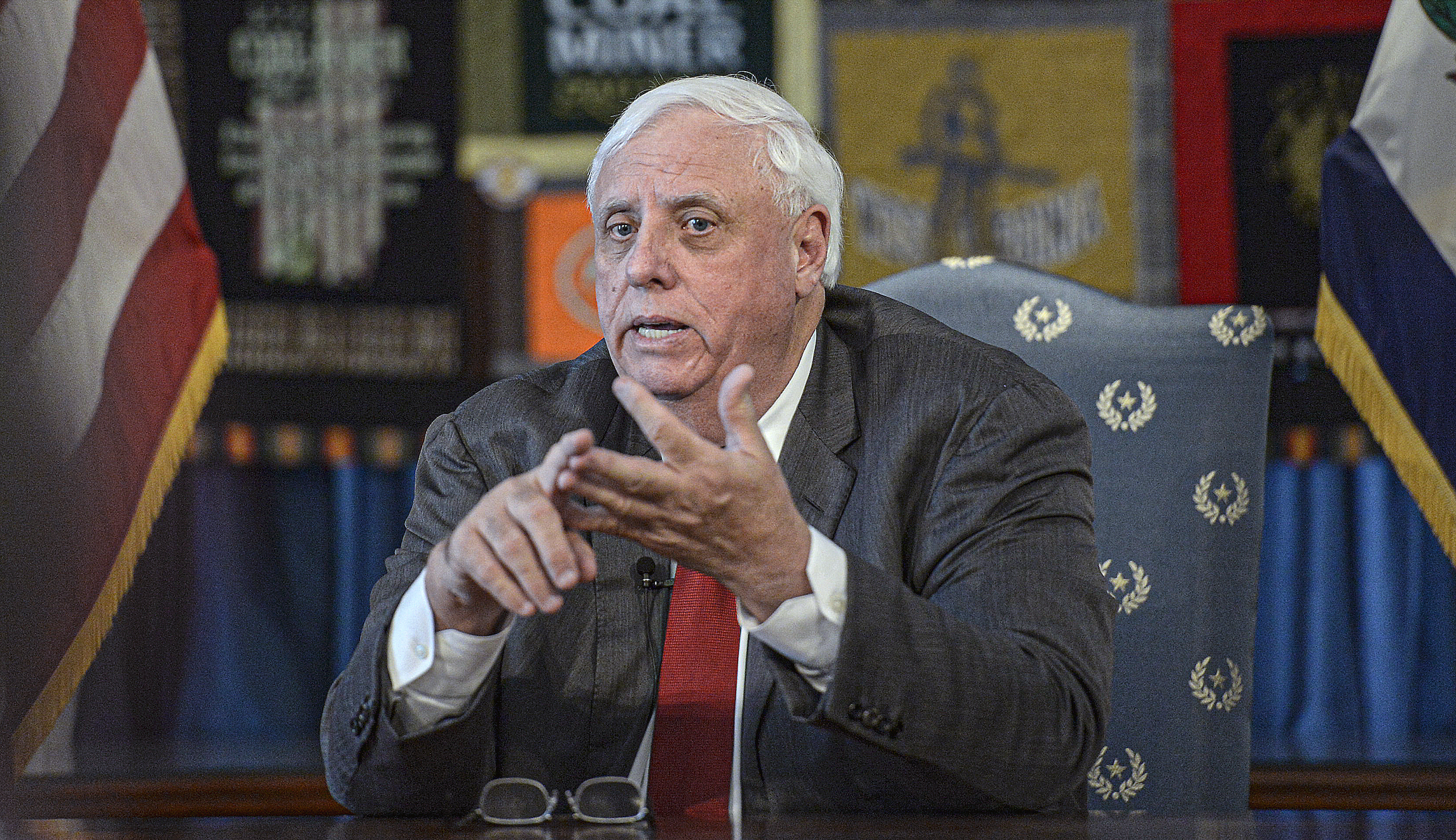
The frustration over vaccines has prompted West Virginia Gov. Jim Justice to get creative and issue incentives to getting the shot, such as $100 savings bonds and a free firearm. When that didn’t move the needle, he warned people, “We’re going to pile the body bags up until we reach a point in time where we have enough people that have natural immunities and enough people that are vaccinated.”
COVID-19 deaths in West Virginia passed the 4,000 mark this week. The state’s Department of Health and Human Services reported 50 COVID-19 deaths Thursday, taking the overall state total to 4,048 since the pandemic began. The active cases of COVID-19 jumped by 200 Thursday after 1,264 new cases were confirmed during a 24-hour period.
Still, there may be some hope on the horizon.
The upticks in new COVID-19 cases and hospitalizations are considered signs that the pandemic may be on its way out and shifting toward endemicity, some infectious disease experts said.
