

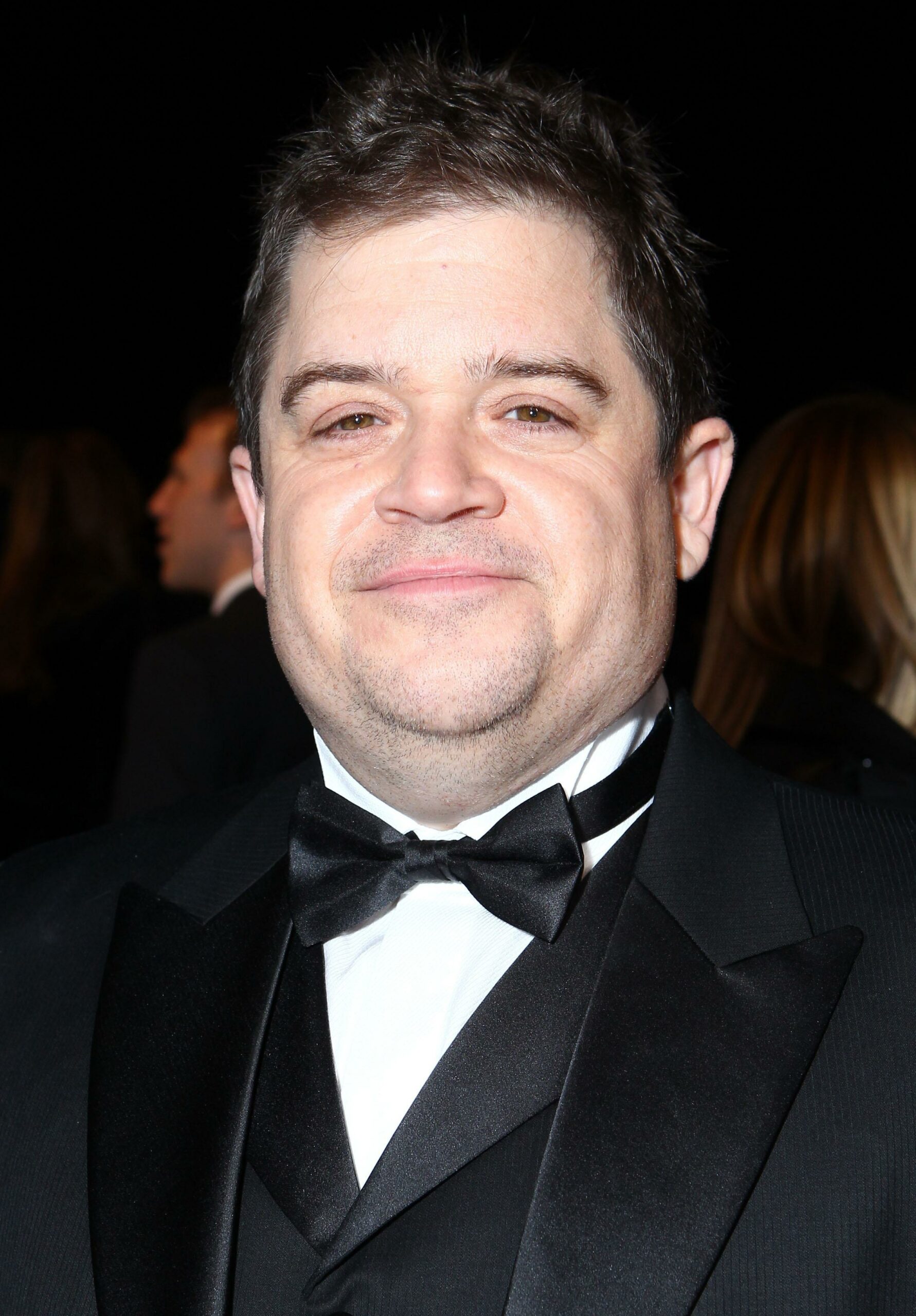
It’s bad form to act as if you’re certain to get an Oscar nomination — and worse form to complain about not getting one. But Patton Oswalt should be forgiven for committing this faux pas. He was just too entertaining in doing so. Observers thought the comedian had a good chance of scoring a best supporting actor nod for his serious turn in “Young Adult.”
But Oscar passed Oswalt over, instead giving nominations in the category to two actors who weren’t expected to get them: Jonah Hill for “Moneyball” and Nick Nolte for “Warrior.”
So Oswalt took to Twitter, addressing his comments to Albert Brooks, who was expected to get a nomination in the same category for his ugly mobster in “Drive,” but didn’t.
“Join me for a drink at The Drawing Room, @AlbertBrooks? Me and Serkis have been here since 6am,” he began, referring to Andy Serkis, who wasn’t nominated for his touching work in “Rise of the Planet of the Apes.”
“See you later tonight. Might be out of booze — Serkis has Pogues on the jukebox & Fassbender just showed up in a pirate hat,” he continued.
Oswalt mentioned one actor whom everyone thought was assured a nomination — and should have gotten one. Michael Fassbender gave us a number of impressive characterizations this year: in “Jane Eyre,” “X-Men: First Class,” and “A Dangerous Method.” But no performance — by any actor — was as brave as his work in “Shame.” Yet he was snubbed in favor of the already-decorated George Clooney phoning it in for “The Descendents” and the surprise nomination of Demian Bichir for “A Better Life.”
One film had two deserving actors receive no recognition. Every critic this year was talking about the newbie Elizabeth Olsen’s astonishing work in “Martha Marcy May Marlene.” She wasn’t nominated, though. Neither was John Hawkes for the same film, even though he deserved a spot in the supporting actor category — he’s one of our best actors who isn’t a household name.
So why did three of the best performances of the year not make the cut? One can’t read the minds of Academy voters. But it’s striking that both films deal with shocking material. “Shame” centers on a man who (unsuccessfully) uses casual sexual encounters to fill a hole in his soul. “Martha Marcy May Marlene” tells the story of a woman who’s just left what is, for all intents and purposes, a cult, and has trouble manifesting normal sexual behavior because what the leader played by Hawkes has ingrained in her is all she knows.
It’s a shame if those giving out Hollywood’s most prestigious awards are, in this day and age, too cowardly to honor work on the cutting edge. There is nothing sensationalistic about these two masterful films. What is outrageous is that colleagues of these great actors have refused to give credit where credit is due, instead handing out more nods to favorites who didn’t do anything extraordinary this year.
Kelly Jane Torrance is the Washington Examiner movie critic. Her reviews appears weekly and she can be reached at [email protected].
