

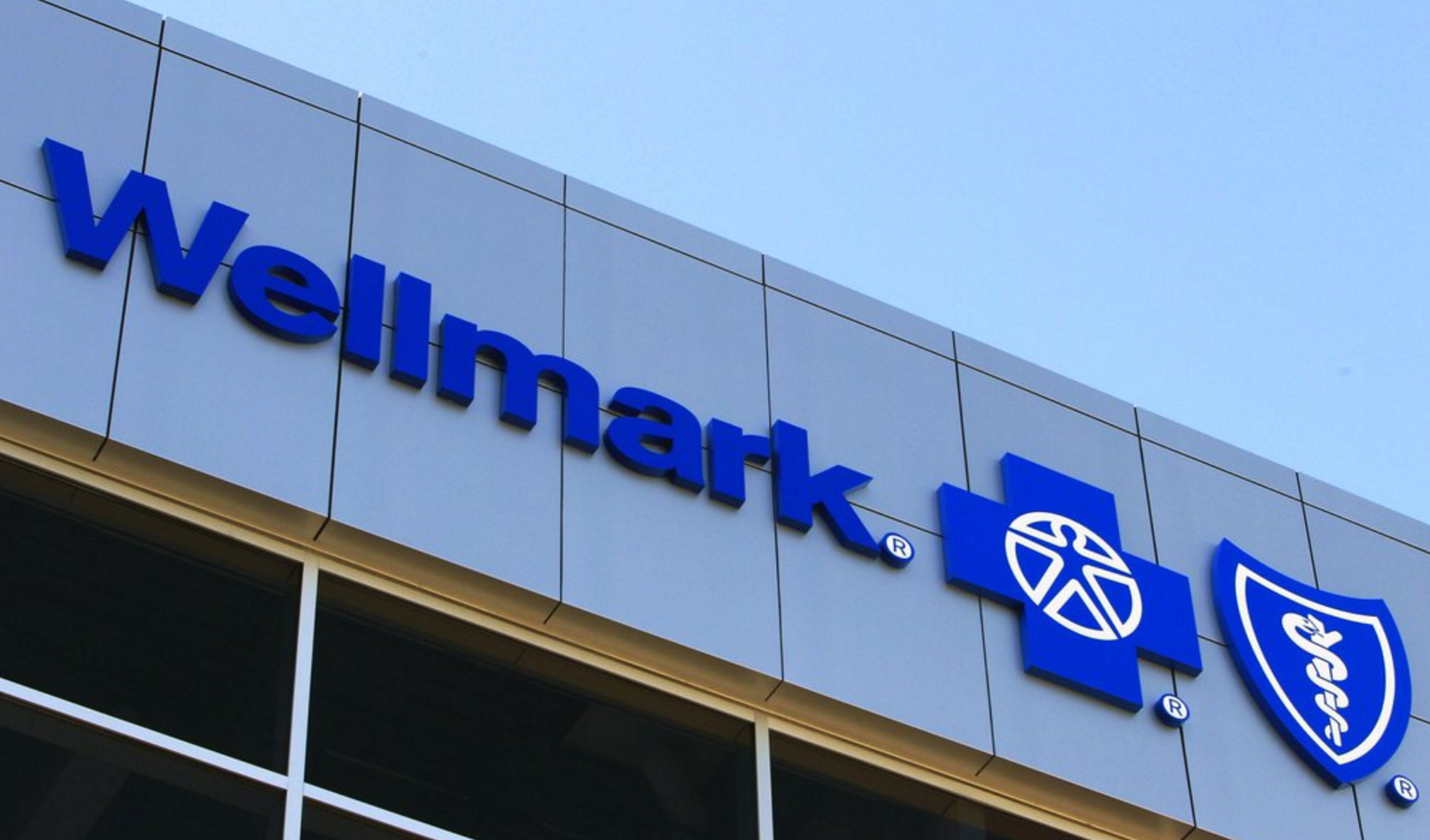
Health insurer Wellmark Blue Cross Blue Shield is leaving the door open to selling plans on the individual market in Iowa in 2018, after publicly announcing in April that it did not plan to participate in the exchange.
In an editorial in the Des Moines Register titled “How we can re-enter Iowa’s individual market in 2018,” John Forsyth, the company’s chairman and CEO, said that after making its decision to exit the exchange the company immediately began working with federal and state officials. Forsyth said a more diverse pool of people was needed to sign up for plans, and called for incentivizing people to sign up for insurance during limited periods and to stay signed up for coverage. He also recommended additional funding, such as reinsurance to offset costs of particularly expensive customers, as well as more flexibility with the way healthcare plans are designed. “The ACA requires health insurers to provide coverage that does not meet the needs of many Iowans,” Forsyth wrote, referring to Obamacare. “Health insurance is not one size fits all. We need the ability to design plans that are innovative, easy to understand and offer even more transparency.”
Recommended Stories


Wellmark announced its decision to exit the exchanges for 2018 because it has lost more than $90 million in the exchange in Iowa so far, and other insurers have also suffered losses.
“This is not acceptable or sustainable,” Forsyth wrote.
It was unclear from the editorial whether Wellmark was considering re-entering the exchange in the state. When asked for clarification, spokeswoman Teresa Roof replied: “Our decision will depend on if the existing protections mentioned in the editorial are in place and if all three principles are true – no decision has been made but we are committed to being a part of an Iowa-based solution.”
The future of Iowa’s exchange is facing troubles. The state has had too few young, healthy people signing up for coverage under the Obamacare exchanges, while a disproportionate number of customers with chronic illnesses have signed up. Aetna announced its intention to pull out next year, along with other states it participated in this year, and Medica has asked for a list of changes but has not made a final determination.
Insurers are facing uncertainty for next year because they do not know what a repeal and replace bill for Obamacare will look like and are uncertain to what extent the Trump administration will continue to enforce the current healthcare law.
In his piece, Forsyth listed the Obamacare provisions that he believed should remain unchanged under repeal and replacement efforts by Republicans in Congress, including that protections for people with pre-existing illnesses should remain in place, adults should be allowed to remain on a parents’ plan until age 26 and that federal assistance to premiums should continue.
He also said that Iowans who bought a plan before Obamacare should be allowed to keep it, a move that some analysts have said is preventing more people from signing up for the exchanges and adding to an unbalanced risk pool. Such “grandmothered” plans can be less expensive than the Obamacare offerings for those who don’t qualify for subsidies, and are likely keeping healthier customers outside of the exchange.
