

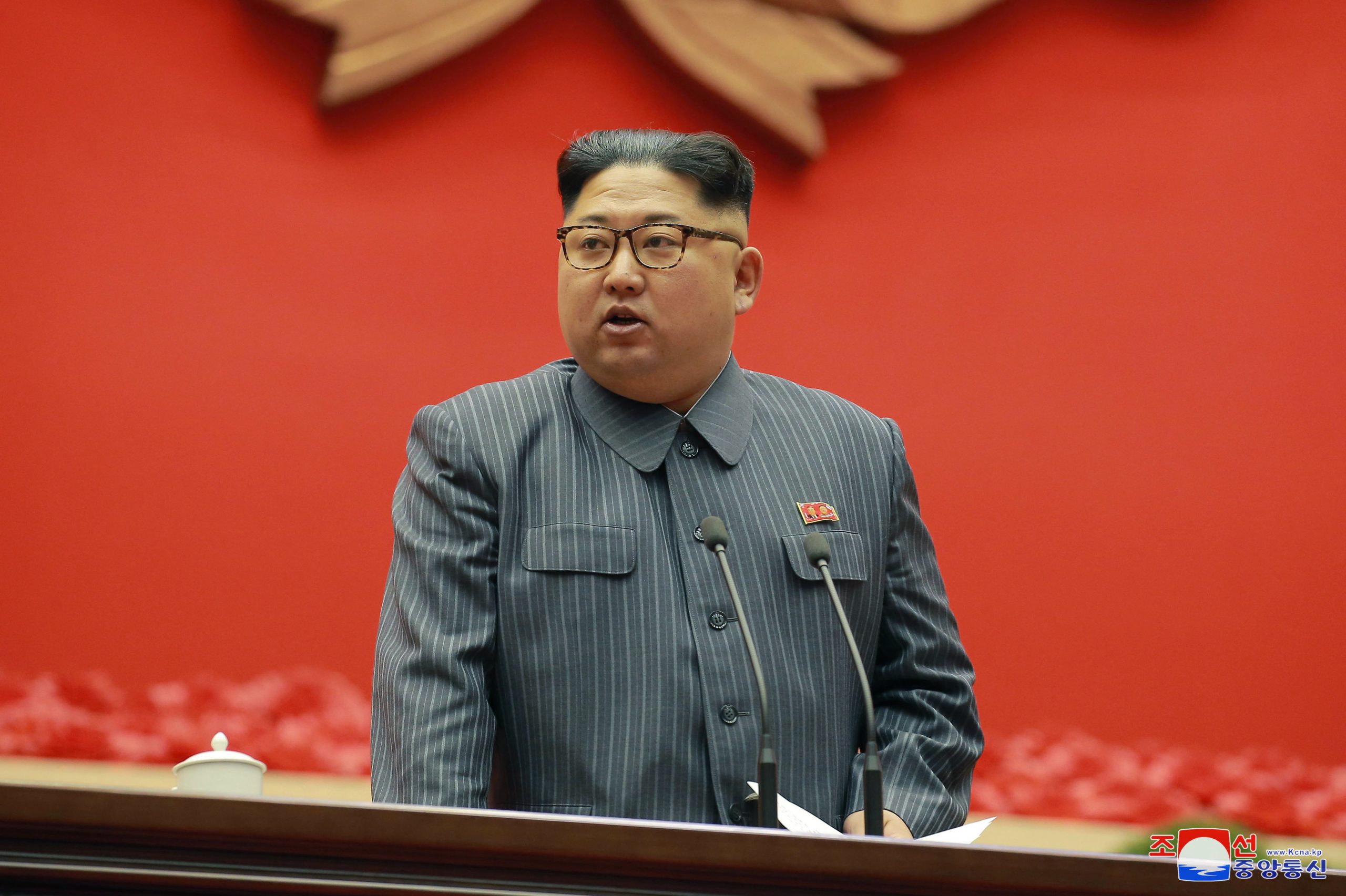
North Korean dictator Kim Jong Un may visit Russia for meetings related to the brewing nuclear crisis, according to Moscow officials.
“Things are currently under consideration, but it is possible to say that the visit is an immediate prospect,” Foreign Ministry spokeswoman Maria Zakharova said Thursday.
Recommended Stories



That announcement follows on the heels of Kim traveling to Beijing to meet Chinese President Xi Jinping, in a rare public foray out of his country. The meetings are apparent attempts to shore up the North Korean dictator’s position with two key regional players in advance of an as-yet-unscheduled meeting with President Trump.
“We believe any activity that may ease tensions on the Korean Peninsula should be welcome,” Zakharova said.
Kim has surprised Western powers with a series of diplomatic moves, first by offering to meet Trump face-to-face — an invitation accepted, in principle, in early March — and then heading to China.
“What is happening now is beyond what the (government) has been predicting and (Seoul) will need to keep an eye on the situation with all possibilities in mind,” South Korean presidential press secretary Yoon Young-chan said Wednesday.
Kim is trying to gain leverage in any eventual meeting with Trump, according to analysts, by rehabilitating a relationship with China — which has been a historic patron of the North Korean regime, even as the nuclear weapons program advanced — and strengthening ties with Russia.
“Kim probably realized that if he was going to meet directly with the United States, he needed Beijing’s support in that meeting to gain some sort of leverage in those discussions,” Georgetown University’s Oriana Skylar Mastro told Vox. “Both countries are not very good at changing each other’s preferences, but they are very good at coordinating once they both want the same thing.”
Both Russia and China formally oppose North Korea’s development of nuclear weapons and ballistic missiles. And yet, while they have voted for international sanctions to punish the regime, they’ve implemented those sanctions unevenly and provided other economic lifelines to North Korea. And all three countries favor a diminution of the U.S. military presence in the region.
“We consider equal and mutually beneficial contacts between countries as an important aspect of international relations,” Zakharova said Thursday.
