

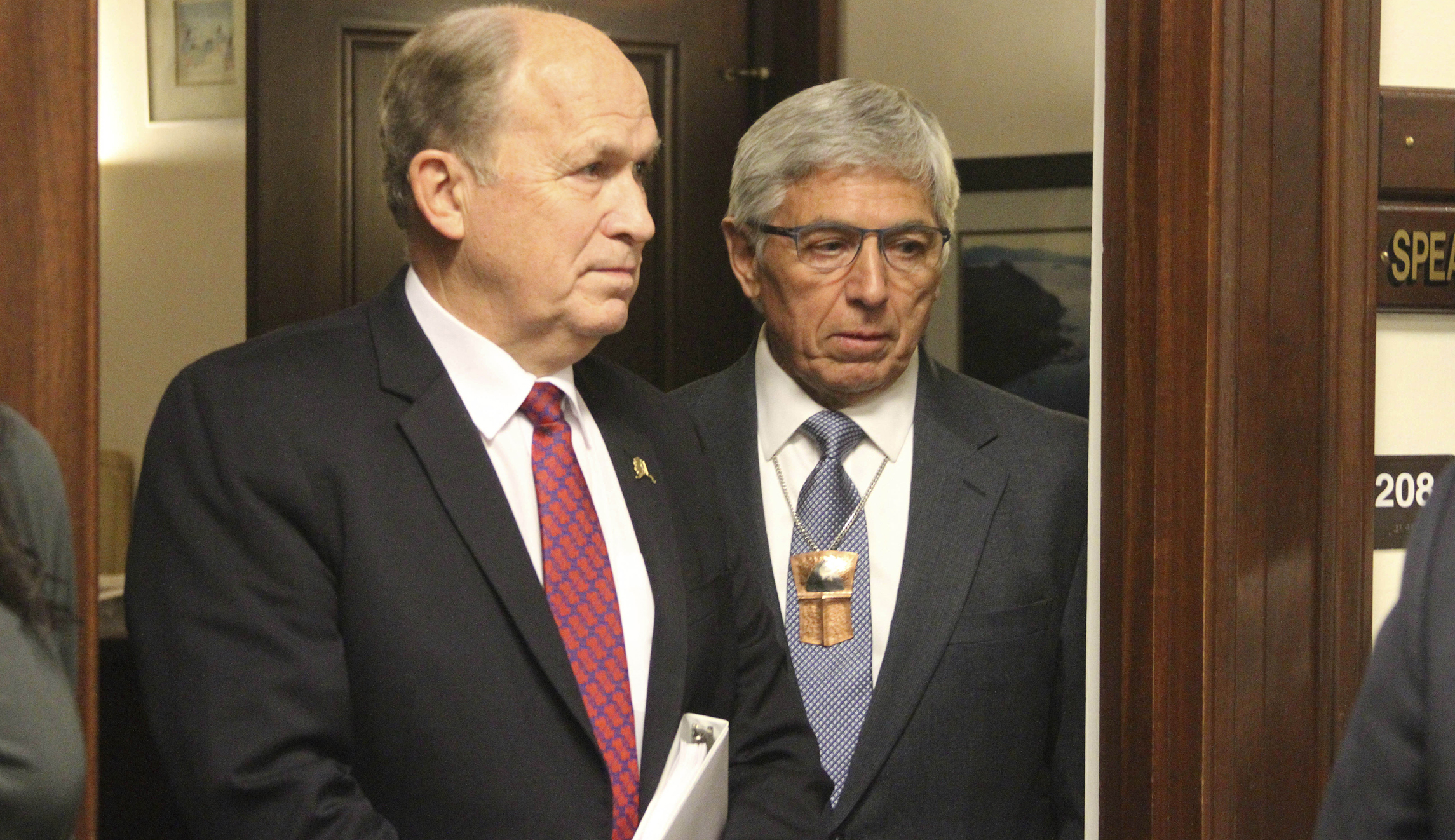
Alaska’s governor and lieutenant governor have come out against Brett Kavanaugh’s nomination to the Supreme Court, a move that could put pressure on Alaska’s Republican Sen. Lisa Murkowski to oppose him as well.
Gov. Bill Walker and Lt. Gov. Byron Mallott, both independents, said in a joint statement that Kavanaugh’s confirmation would pose “risks” to aspects of the country’s healthcare and labor laws given the sexual assault allegation lodged against him.
“Mr. Kavanaugh’s record does not demonstrate a commitment to legal precedent that protects working families,” they said.
Recommended Stories


[Related: Democratic Sen. Claire McCaskill to vote against Brett Kavanaugh]
Murkowski is seen as a crucial vote on the nomination, as Democrats have argued that Kavanaugh could tip the Supreme Court against women’s right to an abortion. Murkowski has not yet said whether she intends to support or oppose Kavanaugh’s nomination.
The two leaders from Alaska said their administration has made expanding access to affordable healthcare and “protecting the rights of working Alaskans” among their top priorities. Walker and Mallott also warned that if confirmed, Kavanaugh could jeopardize laws including the Indian Child Welfare Act and the Alaska Native Claims Settlement Act, among others.
They said those laws could be at risk because of Kavanaugh’s “overly narrow view of the relationship between federal and tribal governments.”
The governor and lieutenant governor further called for a review of an allegation of sexual assault leveled against Kavanaugh to occur because the Senate votes on his confirmation.
Kavanaugh’s accuser, Christine Blasey Ford, said Kavanaugh sexually assaulted her when the two were in high school during a party at a house in Maryland. Kavanaugh has categorically denied the allegation.
“Violence against women in Alaska is an epidemic,” Walker and Mallott said. “We do not condone placing someone into one of our nation’s highest positions of power while so many key questions remain unanswered.”
