

When a movie “opens cold” — Hollywoodspeak for “not being screened for critics before release” — it usually means one thing: The film isn’t any good. Reviews are free publicity, after all. A studio is only going to pass that up if it believes the reviews will be overwhelmingly negative. It can give up the opportunity for extra buzz, particularly, when the film is likely to get an audience without word-of-mouth — if it’s, say, a sequel to a popular film or headlined by a major star.
But the story might be more complicated for the next movie that will open cold: “Star Wars: Episode 1 – The Phantom Menace 3D.”
The first “Star Wars” film to be converted to three-dimensionality will arrive in theaters this Friday. And critics won’t have a chance to check it out first and tell fans what to expect.
Fans, of course, are already divided over the film — even though they haven’t seen it yet. Director George Lucas announced that he would convert all six of the “Star Wars” movies into 3D, starting with “Phantom Menace,” the 1999 film that is the first in the saga’s chronological order, but the fourth to be made. Eventually, the 1977 original will return to theaters in 3D as well.
The first three movies — “Star Wars” was followed by “The Empire Strikes Back” in 1980 and “Return of the Jedi” in 1983 — are modern classics, beloved by a generation. The three prequels — “Phantom Menace” was followed by “Star Wars: Episode II — Attack of the Clones” in 2002 and “Star Wars: Episode III — Revenge of the Sith” in 2005″ — aren’t as popular among fans. (“Phantom Menace” introduced the unfortunate character of Jar Jar Binks.) But they’re still an important part of the “Star Wars” universe. So touching them in any way was bound to stir up controversy.
But Lucas can’t help himself — he’s never been able to let the films go. The added dimension isn’t the only difference this theatrical “Phantom Menace” will have from the one that showed in theaters in 1999. Lucas already made changes to the film when it was released on Blu-ray last fall, adding some scenes and changing others.
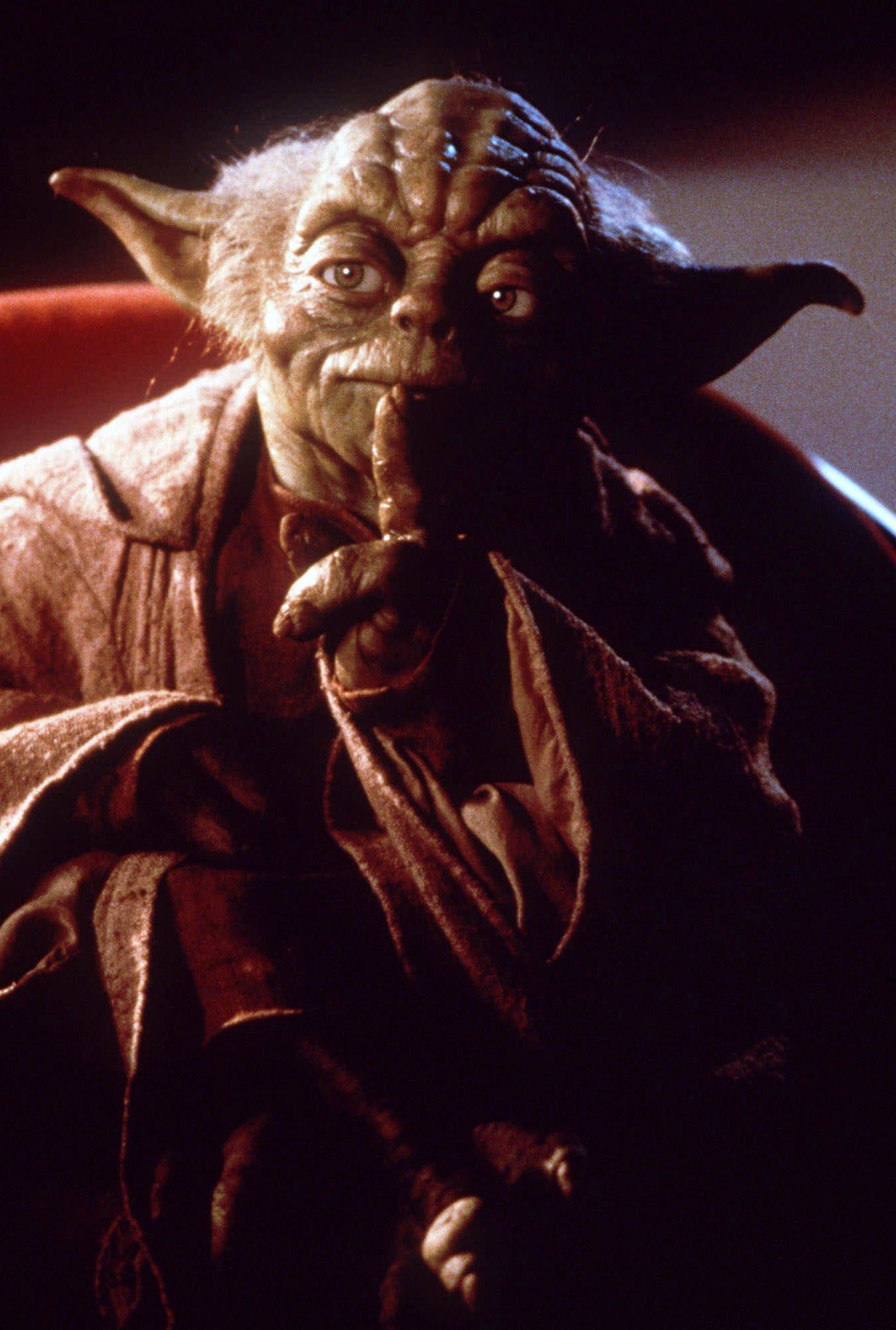
The most noticeable difference might be in the two versions of Yoda. In the original “Phantom Menace,” the enigmatic creature was, as in the original trilogy, a puppet. Now you’ll see a digital Yoda in the film — just like the Yoda in the last two films. The special effects weren’t yet good enough in 1999 to make a digital Yoda realistic; now they are.
Trailers indicate some other changes made just for 3D. A pod crash is messier, allowing more pieces to jump out at viewers from the screen.
As anyone who’s ever done anything creative knows, it can be hard to let a piece of work go. You can always think of a way to improve it. But if you don’t eventually move on, you’ll have created only that one thing.
Lucas’ inability to let his six films go might be why he’s such a big-name director with so few works to his name. He’s only directed six films — the original “Star Wars,” the three prequels, “American Graffiti,” and “THX 1138.” He’s written many more, of course. But who knows what else he might have created had he let “Star Wars” stand as it was, loved by millions? He created one world in those films; he might have imagined and brought us even more.
Kelly Jane Torrance is The Washington Examiner movie critic. Her reviews appear weekly and she can be reached at [email protected].
