

INDIANAPOLIS — In this 2012 election year, voters will be heard as they cast ballots for U.S. president. In Indiana, voters also could determine whether the Hoosier state will limit the power of private unions in the workplace.
This is the goal of Indiana House Democrats, but they are stumped and for some, a $1,000 poorer.
The Democratic amendment to House Bill 1001, commonly referred to as the right-to-work measure, proposed placing the bill to a state referendum, but Indiana law only allows local governments to have referendums.
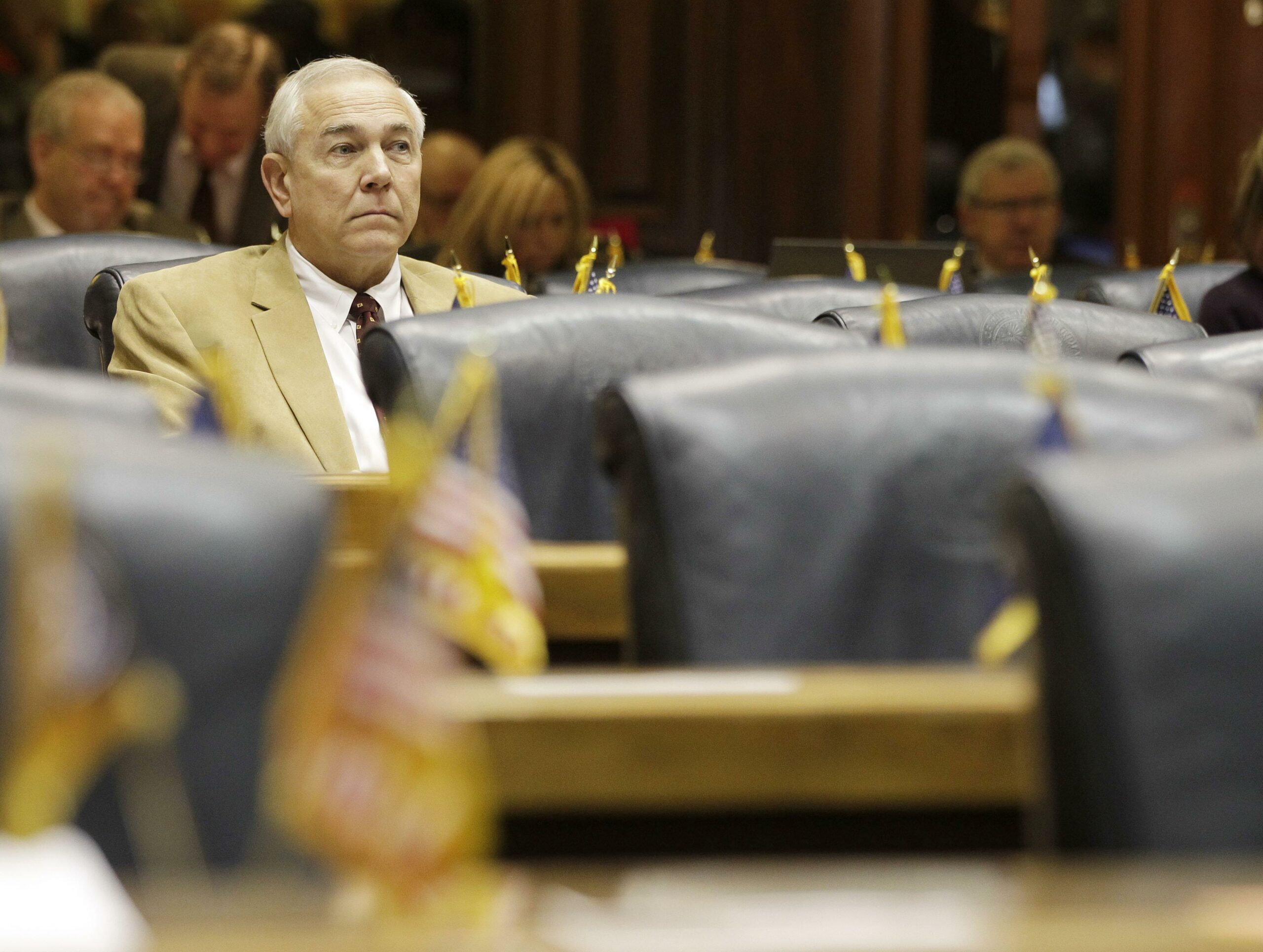
In response, more than 30 House Democrats did not return to the floor Wednesday, spending the day working on the amendment.
House Minority Leader Pat Bauer, D-South Bend, said his caucus has no plans to show up on the floor until the amendment is ready to be presented. The House is scheduled for a floor session today.
Bauer said if it takes waiting until after the Super Bowl to get the amendment legally ready, then he will wait. Indianapolis is hosting Super Bowl XLVI on Feb. 5.
In response to Democrats leaving the chamber, House Speaker Brian Bosma, R-Indianapolis, imposed a $1,000 daily fine on each 33 House Democrats who did not attend the floor session. Forty Democrats sit in the House.
The Democrats “just need to get here and do their work,” Bosma said. “We can only do what we can do here, and that is to impose fines on them while they absent themselves from the people’s business.”
The House cannot conduct business without seven Democrats present to make up the two-thirds of membership required for a quorum.
Wednesday was the sixth day this month that House Democrats skipped sessions and the first day fines were imposed.
HB 1001 would allow workers who work in union shops to opt out from paying union membership fees.
Right now, the state requires non-union members to pay fees. If the bill is passed, it would be illegal to force non-union members to pay.
After the referendum amendment turned into dud Tuesday, Democratic lawyers met with lawyers to figure out how the right-to-work bill could go to voters.
Bauer said one possible revision to the amendment involved local governments having their own referendums on the bill.
Mary J. Cristobal covers government and politics for Statehouse News Online, which is owned by the Franklin Center for Government and Public Integrity.
