

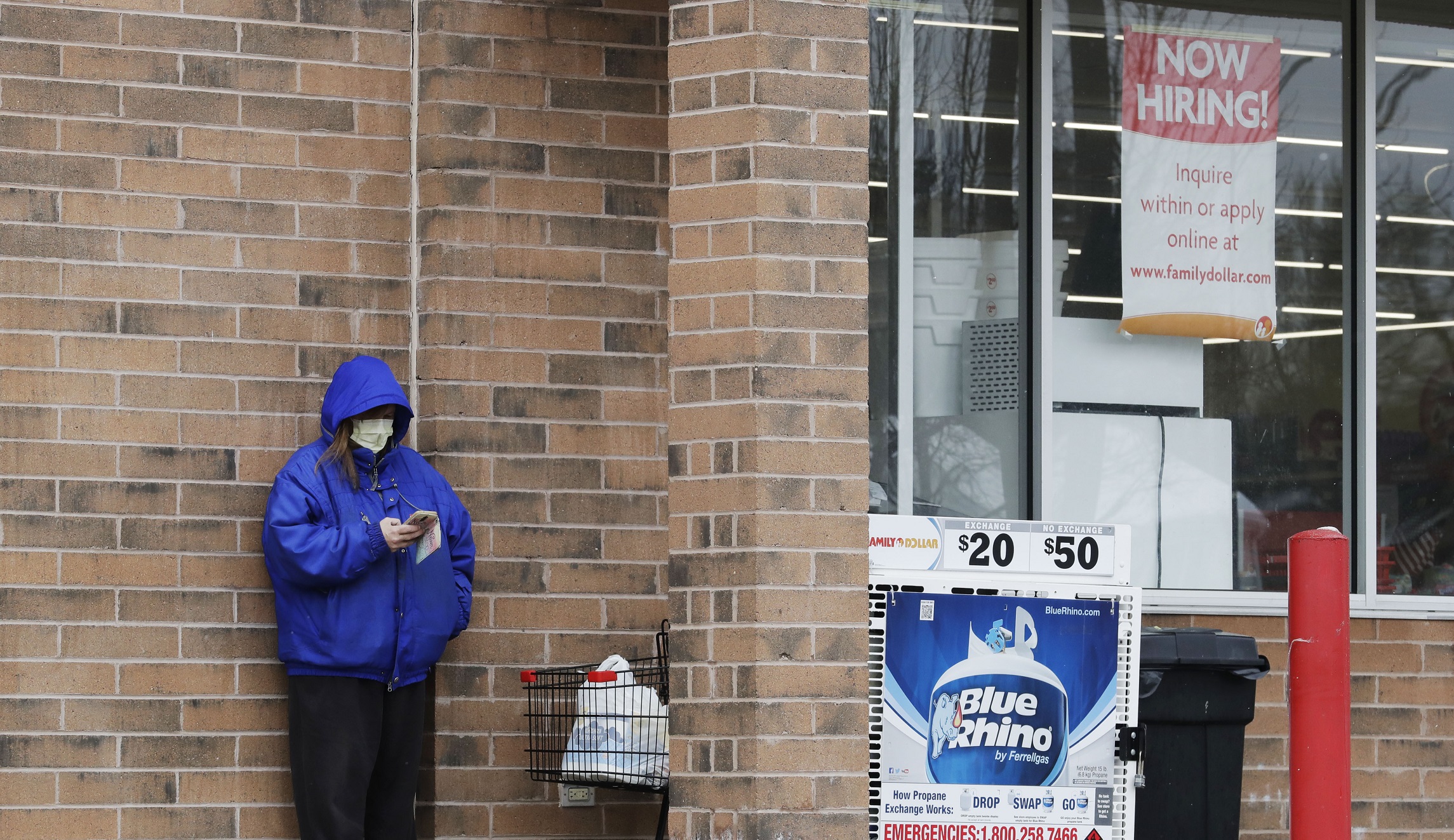
Last week, the CARES Act’s SBA-administered Paycheck Protection Program loans, at least temporarily, reached its funding limit. While Congress debates and considers its options regarding this program and other COVID-19 responses, states can and must step in to act in support of small businesses. They can do so by holding businesses harmless on their unemployment taxes for layoffs they likely would not have made otherwise.
Government measures taken to try and lower the rate of new infections are tough, but important. They have also had predictable and devastating economic consequences, including business closures and layoffs. As a result, millions of people have filed new unemployment claims in recent weeks.
Recommended Stories

While we work on solving the COVID-19 crisis, we must have a plan in place to kick-start the economy when the immediate danger abates. We must create an environment where people can get back to work, and businesses can rehire employees they likely did not want to let go in the first place.
This solution is simple but can have a major benefit. At some point, the states and federal government will decide to end their declared states of emergency. On that date, businesses would have 30 days to extend formal offers to rehire laid-off workers at similar or identical titles and pay under this proposal. If the business extends an offer to 85% (or another suitable amount) of its laid-off workers, and successfully rehires a majority of those offered, then they will not suffer an increase to their experience rating for unemployment taxes. Since an employer’s experience rating is based on their willingness and ability to retain workers, the unique circumstances of the COVID-19 outbreak should not be held against them.
This solution does not compete with current remedies. Congress and the Trump administration have cooperated on federal solutions to reduce individuals’ economic pain from this outbreak, including the above-referenced SBA program. However, even federal resources are limited. Further, even if additional stimulus packages pass, some businesses may or may not have the time, resources, or sophistication to participate. An automatic remedy like holding businesses harmless on their unemployment taxes would benefit companies and, more importantly, unemployed workers, across the board.
This solution is fair. Businesses across the country suffered losses in revenue caused by mandatory changes in hours, reduced overall economic activity, or being shut down altogether. This is not their fault. After all, can one reasonably expect a pizza parlor to anticipate how it can continue operating in a global pandemic? Just to remain afloat, many employers cut ties with workers they would have otherwise kept on their payroll. This solution incentivizes and rewards rehiring, all while not punishing businesses for things largely out of their control.
This type of solution is not unprecedented. Recently, Connecticut Gov. Ned Lamont issued an executive order with similar scope and purpose, holding harmless businesses that were forced to lay off workers because of the pandemic, though without a rehiring requirement.
Holding businesses harmless will help get people back to work in jobs they’re already trained for at a time when a job is what they will need most. This has been hard not only on the economy but also on the individuals who drive it. We all know someone who has lost their job, had their hours cut, or has shuttered their business because of this outbreak. People are happier when they’re able to work and fulfill their potential, and this measure will help get people back to doing just that.
Opponents of this change might argue that holding businesses harmless hurts the funding for the unemployment insurance program. However, while it may slightly reduce the potential tax revenue going into the fund, it will also reduce the number of claims in the long run, as the business’s protection is contingent on people getting back to work. With state budgets hit hard by this period of increased unemployment, we should be supporting policies that get states back to normal sooner — and this one would help do just that.
This outbreak has been hard on people’s health, jobs, and welfare. Let’s put a plan in place to make sure businesses and their employees are not unfairly punished on top of it.
Joe Harvath is a senior fellow at the Foundation for Government Accountability.
