

As a researcher in the field of pain conditions and the chief medical officer of a company that manufactures prescription opioids, I recognize that we must balance the need to treat chronic pain severe enough to require opioids with ongoing efforts to address the deeply concerning opioid crisis and the impact it is having on families and communities across the country.
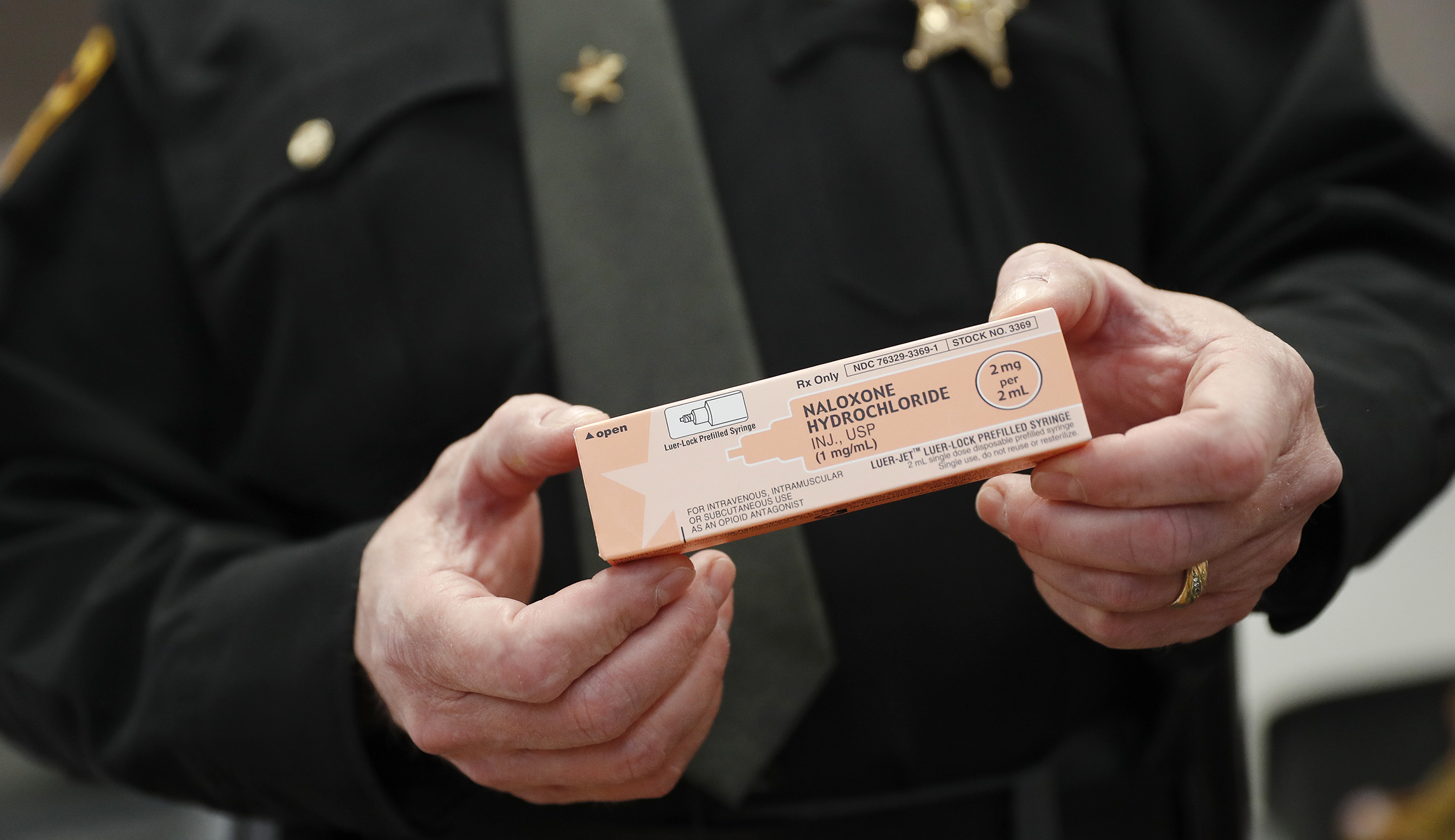
We at Purdue Pharma support the recent advisory by the U.S. Surgeon General emphasizing the importance of naloxone. And we recognize the efforts of other stakeholders, including pharmacies and payers, to increase access to this lifesaving intervention.
Recommended Stories


The opioid crisis is a complicated issue. Abuse and addiction are complex societal problems that have many determinants and risk factors. Opioid overdose deaths have continued to rise even though the number of prescriptions for opioid analgesics has decreased steadily over the past several years, with a 12 percent decline in 2017 — the largest annual drop in over 25 years. CDC attributes the continued increase in deaths to heroin and illicit fentanyl and its analogues.
We are committed to advancing the national strategy toward combating the opioid crisis, including supporting access to naloxone. We’ve done this by providing funding to the National Sheriffs’ Association, a nonprofit organization of law enforcement professionals. Our support enables NSA to offer naloxone kits and training free of charge to law enforcement agencies across the country. The NSA estimates that it has distributed nearly 3,500 naloxone doses to 21 states, trained more than 1,000 law enforcement officers and saved at least an estimated 175 lives since November 2015.
We need joint efforts and coordinated initiatives including supporting adoption of evidence-based guidelines for managing chronic pain, limiting the duration of first opioid prescriptions, improving the utility and increasing the use of prescription drug monitoring programs, requiring demonstrated competence for opioid prescribing, expanding access to medication-assisted treatment for opioid use disorder, and encouraging adoption of abuse-deterrent formulations of opioid analgesics.
Expansion of the use of naloxone is critical, due to its potential for saving lives. In addition to our work with law enforcement through the NSA, my company supports policies to facilitate availability of naloxone for use in the community. We advocate for appropriate civil immunity to persons aiding in a potential overdose situation (“Good Samaritan” laws) and we support the ability to obtain naloxone without a prescription.
Many factors contributed to the crisis, and many parties need to play a role in addressing it — manufacturers, insurance companies, doctors, regulators, distributors, educators, patients, and caregivers. While not a standalone solution, when used to revive a person who has suffered an overdose, naloxone can save a life and give the person who may be suffering a chance to enter treatment for opioid use disorder.
A problem of the magnitude of the opioid crisis cannot be addressed with a single method of intervention. Only multiple, overlapping efforts will drive positive change.
Dr. Marcelo E. Bigal is Chief Medical Officer for Purdue Pharma.
