

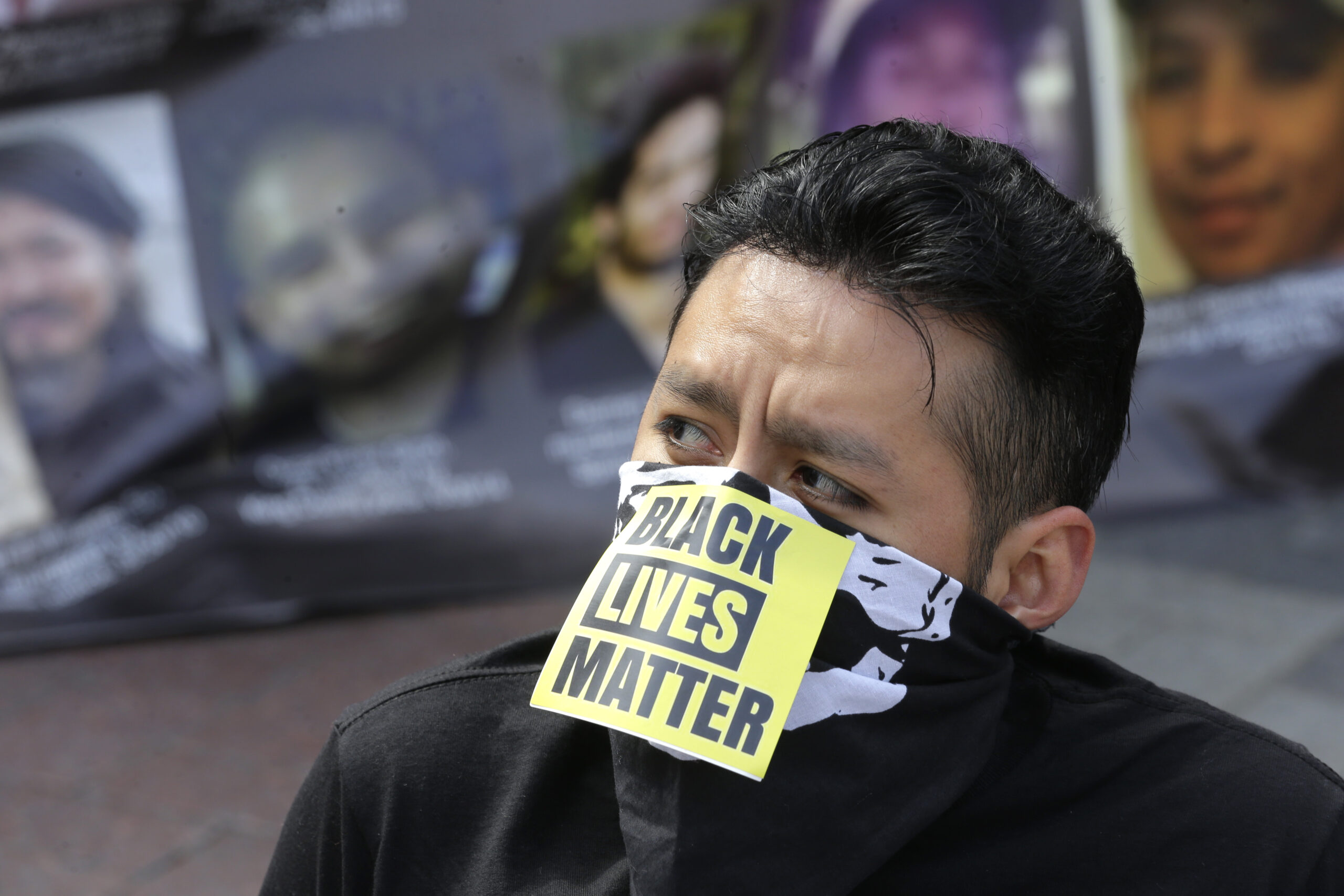
As I travel around the country and around my district there is a palpable sense of protest in the air, especially in the African-American community. From Moral Mondays in North Carolina to Fight for $15 in New York. From Ferguson, Mo., to McKinney, Texas. From Sitawa Nantambu Jamaa and the Pelican Bay Hunger Strikers to Chicago’s Fearless Leading by the Youth and the South Side Trauma Center. From #SayHerName to #ConfederateFlag.
It’s not hard to understand why. Forty-two percent of black children are educated in high-poverty schools. The unemployment rate for black high school dropouts is 47 percent (26 percent for white high school dropouts). Although African-Americans make up 13 percent of the U.S. population, they are 37 percent of the homeless. One in every 13 African-Americans of voting age is disenfranchised because of a felony conviction — a rate more than four times greater than the rest of the U.S. population.
Recommended Stories


African-Americans now constitute nearly 1 million of the total 2.2 million prison/jail population and are incarcerated nearly six times as often as white people. African-Americans face huge disparities in employment, income, wealth, death sentences, health, children living in poverty and a mind-numbing ongoing list of other categories.
And then there were these men:
- July 17, 2014: Eric Garner, New York, N.Y.
- August 9, 2014: Michael Brown, Ferguson, Mo.
- Aug. 11, 2014: Ezell Ford, 25, Los Angeles, Calif.
- Nov. 20, 2014: Akai Gurley, 28, Brooklyn, N.Y.
- Nov. 22: Tamir Rice, 12, Cleveland, Ohio
- Dec. 2: Rumain Brisbon, 34, Phoenix, Ariz.
- Dec. 30: Jerame Reid, 36, Bridgeton, N.J.
- Jan. 8, 2015: Artago Damon Howard, 36, Union County, Ark.
- Feb. 4: Jeremy Lett, 28, Tallahassee, FLa
- Feb. 15: Lavall Hall, 25, Miami Gardens, Fla.
- Feb. 28: Thomas Allen, 34, Wellston, Mo.
- March 1: Charly Leundeu Keunang, 43, Los Angeles
- March 6: Naeschylus Vinzant, 37, Aurora, Colo.
- March 6: Tony Robinson, 19, Madison, Wis.
- March 9: Anthony Hill, 27, DeKalb County, Ga.
- March 12: Bobby Gross, 35, Washington, D.C.
- March 19: Brandon Jones, 18, Cleveland, Ohio
- April 2: Eric Harris, 44, Tulsa, Okla.
- April 4: Walter Scott, 50, North Charleston, S.C.
- April 15: Frank Shephard, 41, Houston, Texas
- April 22: William Chapman, 18, Portsmouth, Va.
- April 25: David Felix, 24, New York
- May 5: Brendon Glenn, 29, Venice, Calif.
- June 15: Kris Jackson, 22, South Lake Tahoe, Calif.
- June 25: Spencer McCain, 41, Owings Mills, Md.
- July 2: Victor Emanuel Larosa, 23, Jacksonville, Fla.
- July 12: Salvado Ellswood, 36, Plantation, Fla.
- July 17: Albert Joseph Davis, 23, Orlando, Fla.
- July 17: Darrius Stewart, 19, Memphis, Tenn.
- July 19: Samuel DuBose, 43, Cincinnati, Ohio
- Aug. 7: Christian Taylor, 19, Arlington, Texas
- Aug. 21: Mansur Ball-Bey, St. Louis. Mo.
When Alicia Garza, Patrisse Cullors and Opal Tometi set up another twitter account and began using the hashtag #BlackLivesMatter, they joined that swelling stream of protest. They began something quite new, in the great 400-year tradition of the African-American struggle for freedom and equality, but now also for social and economic justice.
#BlackLivesMatter brought a new sense of urgency, audacity and outrage to the issue of police violence against black men that has made it impossible to ignore, to cover up or to justify. The question of accountability is now squarely and unavoidably before every police department, every prosecutor, every media outlet, every candidate for political office. #BlackLivesMatter has raised the bar in our national dialog: Addressing economic inequality is necessary but not sufficient. It is also necessary to directly confront racial injustice.
Women have always been leaders in the African-American community but have not always occupied leadership positions, nor have they always been properly acknowledged. #BlackLivesMatter has, if you will, gone where no man has gone before, with women and members of the LGBTQ community creating a new, inclusive leadership environment. #BlackLivesMatter has made fundamental contributions to our notions of communications, organizational structure, strategy and tactics through the use of new technology.
This new upsurge in activism offers hope, but it also reminds us how meaningful, fundamental social and economic change comes about. It’s messy, it’s complicated, it’s not a straight line from here to there, and there is always fierce resistance from those who may be benefitting, or perceive they are benefitting, from existing inequalities and injustices. We may have a sense of what direction we are going, but the path may not be clear or it may not even exist yet. We are all figuring it out as we go. The dynamism, experience, vision and commitment of #BlackLivesMatter is a powerful addition to that process.
Danny Davis is the U.S. Representative for Illinois’s 7th congressional district. Thinking of submitting an op-ed to the Washington Examiner? Be sure to read our guidelines on submissions.
