

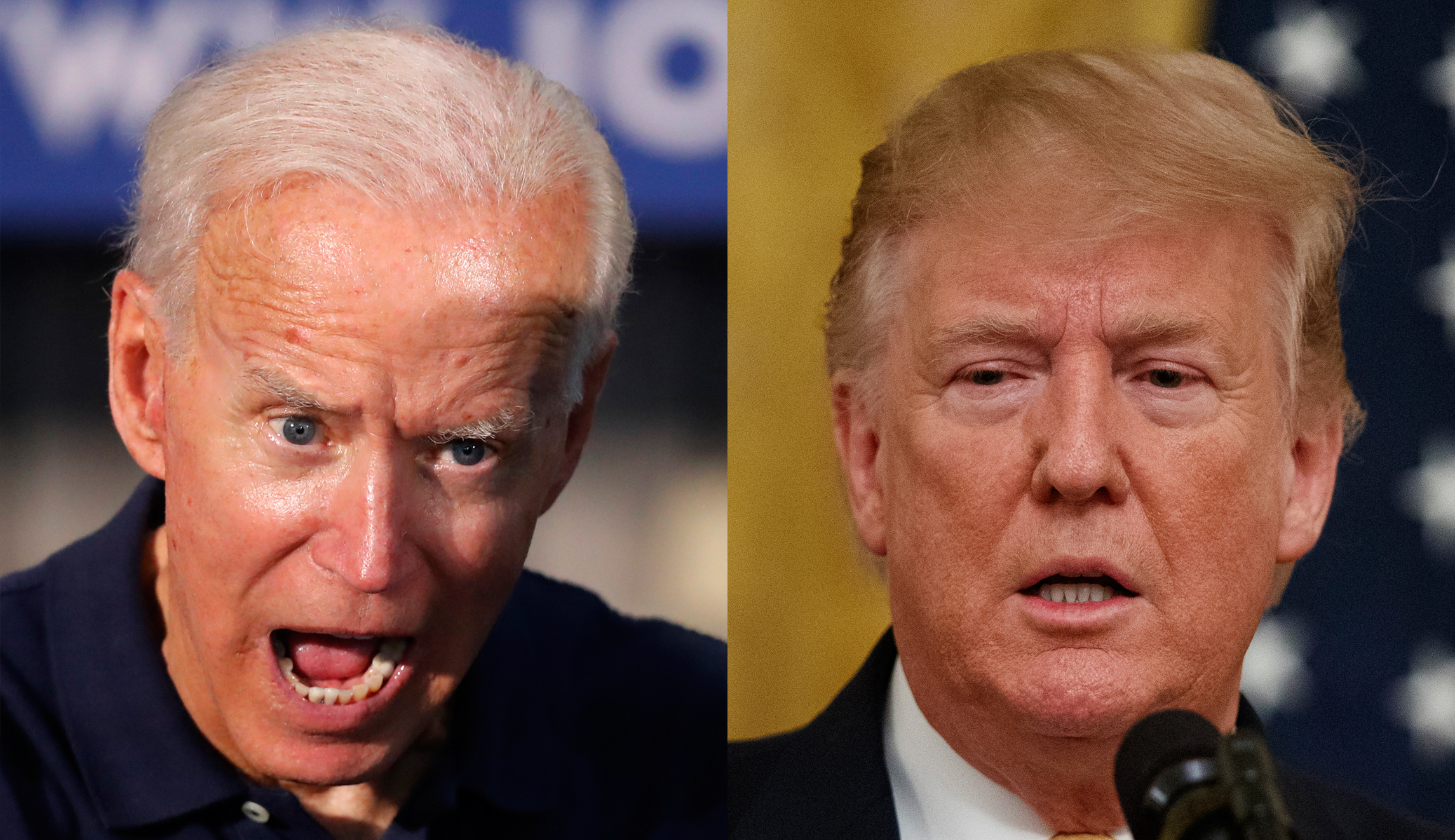
President Trump and former Vice President Joe Biden enter the second and final debate Thursday with two very different objectives. Biden seeks to continue to do just enough to do no harm.
Trump’s objective is more complicated for a variety of reasons. He is the incumbent. The tech giants that will livestream the debate, such as Twitter and Facebook, are on a censor-and-purge binge that is openly hostile toward him and conservatives. Much of the national press has forsaken its objective role, miserably failing to scrutinize Biden with the same vigor with which they scrutinize Trump. Finally, Trump is struggling in polls with the people he needs to vote for him — soft Trump voters who believe he has done badly on COVID.
Recommended Stories


Many voters who have moved away from Trump are nonetheless terrified of what Democrats will do with their money, their communities, and their culture. They become wary when they hear Kamala Harris chant, “Justice is on the ballot in 2020. Economic justice is on the ballot in 2020. Climate justice is on the ballot in 2020. Healthcare justice is on the ballot in 2020. Reproductive justice is on the ballot in 2020.” They want to see Trump flip the script — for him to admit that COVID was a rough patch for his administration, express a determination to fix the problem, and then insist that now it’s time to get the economy and the job market back on track.
These shaky voters are the first to say they trust Trump on the economy. They have benefited from it, their communities have benefited from it, their children and grandchildren will benefit from it. But they can only get there after they’re confident he’s taking COVID seriously.
There are plenty of suburban Republicans and seniors who have never voted for a Democrat for president yet are about to. And it has nothing to do with Trump’s tweets or comportment. They understood all along that that was who he was. They were at least willing to live with that.
But when Trump said, “Don’t let COVID dominate your life,” upon leaving the hospital, these voters bristled. Their children and grandchildren cannot go to school. Many of them are working from their dining room table alongside their kids’ schooling, unable to meet with clients for their businesses, unable to shop at the grocery store without a mask, unable to have Sunday supper with their extended families because of vulnerabilities. Their youth sports leagues are even canceled.
All COVID has done is dominate their lives.
For these frustrated center-right voters, many of them independent swing voters, they didn’t hear from Trump a useful message like, “we’re going to get through this together.” Instead, they heard ‘We’re not really in anything.”
While younger conservative and independent voters liked his post-COVID vigor, many senior and suburban voters do not share the president’s representation that the presidential contest was all about him beating the virus; they are looking for that Make America Great aspirational moment that makes them believe that they are all part of something bigger than themselves and that Trump would take them there.
As COVID once again bears down on the population, and the campaign narrative going into the final days of the election, wobbly Trump voters want him to tell the country he is going to spend all his waking hours trying to beat this thing. Trump possesses a vigor that Biden lacks, and they want to see him put this advantage to work on something constructive.
Every governor who gets a hurricane gets a massive popularity boost; so did the president in the early days of the virus. At first, voters liked his daily presence at press conferences on the pandemic.
If this debate had been held in January, it would have been about impeachment. Trump would have held the upper hand. If it had been in February, it would have been on the economy, and again, Trump would have held the upper hand. But it is October. COVID has dominated the news cycle for months. A journalistic wall has protected Joe Biden from tough questions about nearly everything, up to and including in his sons Hunter’s overseas business interests.
Which is why Trump’s goals Thursday night are much more complicated. If he turns it into a night of grievances against all of these forces, Trump will not win these voters over. Rather, they want him to lift them up and bring people together on COVID.
They already trust his vigor when it comes to the economy. If they hear that, then Trump should get a decent bounce post-debate.
