

For decades, pro-life activists have spoken passionately about the need to “change hearts and minds.” Overturning Roe v. Wade and passing state-level protections of the unborn are good things to do, but ending abortion will require us to make expectant mothers and the people in their lives not want to get an abortion and not feel the need to get an abortion.
But that phrase “hearts and minds” is just a bit off. It is too interior — too individualistic.
Recommended Stories


What we need to change is something bigger, more social. We need to change the situations that pregnant women find themselves in.
Let’s begin with this story by our healthcare reporter Kimberly Leonard about Mary’s Shelter in Fredericksburg, Virginia, a pro-life organization that serves pregnant women and their children:
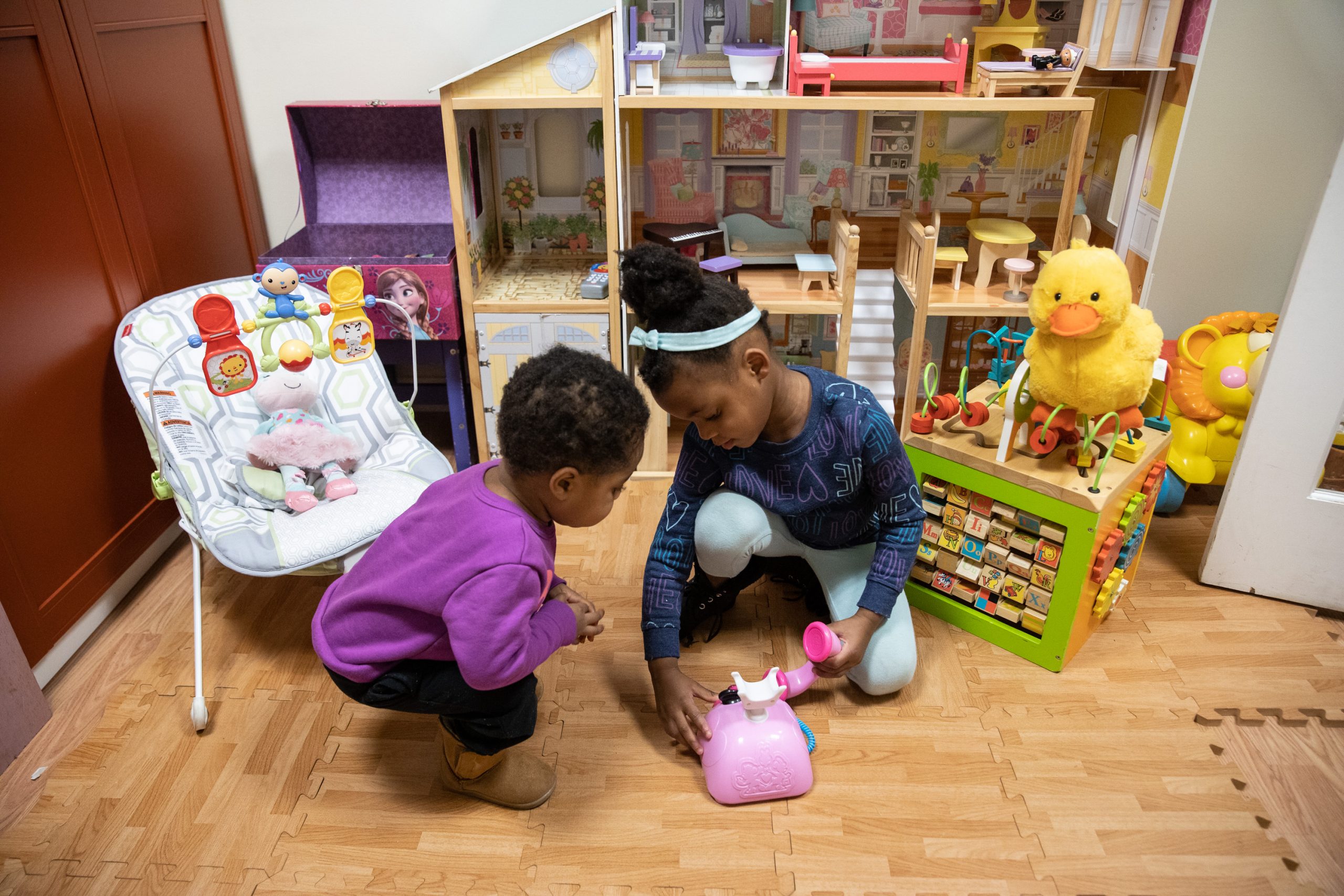
This is a crisis pregnancy center, which helps vulnerable women through their pregnancy, labor, and delivery when they are considering abortion. But as you can see it’s much more than that. We could call it a comprehensive suite of social services, which would be accurate. But we could also call it a community.
I use that word because the past couple of years have shown me that one of the leading indicators of social health is the strength of community. Parents are more likely to get married and less likely to get divorced when they are immersed in a tight-knit community. Drug addiction, gang membership, and extremism can be understood as ways people without strong communities seek connection and purpose. Homelessness, poverty, dropping out of the workforce — so many of these maladies are less common among those who belong to little platoons and are enmeshed in webs of civil society.
Abortion is another social evil resulting from alienation. Most women who choose to abort their unborn children would choose life if their circumstances were different, I believe. Pro-lifers need to work to make circumstances different for every pregnant woman considering abortion because of hardship.
The material needs, of course, need to be met. Expectant mothers need medical care, they need money, they need housing, they need food. Those who choose to raise their children need cribs, diapers, money, and childcare.
But we should think of these material needs as part of a bigger picture. If you have children, think of how you have gotten what you need. Many of the baby needs you got (a changing table, a diaper pail, onesies) probably came as gifts from a baby shower. Much of what you needed was wisdom and advice from your mother, your older sister, your neighbor. You may have relied on in-laws or next-door neighbors for free babysitting, especially in a pinch.
And as you accepted all this help, you knew it was given in love and in admiration for what you were undertaking. Women who can expect this help are more likely to choose life.
Mothers who will give up their child for adoption also need mentoring, advice, counseling, support, and medical care. All of these things come easier for those enmeshed in community.
So read about Mary’s Shelter: “‘They had open arms,’ Anna, a U.S.-born 20-year-old who spent most of her life in Pakistan, said of Mary’s Shelter staff. As she cradled her six-month-old son, Anna said that she found herself overwhelmed when her parents kicked her out because she had violated their Muslim faith by getting pregnant outside of marriage. When she arrived at Mary’s Shelter, she recalled the assurances they gave her: that things would be all right, that they would help her, and that she wouldn’t be alone.”
And now ask: Why doesn’t every sizable church congregation do something like this — find one home in the area and turn it into a shelter? Invite the women to church, of course, but also to family dinners on Sundays. Offer up teenagers to babysit. Integrate these mothers into a community.
There will be complications and difficulties along the way, but there are already models such as Mary’s Shelter, which have learned from experience. The more such places we have, the more experiments we will have in what works and what doesn’t. And if we do this a lot, we will change hearts and minds — including our own.
