

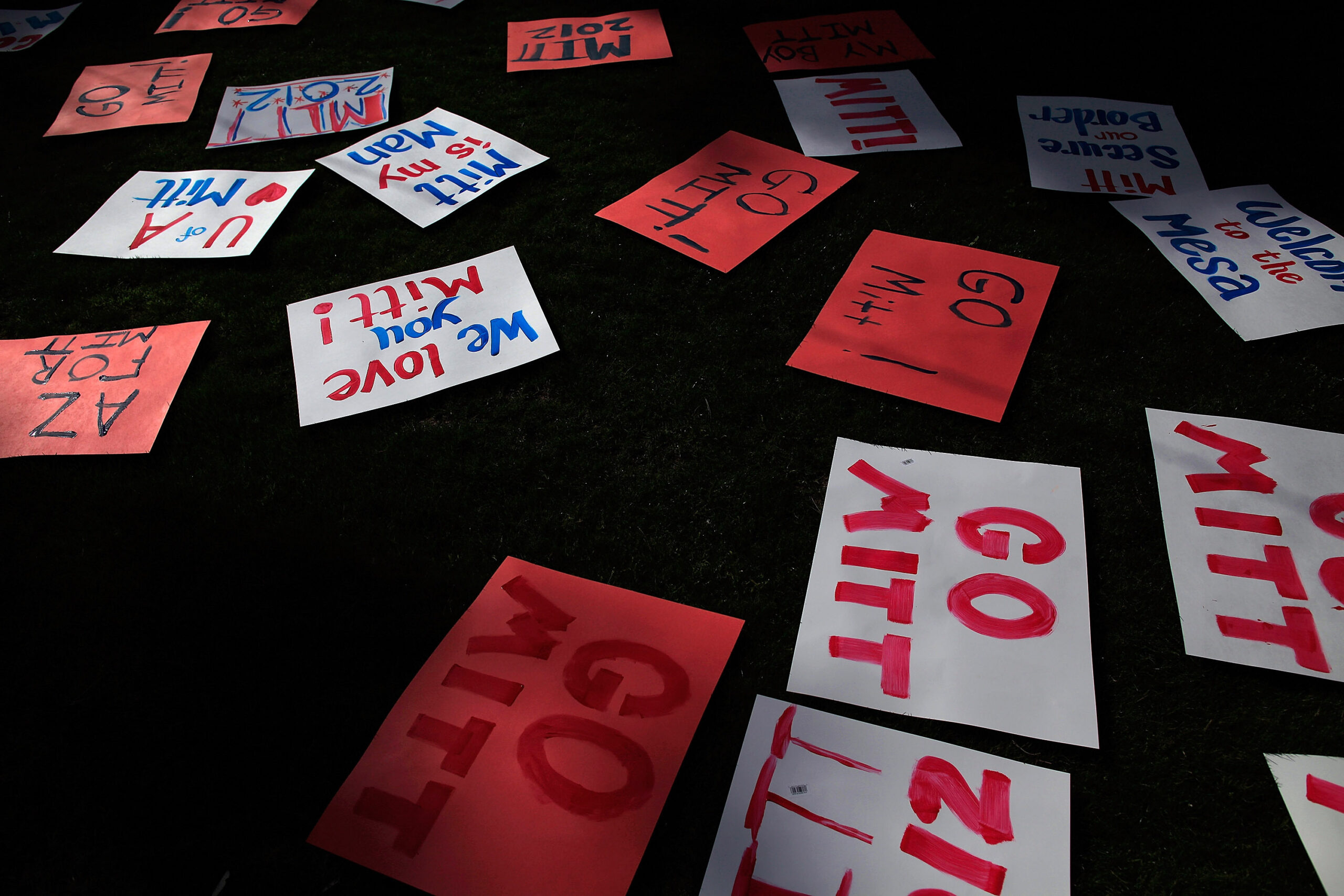
The Obama and Romney campaigns’ attack-ad spending is soaring as they heighten their focus on the battleground states this fall. With less than three months before November, both candidates have minimal time to alter perceptions and voting preferences. While the medi debates the effectiveness of the ad war, the polls still show a dead heat.
That should tell us something. Attack ads won’t win this election for either side. The game changer this election season will be each campaign’s ground game. In the gubernatorial race in Wisconsin, which was about as heated a campaign as you could imagine, Gov. Scott Walker did not prevail because of his attack ads. Rather, it was the grassroots efforts that mobilized the Tea Party to get voters to the polls that beat the union-backed recall effort.
Recommended Stories


Attack ads help voters make a decision, but they aren’t a substitute for well-organized, on-the-ground efforts to get out the vote. Harry S. Truman famously said, “Decisions are made by those who show up.”
More than 1 million voters showed up at the polls in the recent runoff election that led to the victory of Tea Party favorite Ted Cruz, R-Texas. This may be the most significant victory in history for the Tea Party. Unlike the Wisconsin election, where Walker outspent his opponent, Cruz was an underfunded underdog, outspent by David Dewhurst, R-Texas, by a 3-to-1 margin. That didn’t stop the Tea Party from employing the bottom-up energy necessary to win. The winning factor in this election was the Cruz campaign’s reliance on phone banking, knocking on doors, rallying persuadable supporters, making media appearances and accumulating meaningful endorsements — all the factors that go into a good ground game.
Similarly in Indiana, groups like FreedomWorks, Club For Growth and American Action Network led the effort to unseat incumbent Republican Sen. Dick Lugar and replace him with Tea Party favorite Richard Mourdock. This race parallels the Cruz vs. Dewhurst race because Lugar also outspent Mourdock by a 3-to-1 margin. Mourdock overcame this, again, by mobilizing the grassroots.
Lessons from these races are crucial for the Obama and Romney campaigns. While the media have focused on fundraising dollars, the story of who has been employing the better grassroots ground game is yet unwritten. Groups like the Leadership Institute are ensuring that advocates have the resources necessary to learn these techniques. With fewer than 90 days to go before the election, LI has launched a “Voting is Not Enough” campaign, which targets 13 battleground states with get-out-the-vote and grassroots training programs.
Although training resources have been made available on both sides of the partisan aisle, success will be determined by who employs them most effectively. Will the Tea Party have as large an effect in November as it did in 2010? Can Democrats rely on their union allies to increase turnout in the cities? Will Occupy Wall Street get out the youth vote in important battlegrounds like Ohio?
No doubt, the next three months will be full of stories about who is winning the fundraising and ad wars. While these are important, the most crucial part of the campaign is how candidates are spending their money. Are they simply creating ads, or are they making phone calls, organizing drives and picking up their placards to get voters out in November? Attack ads may put the spotlight on a ten-second sound byte, but mobilized voters are who will determine the occupant of the White House in 2013.
Robert Arnakis is the Leadership Institute’s senior director of domestic and international programs.
