

The Federal Reserve is taking new steps to guard against again being caught by surprise by threats to the financial system.
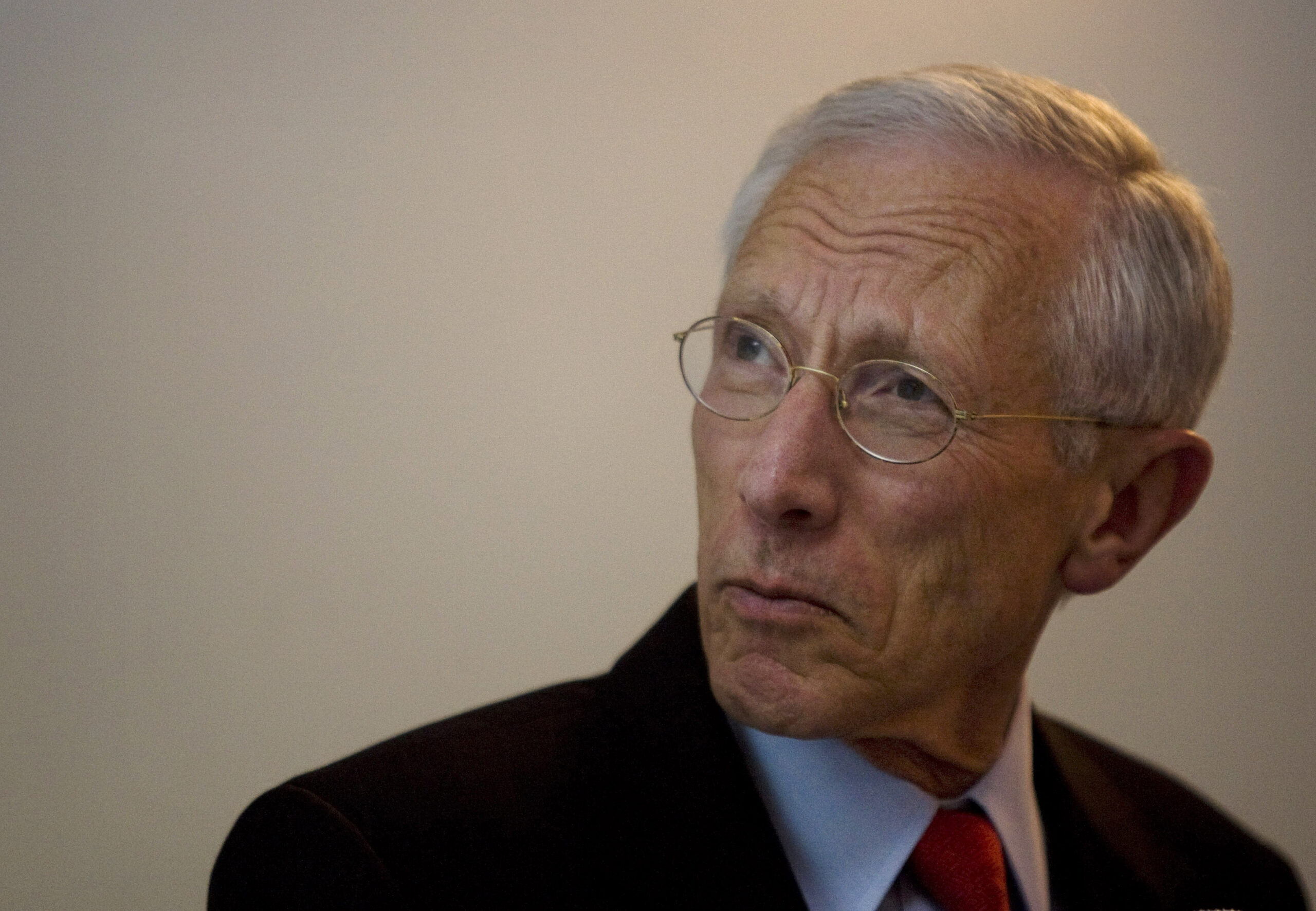
The central bank has created a new financial stability committee, led by its second in command, the newly installed former Bank of Israel governor Stanley Fischer.
The committee joins six other committees headed by Fed governors dedicated to specific areas of concern, according to a Federal Reserve spokesman. It will include governor Daniel Tarullo, the Fed official most involved in bank regulation, and Lael Brainard, a former Obama Treasury official also new to the Fed.
Recommended Stories
The Wall Street Journal first reported Friday that the committee would be formed to identify threats to the financial system and economy, such as asset bubbles.
The Fed already had a committee on bank supervision, headed by Tarullo, and one on financial monitoring and research.
The federal financial regulatory bureaucracy also includes one entity dedicated to identifying overall systemic risks, namely the Financial Stability Oversight Council. The FSOC, as it’s known, is run by Treasury Secretary Jack Lew and comprises the heads of the other regulator agencies, including Fed Chairwoman Janet Yellen.
Because there are two unfilled positions on the seven-member Fed Board of Governors, some of the five governors pull double-duty running the existing committees. President Obama has not named candidates for the two open spots.
Obama also hasn’t nominated a candidate for vice chairman for supervision, a position created by the 2010 Dodd-Frank financial reform law to consolidate oversight of banks. Yellen has acknowledged that Tarullo serves as the de facto vice chairman of supervision.
Fed officials have expressed concern about the possibility of a bubble in assets arising amid its efforts to stimulate the economy through large-scale bond purchases and keeping interest rates near zero.
Nevertheless, Yellen has said that she would raise interest rates to prevent a bubble from forming only in dire circumstances, and would rather leave the role of preventing such bubbles to the Fed’s regulatory tools. In July, she even suggested that she wouldn’t have raised rates to cool down the housing market before the subprime crisis in 2008.
