

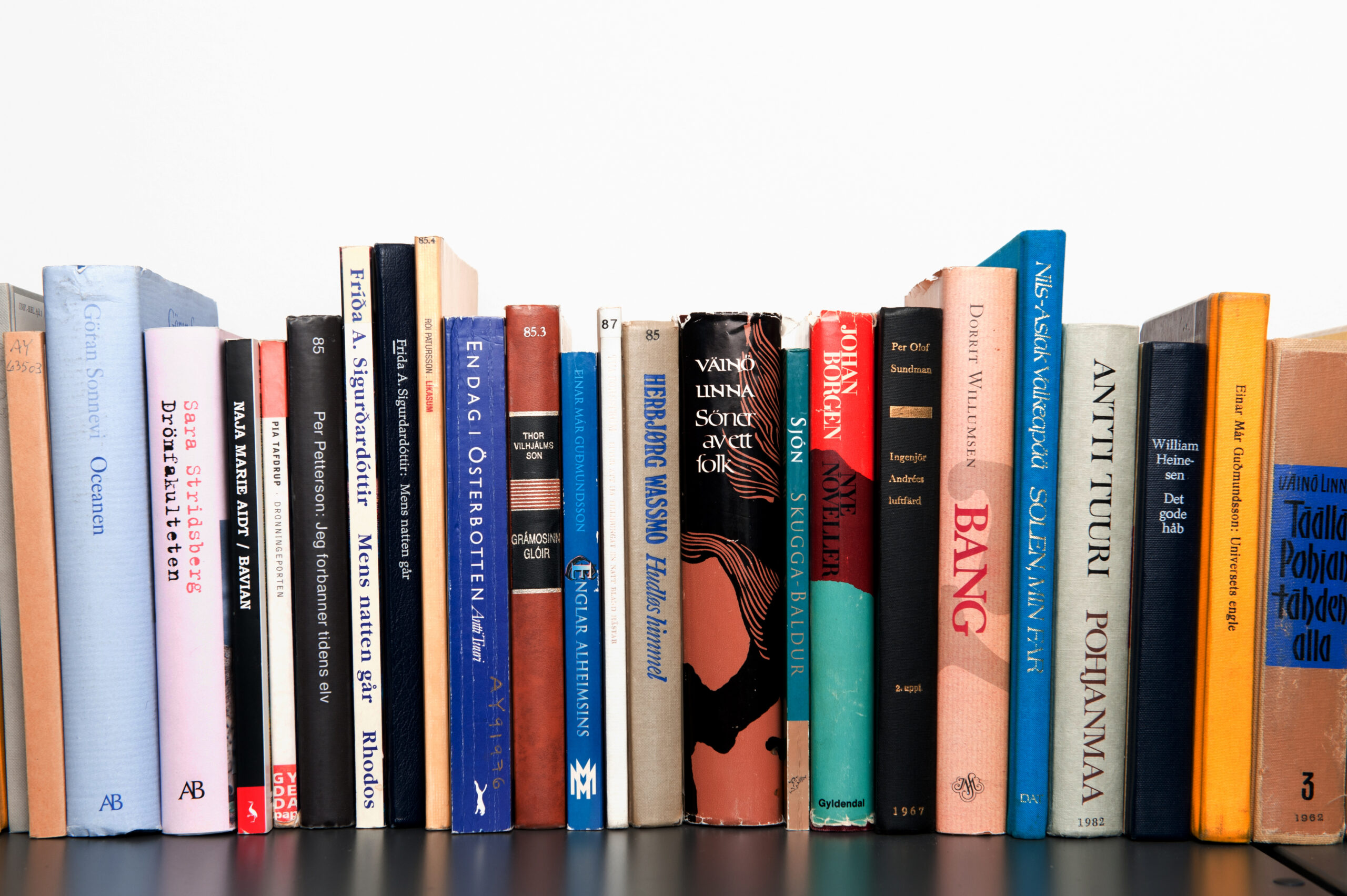
Have you heard the news? The liberal arts, whose study antedates that old peripatetic from Stagira, are in jeopardy. In fact, they are in such a weakened state that public intellectuals are busy writing books with titles like In Defense of a Liberal Education, as if the study of man and man’s place in the cosmos are in real danger of disappearing. Nonetheless, as long as we continue to wonder about our world and ourselves, there will always be a place for liberal education. And in fact, the products of the liberal arts—your little Aristotle, Aquinas, and Austen—appear to be doing much better than advertised on the job market even while the content of their education is in decline.
Last year, the Association of American Colleges and Universities released a report on the earnings and long-term career paths of liberal arts students entitled How Liberal Arts and Science Majors Fare in Employment. The study, authored by Debra Humphreys and Patrick Kelly, serves as a nice counterpoint to the gloom and doom reports so faithfully parroted by the media and major presidential candidates.
Recommended Stories

Three conclusions are worth remark. First, liberal arts majors close the earning gaps—and in fact make about $2,000 more—than students majoring in the professional and pre-professional majors (e.g. nursing or business) by the time they reach peak earning ages (56-60 years). Second, the already low unemployment rates for liberal arts majors declines over time and is just .04 percent higher than professional and pre-professional majors when both groups hit mature work age (41-50 years). Third, and potentially most impactful for the well-being of our country, liberal arts majors are overrepresented in the social services professions. The top five professions humanities and social sciences students gravitate toward are elementary and middle school teachers; lawyers, judges, magistrates, and other judicial workers; miscellaneous managers; post-secondary teachers; and chief executives and legislators. Coming in at number eleven (and absent from the top-20 lists of non-liberal arts majors) is the clergy. Now, no serious person calls into question the need for Silicon Valley to keep computing, Wall Street to keep crunching, or Houston to keep pumping, but if we do nothing to encourage civic-mindedness, America will have as bright a future as the wisdom of our technocrats allow.
