

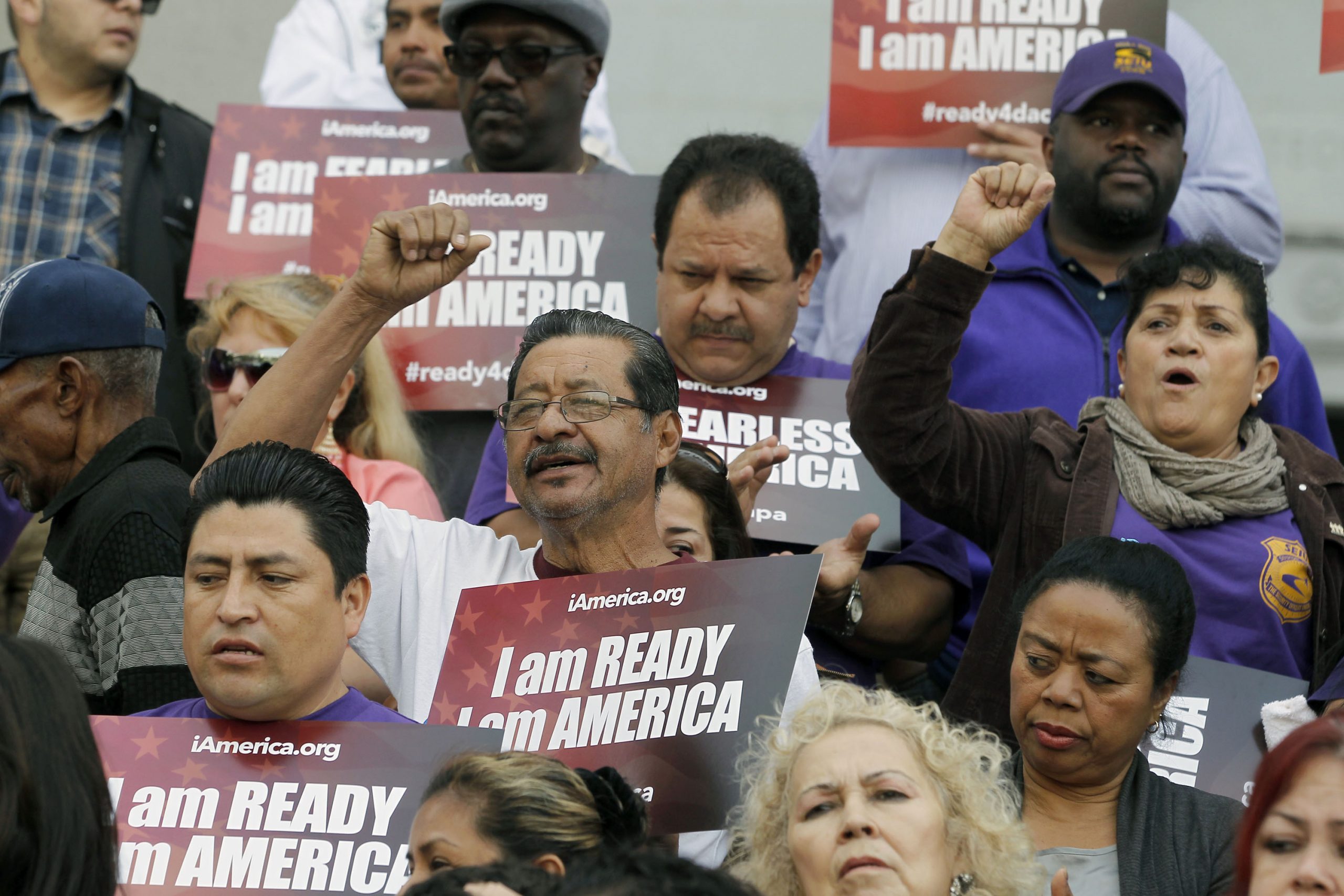
Democrats in upcoming elections are likely to get a lift from President Obama’s illegal immigrant amnesty plan as more U.S. born children to undocumented migrants allowed to stay in America reach voting age, according to a new report released Thursday.
The Center for American Progress estimated that 1.5 million children and relatives of illegals who are U.S. citizens will join the ranks of voters next year and that will nearly double by the 2020 elections, likely helping Hillary Clinton if she is the nominee and Senate Democrats attempting to take control of the chamber because they are pushing pro-immigrant policies.
Recommended Stories


“A candidate’s position on immigration broadly, or executive action specifically, speaks to how that candidate proposes to treat the family members of real voters,” said the report on the impact of Obama’s Deferred Action for Parents of Americans and Lawful Permanent Residents, or DAPA, that would block deportation of 3.5 million parents legal U.S. children and give them work permits.
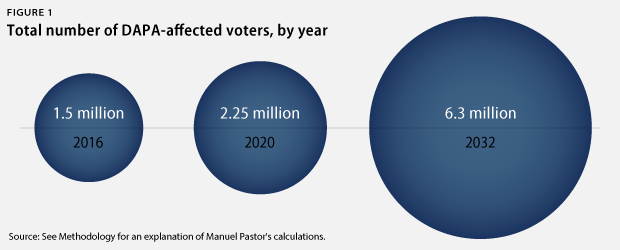
“DAPA-affected voters have the potential to exert significant influence on elections in the years to come,” said the report.
The program and the related Deferred Action for Childhood Arrivals currently face legal challenges but are a rallying cry for illegals, immigrant support groups and children of illegals who are U.S. citizens because they were born in the country.
The report provided a state-by-state breakdown of the emerging DAPA-related voters and found that as immigration reform becomes important they will have greater voting influence. It suggested that in three key battleground states won by Mitt Romney in 2012 the new voters could provide a margin of victory.
“Because elections depend on voter turnout and party preference, the large number of voters in key battleground states who have a strong personal interest in a candidate’s position with respect to DAPA could have an important impact on upcoming elections,” said the report.
“Moreover, depending upon when and whether DAPA implementation begins, the next president may have the power to either extend or terminate the initiative or to explore alternatives to DAPA that similarly offer families temporary protection from separation. This growing segment of the electorate—critical for both parties—is likely to be watching carefully how candidates from both parties talk about DAPA and the issue of immigration more broadly,” it added.
Paul Bedard, the Washington Examiner’s “Washington Secrets” columnist, can be contacted at [email protected].
