

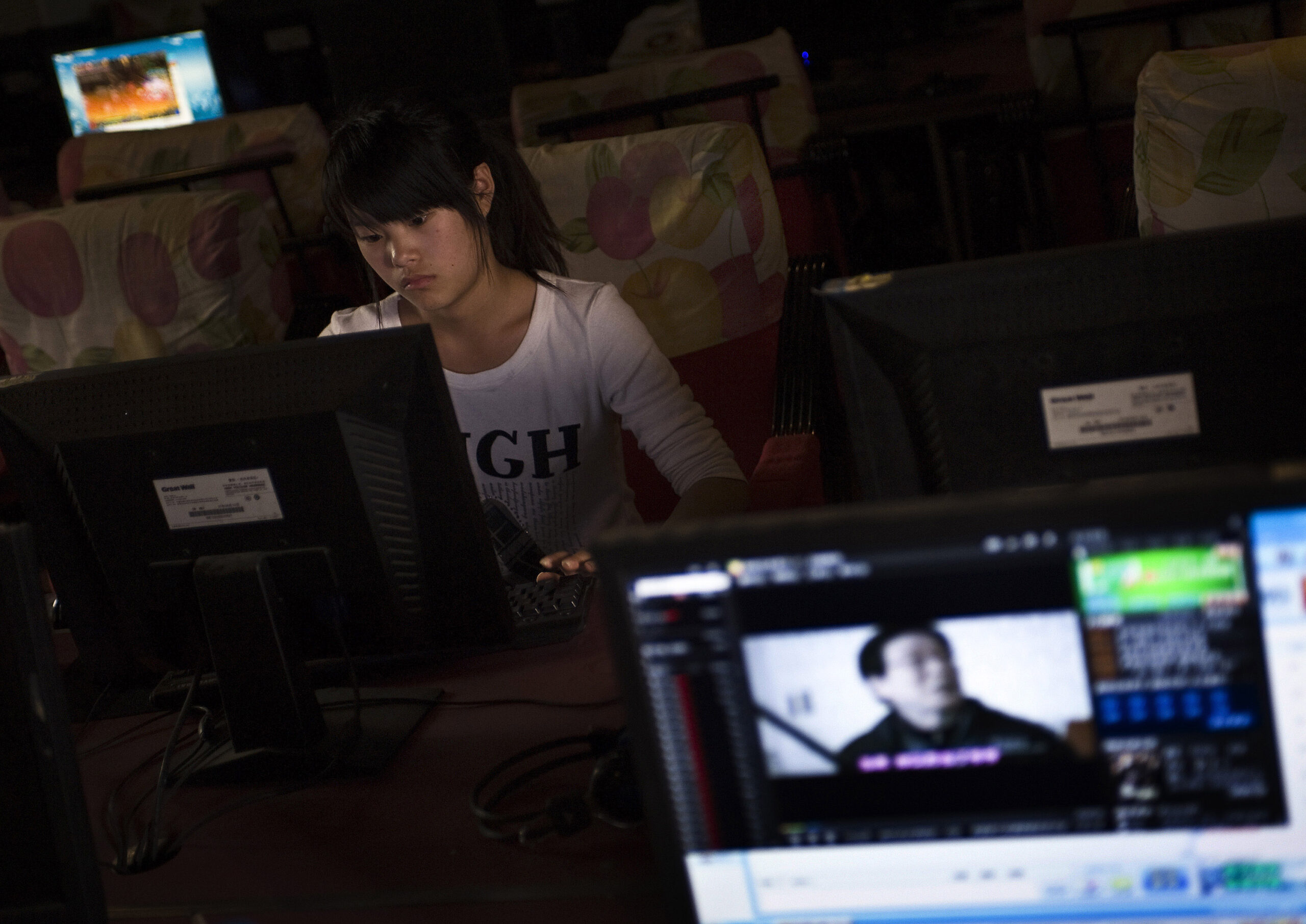
United States officials returned from China on Monday full of optimistic rhetoric on intellectual property rights protection, but short on details.
“We obtained firm commitments from China in the areas of competition law, intellectual property protection, standards setting, and environmental conservation that will level the playing field for our companies in China,” U.S. Trade Representative Michael Froman said in a statement following a meeting of the U.S.-China Joint Commission on Commerce and Trade.
Recommended Stories


A statement from the U.S. Department of Commerce reiterated the progress that had been made with respect to intellectual property rights, saying, “China clarified several ongoing and intended efforts to revise China’s trade secrets system and provide more effective aspects of its civil judicial system to deter and respond to the misappropriation of trade secrets.”
But it remains to be seen if clarification on China’s “intended efforts” is enough for critics who want to see the U.S. take more action to reduce IPR losses and the theft of trade secrets in China. On Tuesday, the Senate Judiciary Committee scheduled a Dec. 2 hearing to address trade theft.
Sen. Orrin Hatch, R-Utah, has proposed the “Defend Trade Secrets Act” with Sen. Chris Coons, D-Del., a bill that would make it easier for courts to take action against foreign companies judged to be engaged in such theft.
In September, the U.S. reached a bilateral agreement with China to refrain from engaging in commercial espionage. But preliminary reports from cybersecurity firms like CrowdStrike and FireEye suggest that China’s government is still backing the activity. Nonetheless, the Obama administration has been aggressive in pushing a more optimistic line, a fact illustrated again this week by the statements coming out of the JCCT.
In addition to discussing the theft of trade secrets, Froman said, the countries discussed regulations China has considered that would restrict the country’s banks from purchasing U.S. information technology unless the government is given access to source codes. Froman indicated that after a year of talks, the U.S. has secured the status quo.
“We concluded a year of intensive engagement around proposed measures in the banking sector, by confirming that banks in China are free to resume purchasing information and communication technology (ICT) products of their choosing,” Froman said. “While more needs to be done, we achieved significant outcomes that will benefit and help level the playing field for American businesses in China and promote the growth of China’s own innovation economy.”
William Reinsch, the chairman of the U.S.-China Economic and Security Review Commission, suggested that the words coming out of the JCCT meeting need to be followed by action.
“This is one of those stories of watch what we do, not what we say,” Reinsch told the Washington Examiner. “They said the right thing.”
“They also said … we’re going to give people time to read it and review it and comment on it. it’s going to go through a process. Which is fine. We always like to see a process where people can comment,” he said.
“But the key question at the end will be what the regulation will say. I don’t have 100 percent confidence it will be benign until it shows up and we get a chance to read it,” Reinsch added.
Reinsch’s commission was created by Congress in 2000 to produce an annual report on the economic and security implications of policies between the U.S. and China. It generally advises the U.S. take a more hardline approach than the one taken by the Obama administration.
Related Story: http://vip-stage.washingtonexaminer.com/article/2575964
The JCCT trip to China is the second by U.S. officials this month, following one led by Deputy Homeland Security Secretary Alejandro Mayorkas. The meetings are leading up to a Dec. 1-2 ministerial dialogue to be held in Washington, D.C., to review progress that has been made following the September agreement.
