

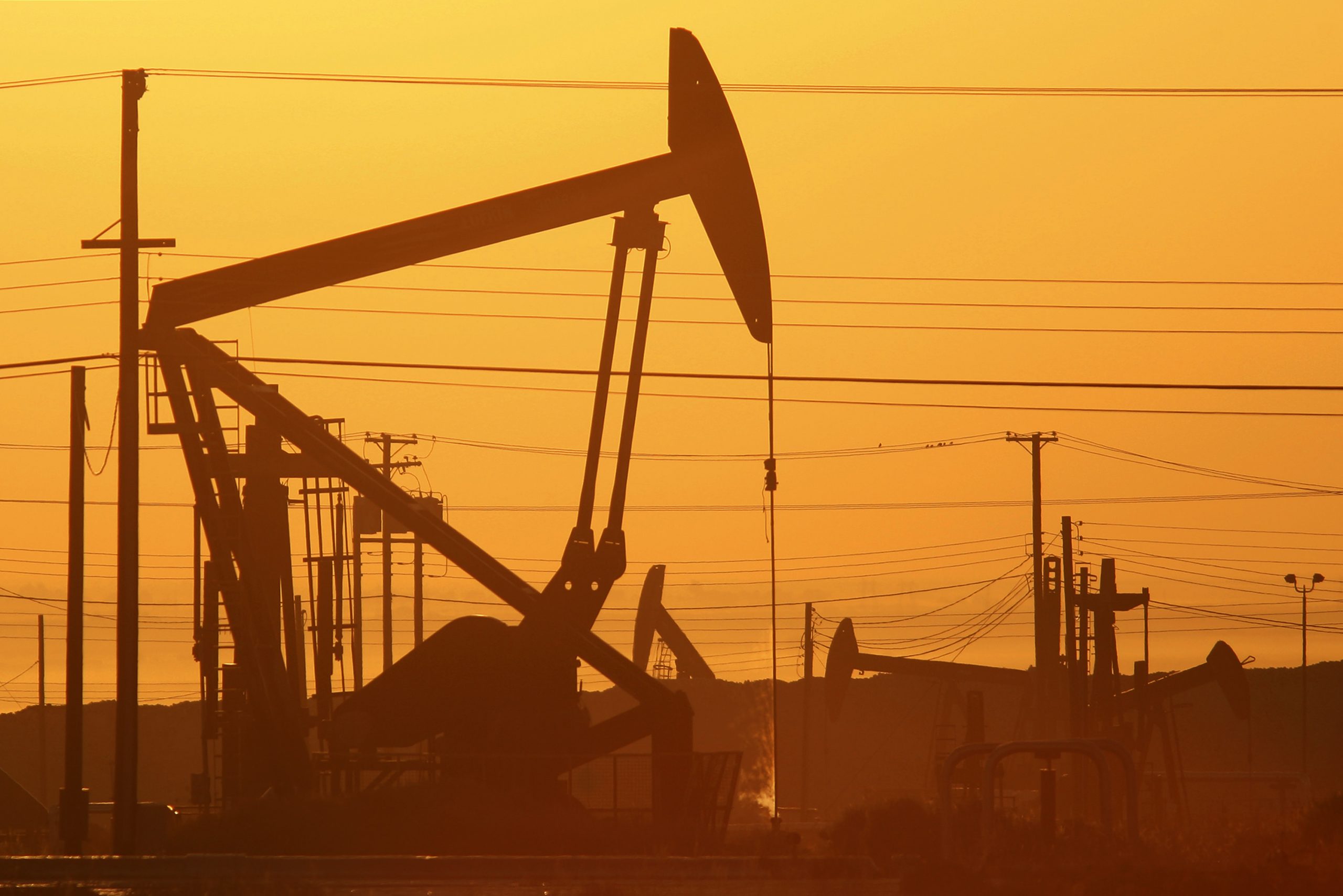
The Obama administration announced proposed rules Tuesday that target methane emissions from oil and gas wells that use hydraulic fracturing, or fracking, to produce fossil fuels.
Environmental Protection Agency Administrator Gina McCarthy said the rules are part of President Obama’s Climate Action Plan to fight what he considers the growing threat posed by global warming.
Recommended Stories


“Today, through our cost-effective proposed standards, we are underscoring our commitment to reducing the pollution fueling climate change and protecting public health while supporting responsible energy development, transparency and accountability,” McCarthy said.
Methane is a potent greenhouse gas that traps heat at a rate 25 times greater than carbon dioxide. It accounts for nearly 10 percent of U.S. emissions and is the biggest unregulated greenhouse gas in the country. Of that total, 30 percent of emissions come from the oil and gas sector, the White House has said.
McCarthy notes that the methane rules for the oil and gas sector would help augment the steps taken in the agency’s landmark Aug. 3 Clean Power Plan for the electricity sector. The rules place states on the hook for emission reductions and are expected to be challenged in federal court.
McCarthy anticipates more natural gas being used to meet the emission standards for the electric sector and wants to make sure the entire gas supply chain is working to reduce emissions with the electric sector.
“Cleaner-burning energy sources like natural gas are key compliance options for our Clean Power Plan and we are committed to ensuring safe and responsible production that supports a robust clean energy economy,” the EPA administrator said.
The methane regulations seek to update previous standards put in place for natural gas wells in 2012 by including new oil wells. The rules seek to reduce methane emissions from the oil and gas sector “by 40 to 45 percent from 2012 levels by 2025.”
But EPA air chief Janet McCabe clarified on a call with reporters that the EPA proposes to reach the 40-45 percent goal through a combination of regulations. She said the goal would be achieved when combined with other regulations from related agencies such as the Department of Interior.
Tuesday’s “proposed standards for new and modified sources [of emissions] are expected to reduce 340,000 to 400,000 short tons of methane in 2025, the equivalent of reducing 7.7 to 9 million metric tons of carbon dioxide,” the EPA said.
Many climate scientists say greenhouse gas emissions from man-made sources are causing the climate to warm faster than it would naturally, resulting in more severe weather, droughts and flooding.
The cost of the benefits to the climate are estimated to be $120 to $150 million in 2025, the EPA says.
The rules are also expected to reduce a number of ozone-forming pollutants, known as volatile organic compounds, by 170,000 to 180,000 tons by 2025. They also would eliminate 1,900 to 2,500 tons of toxic pollutants, such as benzene, toluene, ethylbenzene and xylene.
The EPA points out that ozone, in particular, “is linked to a variety of serious public health effects, including reduced lung function, asthma attacks, asthma development, emergency room visits and hospital admissions, and early death from respiratory and cardiovascular causes.”
The toxic air pollutants include chemicals that are “known or suspected to cause cancer and other serious health effects,” the EPA says.
