

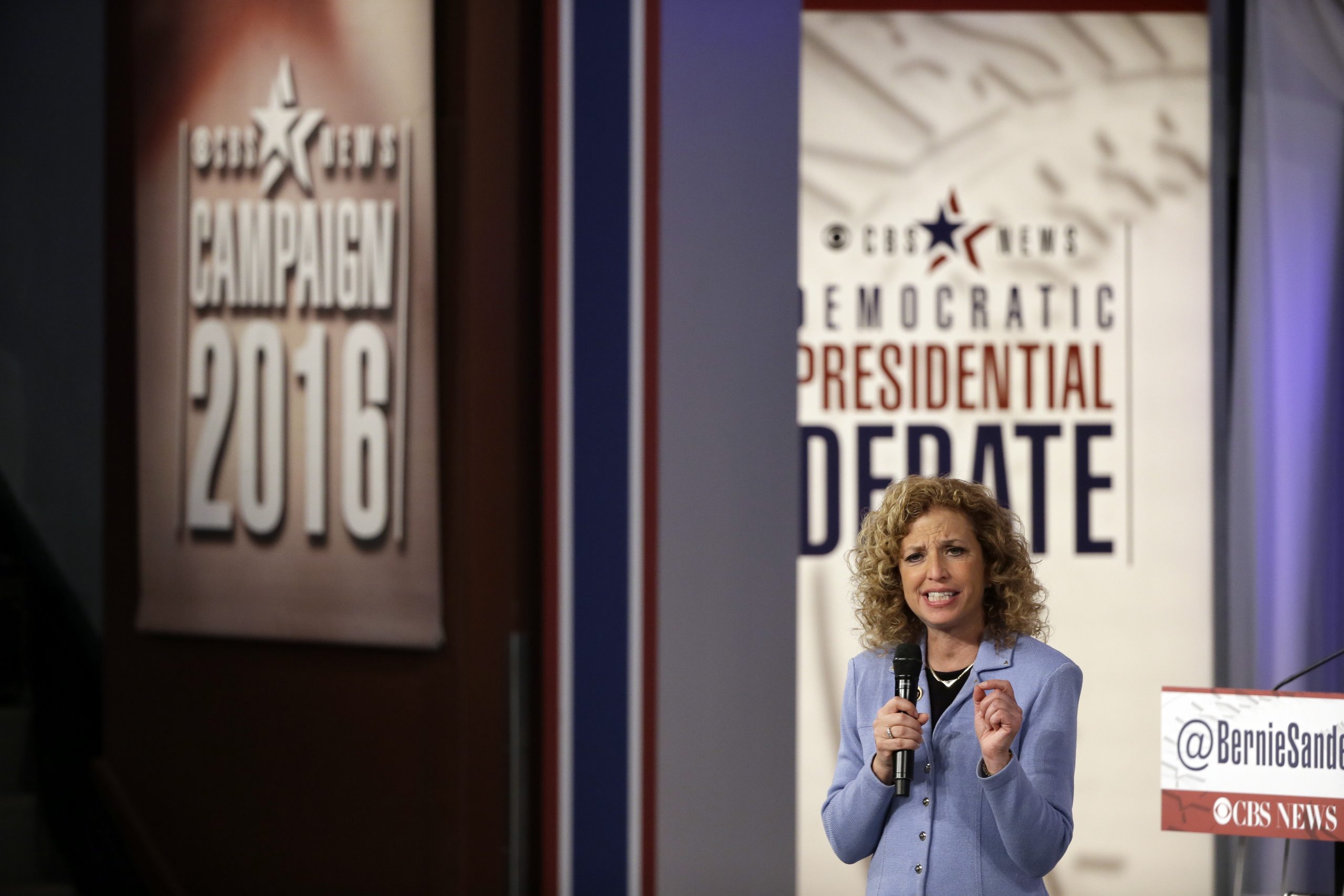
The Democrats know they will have a problem at the polls next November if they don’t change something.
Recommended Stories


Democratic National Committee leaders presented their “Victory Task Force” final report and action plan to increase ballot participation and help their party win at the polls in November 2016 during a meeting Tuesday morning at the DNC headquarters.
In the two midterm elections since President Obama took office in 2009, the Democrats have lost numerous governors races as well as House and Senate seats to the GOP. Many have criticized the president for not investing more in state races.
“Democrats treat it sometimes like cicadas and come out every four years. We need to treat it like the World Series about come out every year,” DNC vice chair Donna Brazille said.
Chairwoman Debbie Wasserman Schultz, Brazille and other Task Force members stressed the importance of upping voter turnout, claiming that in 2014, African-Americans, Hispanics and women were less likely to be at the polls.
“The people have the same priorities as the Democratic Party do,” DNC Task Force member Governor Steve Beshar said. “By and large its our inability to communicate those priorities that hurt us.”
The DNC’s Maria Cardona also emphasized the importance of mobilizing as many people to get to the polls as possible, claiming that “when the majority comes out Democrats will win up and down the ballot” because they represent “mainstream American values.”
Explaining that the “divisive” rhetoric coming from the GOP hurts the fairness of elections, Cordona said that “the Democrats continually think that what the Republicans were trying to do is to diminish people’s voices who want to get out and have their voices heard.”
“You can see when voters turn out how they embrace our agenda,” Wasserman Schultz added.
Although the report distributed on Tuesday was due in May, the chairwoman responded that the Democrats “simply weren’t ready in May.” The delayed report recommends that the democrats focus on strengthening their message to voters, creating closer national-state party partnerships and implanting new redistricting, building up future candidates in addition to expanding voting access.
“We didn’t experience these loses over night and were not going to climb out of this overnight,” Wasserman Schultz said. “So that’s why we are institutionalizing these reforms and modernizing the way the DNC functions.”
